
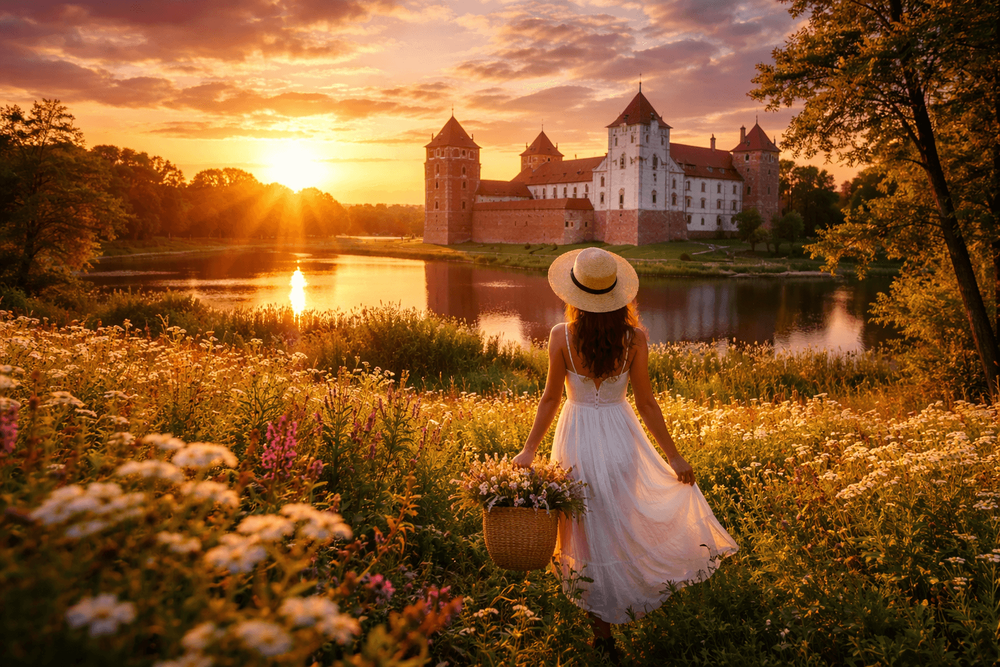
When to Visit Belarus: Best Months for Weather, Wildlife, Festivals & Low‑Season Travel
Seasons in color: from May’s lilacs to January’s snow hush, discover the best time to visit Belarus for weather, wildlife, festivals, and value.
Mood
Seasonal Explorer
A pale mist lifts from the Pripyat River as sandpipers stitch the water’s edge and birch trunks glow like porcelain. In Belovezhskaya Pushcha, frost feathers the pines while a European bison ghosts through the undergrowth. Somewhere in Minsk, a cafe door swings open to spill the warmth of fresh-baked draniki and the hum of late-spring chatter onto the street. If you’re weighing the best time to visit Belarus, think in textures and light: the gleam of summer lakes, the copper blaze of October birch, the hush of blue-white winter.
Best Time to Visit Belarus: A Seasonal Overview
Belarus lies in the temperate-continental heart of Eastern Europe. Winters are cold, summers mild to warm, and the in-between seasons offer long twilights, birdsong, and—occasionally—mud from the thaw. Expect average annual precipitation around 600–700 mm, with summer thunderstorms and relatively drier late winter. Daylight is dramatic: 7–8 hours in December; up to 17 hours near the June solstice.
Bradt Belarus (Bradt Travel Guides): Roberts, Nigel
Dass auch die Darstellung der Geschichte von Belarus reichlich holzschnittartig und angelesen daherkommt, fällt gegenüber weniger ins Gewicht. So ist dem sympathischen Autor Nigel Roberts für die näch
Check Price on AmazonMarch–April: Thaw and first flights
- Feel: The country exhales winter. Snow retreats to the shade, rivers swell, larks and cranes return, and forests smell of wet earth and resin.
- Typical temps: 2–12°C (36–54°F) by late April; nights can still freeze in March.
- Rain/Daylight: Showers and slush are common; 11–14 hours of daylight by month’s end.
- Trip notes: A transitional window—boots beat sneakers. Early migrants congregate along the Pripyat floodplain; paths in Polesie can be boggy.
May: Blossom and easy warmth
- Feel: Lilacs and apple blossom, café terraces, and forests knitted with spring green.
- Typical temps: 15–20°C (59–68°F); cool nights.
- Rain/Daylight: Intermittent showers; ~15–16 hours of light.
- Trip notes: A refined choice for city breaks and gentle hikes; ticks awaken in woodlands—pack repellent.
June: Long days, Kupalle fires
- Feel: Velvet evenings and rivers that hold the day’s heat. Kupalle (Ivan Kupala Night) festivities around late June bring flower wreaths, bonfires, and folk songs.
- Typical temps: 20–24°C (68–75°F).
- Rain/Daylight: Peak daylight (up to ~17 hours). Occasional thunderstorms.
- Trip notes: Lakes are swimmable for the hardy. Mosquitoes abound near wetlands; bring long sleeves.
July: Warmth and festival season
- Feel: Meadows humming, lakes glassy at dawn, music on summer squares. Vitebsk hosts the Slavianski Bazaar, a major arts and music festival.
- Typical temps: 22–26°C (72–79°F), sometimes a few hotter days.
- Rain/Daylight: Sun with short, dramatic storms.
- Trip notes: Prime for cycling and paddling. Book popular stays early in Minsk and national parks. A timeless city base, the Hotel Europe, Minsk marries Belle Époque flourishes with a pool for post-sightseeing cool-downs.
August: Harvest light and clear rivers
- Feel: Honeyed evenings, raptors circling hayfields, early mushrooms pushing through mossy duff.
- Typical temps: 20–24°C (68–75°F).
- Rain/Daylight: Stable, slightly drier; ~14 hours of light mid-month.
- Trip notes: Superb for forests, quiet lakes, and family paddles. Foraging begins; always respect local guidelines.
September: Birch gold and mild days
- Feel: The country softens into amber. Vineyards are scarce, but orchards and kitchen gardens brim with apples and late berries. Minsk Half Marathon typically lands this month.
- Typical temps: 14–19°C (57–66°F).
- Rain/Daylight: Crisp, often clear; 12–13 hours of light.
- Trip notes: A photographer’s dream across castles and river towns. In Grodno, the park-framed Kronon Park Hotel, Grodno makes an elegant, quiet base for leaf-peeping and day trips.
October: Peak foliage
- Feel: A blaze of gold and copper across birch, oak, and maple; mushrooms and cranberries at their fullest.
- Typical temps: 7–12°C (45–54°F).
- Rain/Daylight: Some misty mornings; ~10–11 hours of light.
- Trip notes: Excellent for castle-hopping and forest walks. Layers are key.
November: First snow and silver skies
- Feel: A monochrome palette—fog over rivers, bare orchards, frost in the grasses.
- Typical temps: 0–5°C (32–41°F).
- Rain/Daylight: Light snow or drizzle; ~9 hours of light.
- Trip notes: Quiet museums, low hotel rates, and contemplative city time.
December–February: Winter hush and candlelight
- Feel: Snowpack in forests, ice-rimmed lakes, Orthodox and Catholic holiday lights, and the comfort of banya steam.
- Typical temps: -2 to -8°C (28–18°F), with colder snaps possible, especially in January.
- Snow/Daylight: Reliable snow in parks; 7–8 hours of daylight in December, lengthening to ~10 by February.
- Trip notes: Cross-country skiing and wildlife tracking are in their element. In Brest, the stately Hermitage Hotel, Brest offers warm, gracious refuge after snowy walks to the fortress and riverside parks.
When to Go by Interest
Outdoor nature: hiking, paddling, birding
- Best window: May through early October. Trails firm up by May; rivers are friendliest for paddling June–September.
- Highlights: Spring migration floods the Pripyat valley (April–May), while August–September bring crystal mornings and few insects beyond wetlands. In Belovezhskaya Pushcha, dawn and dusk wildlife drives are rewarding through summer; winter visibility actually improves for spotting bison against snow.
- Where to stay: Wilderness-minded travelers can pair national park time with sustainable stays featured in our guide to Eco-Friendly Hotels in Belarus: Green Stays from Minsk to the National Parks.
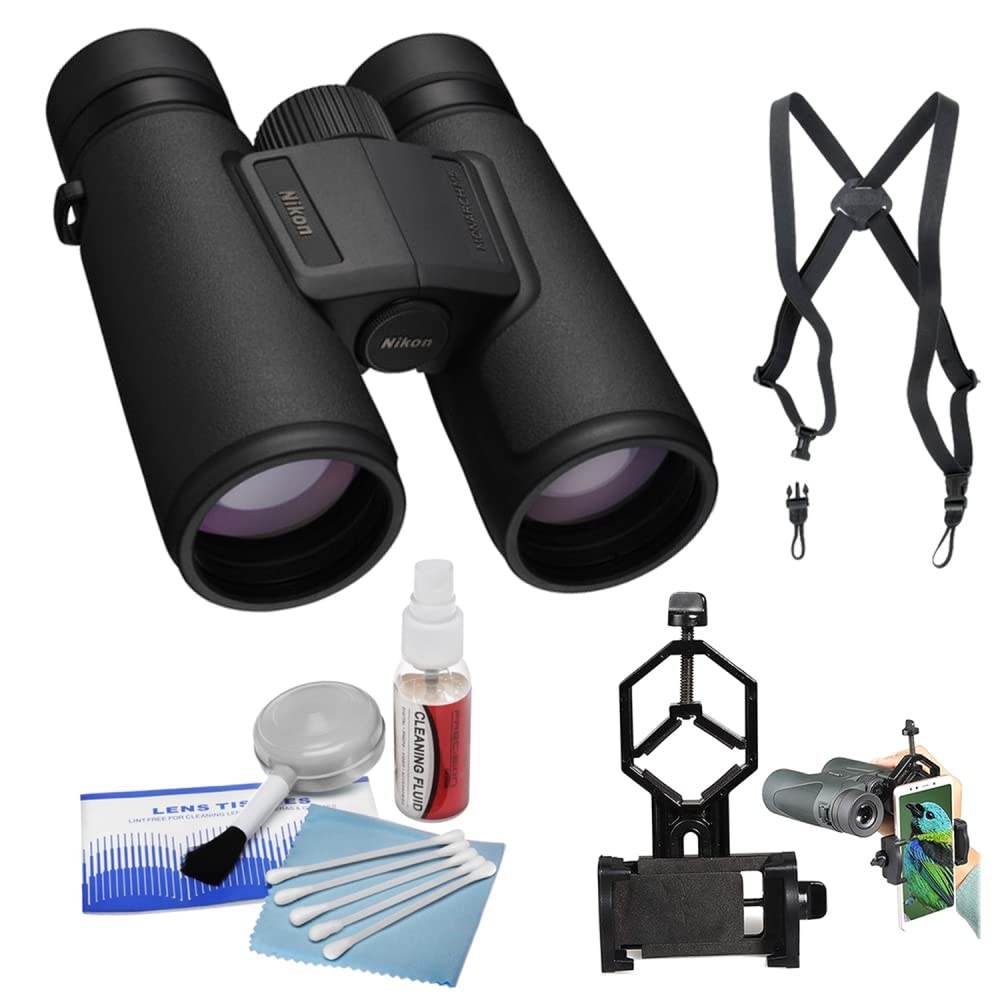
Nikon Monarch 5 8x42 Binoculars : Electronics
Nikon Monarch M5 8x42 (16767) Black Binoculars Bundle with Lens Pen and Lens Cloth, <strong>Compact Binoculars for Adults for Hunting, Bird Watching, and Hiking Essentials, Zoom Lightweight Travel</st
Check Price on AmazonWinter activities: skiing, skating, and snowy forests
- Best window: Late December through late February for the most reliable snowpack in parks and rural areas. January is the snow-surest.
- What to expect: Groomed cross-country trails near major towns, frozen lakes for skating (always check local advisories), and magical forest walks framed by hoarfrost. Banya sessions are a cultural essential after any cold-weather outing.
Cultural events and festivals
- Summer (June–August): Street concerts, open-air theater, and the Slavianski Bazaar in Vitebsk. Kupalle celebrations light up late June.
- Autumn (September–October): The Dozhinki harvest festival rotates cities, celebrating agriculture with parades and regional food. Museums and theaters launch new seasons.
- Winter (December–January): Holiday markets, choral concerts, and ice-sculpture displays in larger cities. Maslenitsa (late winter) brings pancakes, sledding, and folk pageantry.
- Spring (April–May): Church music festivals and memorial days such as Radunitsa shape the calendar and atmosphere.
- Planning help: If you’re building a culture-first itinerary, our overview of Authentic Cultural Experiences in Belarus: Traditions, Castles, and Contemporary Life maps meaningful encounters across the year.
Low-season and budget travel
- Best value: November and March for the deepest hotel deals and quiet city streets; late January to mid-February sees post-holiday dips as well.
- Conditions: Expect gray skies and short days, but crowd-free museums and restaurants that welcome lingering.
- Tip: Consider pairing Minsk with day trips to nearby castles and monuments—our guide to Belarus’ Must-See Landmarks: Castles, Memorials & Natural Wonders helps target the high points when daylight is limited.
Regional Timing Differences
Belarus’s compact geography hides subtle shifts in climate and peak seasons.
Minsk and the central uplands
- Climate: Moderately continental; summers warm but rarely scorching, winters cold with intermittent thaws.
- Best timing: May–June for blossom and long evenings; September–early October for golden parks and gentle light.
- Insider note: City stays shine year-round thanks to museums, cafes, and theaters. If you’re treating yourself, our roundup of the Best Luxury Hotels in Belarus — Top Places to Stay for Style, Service & Local Experiences highlights properties that make shoulder-season travel feel indulgent.
Brest region and Belovezhskaya Pushcha
- Climate: Slightly milder and drier than the north. Snow cover is common in winter, though thaws can occur.
- Wildlife timing: Bison are easiest to spot in winter (December–February) when they gather in open areas and at feeding stations; in summer, aim for dawn and dusk.
- Best seasons: May–June for birdsong and blooming meadows; September–October for glowing beech and oak; midwinter for snowy fairytales.
Grodno region and the Neman valley
- Climate: Western edge moderation; summer is wonderfully green, with reliable warmth.
- Best seasons: July–September for cycling river flats and castle visits in late-afternoon light; October for foliage around Old and New Grodno castles.
Polesie wetlands (Pripyatsky National Park and surrounds)
- Climate: Warmer in summer, cooler dampness in shoulder months; spring floods are defining.
- Bird migrations: Peak April–May and late August–September as the Pripyat floodplain becomes a runway for waders, terns, and raptors.
- Activities by water level: Spring brings high-water boat safaris; summer lowers levels for gentle paddles and riverside walks. Mosquitoes can be intense in June–July—plan dawn or late-day outings and cover up.
Foraging and seasonal flavors
- Blueberries and wild strawberries: Late June–July in sunlit forest edges.
- Chanterelles, boletes, and other mushrooms: July–October, peaking after warm rains.
- Cranberries and lingonberries: Late August–October in boggy lowlands.
- Honey: High summer; look for roadside jars from smallholders.
Practical Timing Tips for Belarus Travel
Packing with daylight and weather in mind
- Layers rule: Even in July, evenings can be cool; a light jacket is useful. In October–April, a thermal base layer, hat, and gloves make walks comfortable.
- Footwear: Waterproof boots for March–April thaws and Polesie trails; sturdy sneakers for summer city days.
- Light management: A sleep mask helps during luminous June nights; in winter, plan sightseeing to concentrate around the 10:00–15:30 daylight window.
- Nature kit: Insect repellent and tick checks from May–September; binoculars for wetlands year-round.
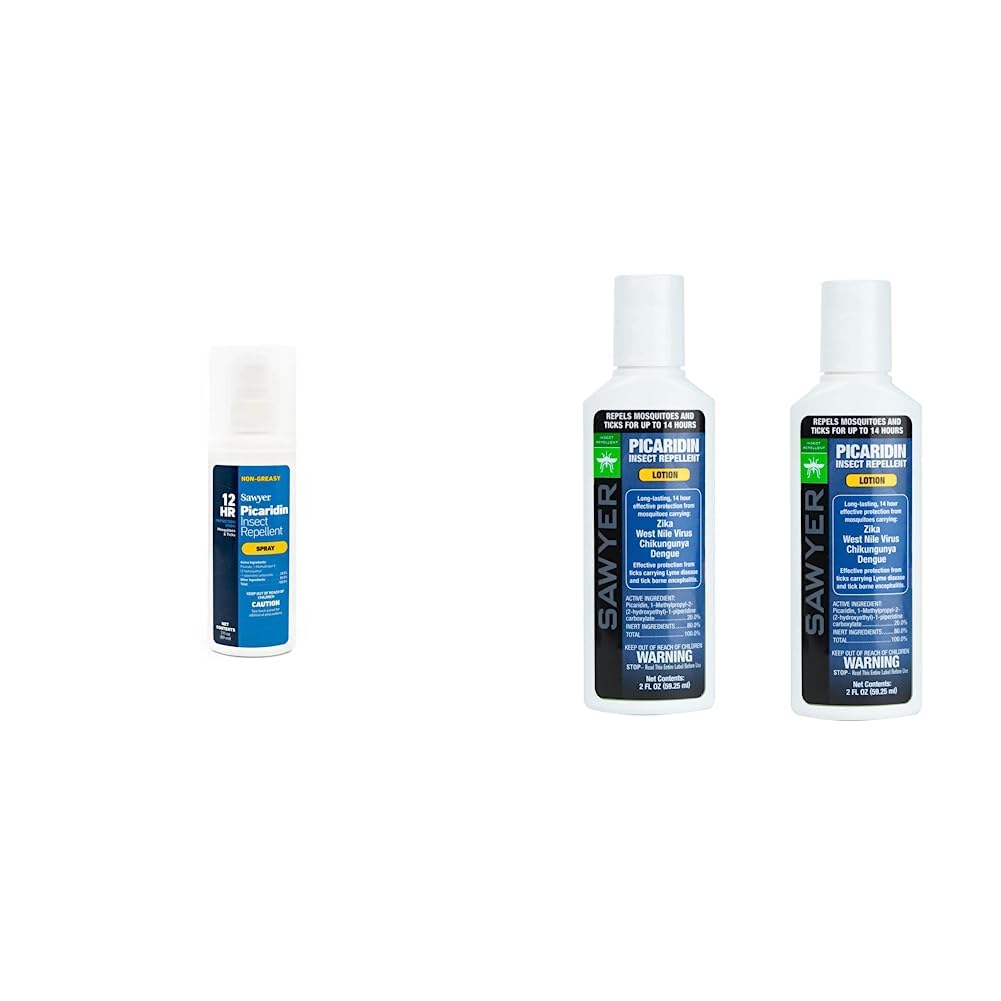
Sawyer Products SP5622 Picaridin Insect Repellent Lotion, 20% Picaridin, 2-Ounce, Twin Pack
View on AmazonTransport and road conditions by season
- Trains: Reliable in all seasons and ideal for intercity links like Minsk–Brest–Grodno–Vitebsk.
- Roads: Winter plows keep highways moving, but rural lanes can be slick; spring thaws (March) can leave unpaved tracks muddy.
- Cycling: May–September is the sweet spot; September offers crisp air and fewer storms.
- River travel: Spring brings high water (spectacular in Polesie), summer is steady; always check local conditions.
Accommodation availability and pricing
- Peak demand: July–August and major festival weeks. Book weeks ahead for Minsk and national parks.
- Shoulder savings: May–June (outside festival dates) and September offer excellent value with superb weather.
- Low-season deals: November and late winter tempt with deep discounts and cozy hospitality; look for packages including sauna or spa time.
- Flight timing: Fares tend to swing with school holidays and festivals; our guide on When Is the Best Time to Book Flights? A Practical Guide helps optimize buy windows around your chosen month.
Entry, visas, and advisories that affect timing
- Entry rules: Visa policies and permitted entry points can change. Some nationalities have enjoyed visa-free stays for short visits when entering by air; always verify current requirements, insurance rules, and registration procedures via official sources before booking.
- Routing: International flight options may be limited at times; routing via third-country hubs is common. Check schedules early, especially for peak summer and holiday weeks.
- Safety and local guidance: Monitor government travel advisories and local park notices (especially for ice conditions in winter and water levels in spring). In protected areas such as Belovezhskaya Pushcha and the Pripyat floodplain, follow ranger guidance and stay on marked routes.
So, When Is the Best Time to Visit Belarus?
For bloom and long evenings, May and June are gentle, green, and generous. For warm water and festivals, July and August deliver summer in full voice. For gold-toned landscapes and clear air, September and early October shine. And for snowy stillness and wildlife tracks, January repays the layering. Between these peaks, November and March invite contemplative, great-value city breaks—think museum afternoons, candlelit dinners, and the satisfying creak of a frosty night outside your hotel window.
With a rhythm tuned to light and weather, Belarus rewards travelers who choose their moments. Whether it’s the hush of a winter forest, a copper-limned castle at dusk, or the green hush of a June river, the right time to go is the one that matches the story you want to bring home. For more ideas as you shape that story, see our overview of Top Attractions in Belarus — Must‑See Sights & Unique Experiences.
Recommended Travel Gear
Bradt Belarus (Bradt Travel Guides): Roberts, Nigel
Dass auch die Darstellung der Geschichte von Belarus reichlich holzschnittartig und angelesen daherkommt, fällt gegenüber weniger ins Gewicht. So ist dem sympathischen Autor Nigel Roberts für die näch
Nikon Monarch 5 8x42 Binoculars : Electronics
Nikon Monarch M5 8x42 (16767) Black Binoculars Bundle with Lens Pen and Lens Cloth, <strong>Compact Binoculars for Adults for Hunting, Bird Watching, and Hiking Essentials, Zoom Lightweight Travel</st
Sawyer Products SP5622 Picaridin Insect Repellent Lotion, 20% Picaridin, 2-Ounce, Twin Pack
Sawyer 20% Picaridin topical spray is <strong>effective for up to 12 hours against mosquitoes and ticks (14 hours for the lotion),</strong> and the spray and lotion provide up to 8 hours of protection