
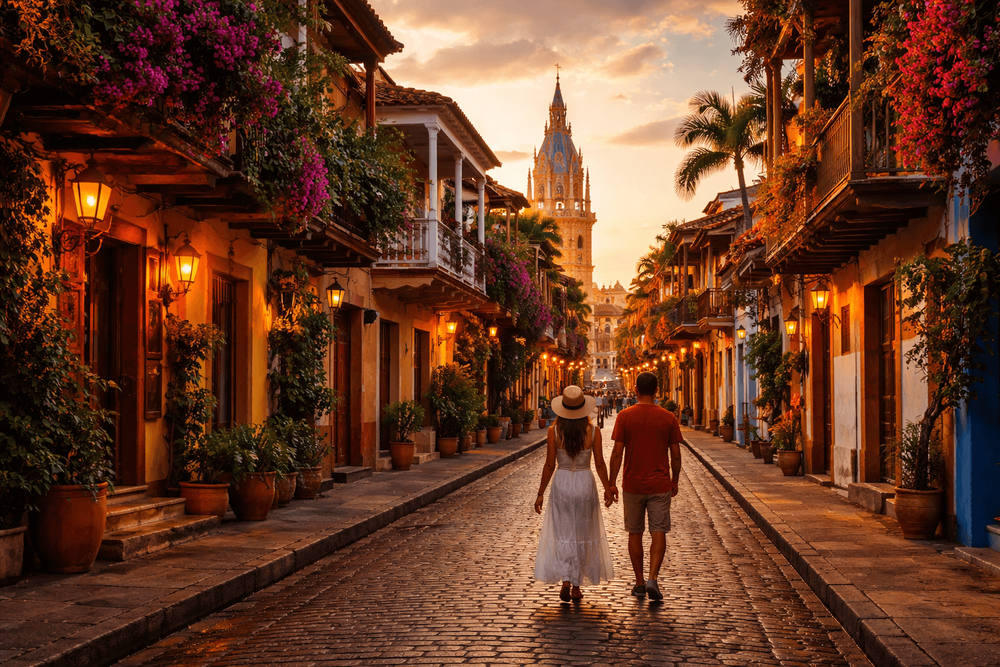
Colombia Travel Guide: Where to Go, When to Visit & Sample Itineraries
Plan a richly textured Colombia trip—when to visit, where to go, and ready-made itineraries from 3 to 14 days, plus smart logistics and responsible travel tips.
Mood
Cultural Deep-Dive
At dawn in Bogotá, the Andes blush pink as street vendors warm arepas on griddles that hiss in the chill. By afternoon, the breeze in Cartagena carries sea salt and the scent of jasmine over coral-stone ramparts. Come nightfall in Medellín, the valley lights bead together like a necklace, and salsa spills from open doors. Few countries shift moods as swiftly and seductively as Colombia. This Colombia travel guide distills the country’s abundant choices—cities and coasts, páramo and jungle—into an inspiring, actionable plan.
Why Colombia now: moods, regions, and highlights
Colombia’s renaissance has been decades in the making. A youthful population, booming creativity, and investments in public space have transformed urban life. The capital, Bogotá, leads with heavyweight culture—world-class museums, a serious dining scene, and cutting-edge galleries—while Medellín’s cable cars stitch hillside communities to parks and libraries in a model of urban innovation. On the Caribbean, Cartagena’s luminous walls shelter palaces-turned-boutiques and plazas perfumed with frangipani. Inland, the Coffee Triangle undulates in emerald ridges where wax palms spear the sky and fincas roast beans still warm from the sun. On the fringes, biodiversity reigns: the Pacific’s whale-thronged bays, the Amazon’s mirror-black rivers, the wind-carved dunes of La Guajira.

Lonely Planet Colombia 8 (Travel Guide): Egerton, Alex, Bremner, Jade, Masters, Tom, Raub, Kevin
Honest reviews for all budgets ... Basin, and more · The Perfect Choice: Lonely Planet's Colombia is <strong>our most comprehensive guide to the country</strong>, and is designed to immerse you i
Check Price on AmazonTravelers will come for different moods: colonial romance and Caribbean ease; highland cool and intellectual verve; rainforest immersion and wildlife pilgrimages. Distances are large but not daunting, with excellent domestic flight networks and a tapestry of lodgings from design-forward boutique hotels to remote eco-lodges. Food is a draw in every region—seafood stews on the coast, glossy arepas and sharp aji in the Andes, cacao and cup after cup of fresh-brewed coffee across the heartland.
Colombia Travel Guide: when to go by region
Equatorial Colombia doesn’t have four seasons; it has microclimates defined by altitude and rainfall. Planning by region is key.
Bogotá and the Andean Highlands
- Weather: Cool and crisp year-round at 2,640m (8,660 ft). Expect highs around 18°C (64°F), chilly nights, and frequent afternoon showers. The driest stretches typically run December–March and July–August.
- Best for: Museums and dining, day trips to Villa de Leyva and Zipaquirá, high-altitude hikes in Chingaza or Sumapaz (with guides). UV is strong; the air is thin—acclimatize and hydrate.
- Festivals: Ibero-American Theater Festival (biennial, spring), Jazz al Parque (September), and summer cultural festivals.
Medellín and the Aburrá Valley
- Weather: The “City of Eternal Spring” offers mild temperatures (22–28°C/72–82°F) year-round with brief, predictable showers; relatively drier December–March and July–August.
- Best for: Urban innovation tours, cable-car rides to Parque Arví, nightlife, and day trips to Guatapé.
- Festivals: Feria de las Flores (late July/early August) fills the city with blooms and parades.
Caribbean Coast: Cartagena, Santa Marta, Tayrona & La Guajira
- Weather: Hot and humid, with a pronounced dry season December–April. Rains are heavier September–November. Sea breezes moderate heat in Cartagena; jungled Tayrona feels steamier.
- Best for: Colonial heritage, island escapes, jungle-backed beaches, desert dunes in La Guajira.
- Festivals: Barranquilla Carnival (February/March), Hay Festival Cartagena (late January), Vallenato Festival in Valledupar (late April).
Coffee Triangle (Eje Cafetero)
- Weather: Temperate with sunshine interrupted by refreshing showers year-round; relatively drier December–March and July–August. Elevations range 1,200–2,000m.
- Best for: Finca stays, coffee cuppings, Cocora Valley hikes, thermal springs.
Pacific Coast
- Weather: One of the wettest coasts on earth—expect tropical downpours in any month, with brief sunny breaks. Whale-watching peaks July–October.
- Best for: Humpback encounters, surfing, jungle trekking, and off-grid calm.
Amazon (Leticia and surroundings)
- Weather: Hot, humid, and rainy year-round; river levels and wildlife viewing shift seasonally. Slightly “drier” months can fall June–September, but bring a rain shell any time.
- Best for: River journeys, canopy walks, pink river dolphins, and community-led cultural experiences. Yellow fever vaccination is recommended.
Note: Tayrona National Natural Park announces periodic closures for ecological and cultural reasons—often several weeks spread across the year. Check official dates before booking.
Where to go: city and nature essentials
Bogotá: cultural altitude
In Bogotá, the colonial quarter of La Candelaria concentrates the capital’s story: frescoed churches, flower-box balconies, and the Gold Museum’s incandescent galleries where 34,000 pre-Hispanic pieces gleam. The Botero Museum adds wit and plump volumes to the picture; nearby, third-wave cafés steam in old courtyards. Take the funicular or cable car up to Monserrate for a skyline view and cobalt peaks beyond—go early to avoid crowds and afternoon mist. North of the center, Chapinero cooks up Bogotá’s creative energy: chef-driven restaurants, design shops, queer nightlife, and weekends that spill late. Sundays, the Ciclovía opens miles of streets to cyclists—join the flow on two wheels.
Day trips deliver drama: Zipaquirá’s salt-cathedral nave carved deep underground, and Villa de Leyva’s whitewashed vastness set on a prehistoric plain. Travelers sensitive to altitude should pace themselves—Bogotá sits higher than many Alpine resorts.
Medellín: mountain modern
Medellín’s rebirth is legible in its transport. The sleek Metro links to cable cars that skim up to hillside barrios and on to Parque Arví’s piney trails. In Comuna 13, bright murals and community-run tours narrate a difficult past with resilient pride. The Museo Casa de la Memoria offers sober context to the country’s recent history. Down in the valley, Jardín Botánico’s orchid house glows like a lantern and the creative quarters of Provenza and Manila hum with coffee labs, cocktail bars, and low-lit restaurants serving the valley’s cornucopia.
Day-trip east to Guatapé, where a kaleidoscope town backs onto a flooded archipelago. Climb La Piedra del Peñol’s 740 zigzag steps for a blue-green panorama; return for trout lunches and lake breezes. Remote workers prize Medellín’s pace and infrastructure—co-working spaces are plentiful, and the climate invites long stays. For more on balancing work and travel, see the broader Digital Nomad Guide for Backpackers.
Cartagena and the Rosario Islands: Caribbean romance
Cartagena is a city to wander. Bougainvillea floods balconies; vendors wheel fruit pyramids past coral-stone churches; the evening paseo on the walls catches trade winds and storybook light. In Getsemaní, street art bursts from stucco and plazas pulse with musicians and dancers. Heat blooms by noon—embrace the siesta, then emerge for rooftop sunsets and ceviche cooled with lime.
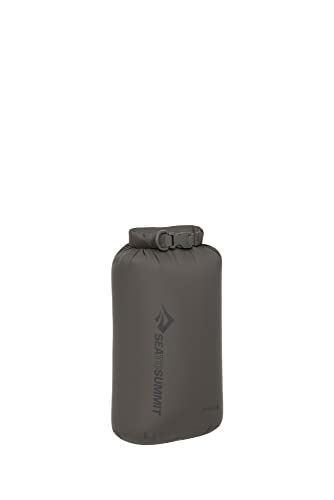
Sea to Summit Lightweight Dry Bag, Multi-Purpose Dry Storage, 1.5 Liter, Beluga Grey
View on AmazonEscape on a day trip or overnighter to the Rosario Islands, where clear shallows lilt over coral gardens. Choose lodgings that limit day-tripper numbers to keep the mood languid and the reef healthy. For a deeper cultural dive, arrange a visit to San Basilio de Palenque, the first free Black town in the Americas, where music and language preserve a storied lineage.
The Coffee Region: fincas, palms, and hot springs
The Coffee Triangle—anchored by Armenia, Pereira, and Manizales—unfurls in shades of green. Base in Salento or Filandia to hike the Cocora Valley, where Quindío wax palms, the world’s tallest, pierce cloudbanks like living obelisks. Between trails, visit smallholder farms to follow the bean from glossy red cherry to aromatic pour; tastings reveal chocolate, citrus, and panela notes that redefine “coffee.” Thermal springs such as Santa Rosa de Cabal turn the afternoon silky. Rural roads thread to viewpoints and roadside areperas—hire a local driver or rent a car if comfortable with mountain bends.
Tayrona, Minca, and La Guajira: jungle-to-desert arc
From Santa Marta, a palm-fringed road reaches Tayrona, where trails rustle with howler monkeys and beaches curve in cinematic crescents—some safe for swimming, many for gazing. Simple eco-habs and hammock camps tuck into the forest; bring cash and pack out what you pack in. Up in Minca’s cloud forest, cool river pools and cacao farms offer a green respite from the coast. Continue east to La Guajira, a desert of flame-colored dunes and turquoise bays. With Wayuu guides, visit rancherías to learn about weaving traditions and matrilineal culture, then push on to Punta Gallinas—the continental north—and lighthouse sunsets that feel like the edge of the world.
The Pacific: rainforests and whales
Nuquí and Bahía Solano cradle black-sand beaches and rainforest that leans straight into the sea. This is a place for quiet days: boat trips into mangroves, surf sessions on empty breaks, and the magic of July–October, when humpbacks approach within earshot of shore. Lodges are small and generator-powered; flights from Medellín or Bogotá connect through regional hubs. Expect rain, delicious seafood stews, and nights softened by surf.
The Amazon: Leticia and beyond
At Colombia’s tririver border with Peru and Brazil, Leticia opens onto the Amazon’s liquid roads. Days move at river pace: motoring to canopy walkways, paddling in oxbow lakes where hoatzins crash-leap through leaves, watching pink river dolphins surface like shy apparitions. Many lodges are community-run and prioritize low-impact experiences—choose operations that employ local guides and support conservation. Yellow fever vaccination is recommended for travel here and to several national parks; long sleeves and repellent are essential.
Sample itineraries for 3, 7, and 10–14 days
3 days: choose a mood
- Bogotá Classic
- Day 1: La Candelaria stroll (Plaza Bolívar, Botero Museum), Gold Museum, dinner in Chapinero.
- Day 2: Monserrate at sunrise, Usaquén Sunday market (if timing fits), Ciclovía by bike, contemporary galleries.
- Day 3: Zipaquirá salt cathedral or Villa de Leyva day trip.
- Cartagena City & Sea
- Day 1: Walled City wander, sunset on the ramparts.
- Day 2: Getsemaní street art and cafés; siesta; evening salsa at a classic club.
- Day 3: Rosario Islands day trip; swim, snorkel, and lunch by the water.
- Medellín Urban Nature
- Day 1: Metro and cable-car to Parque Arví; picnic; return via Comuna 13 community tour.
- Day 2: Jardín Botánico, Museum of Modern Art, Provenza dining.
- Day 3: Guatapé and El Peñol excursion.
7 days: classic Colombia
- Route: Bogotá (2) → Coffee Region (3) → Cartagena (2)
- Day 1–2: Bogotá highlights and Monserrate view.
- Day 3: Fly to Pereira or Armenia; finca check-in; coffee farm tour at sunset.
- Day 4: Cocora Valley hike; Salento and Filandia.
- Day 5: Thermal springs; countryside drive; regional cuisine.
- Day 6: Fly to Cartagena; evening paseo and seafood dinner.
- Day 7: Rosario Islands or Bazurto Market food tour; sunset walls.
Alternative 7-day for nature lovers: Santa Marta (2) → Tayrona (2) → Minca (1) → Cartagena (2). Build in transport time: Santa Marta–Tayrona 1–1.5 hours; Minca–Santa Marta 45 minutes; Santa Marta–Cartagena 4–5 hours by road or a short flight.
10–14 days: layered Colombia
- 12-Day Andes-to-Caribbean Grand
- Days 1–2: Bogotá’s museums, La Candelaria, and Monserrate; optional Zipaquirá.
- Days 3–5: Fly to the Coffee Region; finca stay, Cocora Valley, hot springs.
- Days 6–8: Medellín via short flight; cable-car, Comuna 13, Guatapé day trip, Provenza nights.
- Days 9–12: Fly to Cartagena; Walled City and Getsemaní; Rosario Islands overnight to slow the pace.
- 12–14 Day North Coast Arc
- Days 1–2: Cartagena city immersion.
- Days 3–4: Santa Marta base; day trip to Tayrona’s beaches and jungle trails.
- Days 5–7: Minca cloud forest retreats, cacao/coffee farms, river swims.
- Days 8–10: La Guajira with Wayuu guides—Cabo de la Vela and Punta Gallinas; starlit hammocks.
- Days 11–12: Return to Cartagena for island time or a final feast.
- 10–12 Day Wild Colombia
- Days 1–2: Medellín orientation.
- Days 3–6: Pacific Coast (Nuquí or Bahía Solano) for jungle treks and humpbacks (July–October best).
- Days 7–10: Amazon via Bogotá; river lodge, canopy walks, community visits; buffer a day for flight connections.
Tip: Colombia is large; stringing too many regions leads to airport fatigue. These routes build rhythm with two- to three-night stays.
Getting around: flights, buses, cars, and safety-smart travel
- Flights: The quickest way between regions. Major carriers include Avianca, LATAM, Wingo, and regional SATENA. Bogotá (BOG) is the main hub; Medellín (MDE), Cartagena (CTG), and the Coffee Region’s airports (PEI/AXM) offer frequent links. Book early around holidays and festival weeks.
- Buses: Intercity coaches (e.g., Bolivariano, Expreso Brasilia) are comfortable on main corridors. Mountain routes wind; motion sickness tablets help. Daytime travel is preferable. Keep an eye on belongings at terminals.
- Car hire: Ideal in the Coffee Region and around Medellín for Guatapé or rural loops. Expect tolls (peajes), aggressive speed bumps, and occasional gravel stretches. Avoid night driving, especially on unfamiliar highways.
- Urban transport: Bogotá’s TransMilenio bus network is fast but crowded; Medellín’s Metro is efficient and clean. In cities, use vetted taxi apps or rideshares (Uber, DiDi, Cabify) rather than hailing on the street.
- Safety-smart habits: Colombia’s cities are dynamic yet require urban savvy. Leave flashy jewelry at home, use ATMs inside banks/malls, split cards and cash, and keep phones pocketed on the street. Seek local advice on neighborhoods, particularly after dark. For a practical framework on assessing risks and reading local conditions wherever you go, see Is It Safe to Travel to [Country]? Honest, Practical Safety Guide.
Practicalities: visas, health, money, connectivity, culture
- Visas: Many nationalities (including US, UK, EU, Canada, Australia, New Zealand) receive up to 90 days visa-free on arrival; proof of onward travel may be requested. Extensions are often possible online up to 180 days per year. Always verify current rules with official sources.
- Health:
- Altitude: Bogotá and some highland parks sit above 2,600m—ascend gradually, hydrate, avoid overexertion on day one.
- Vaccinations: Yellow fever is recommended for the Amazon and several national parks; bring a certificate. Routine vaccinations should be up-to-date.
- Tropical considerations: Use repellent (picaridin or DEET), wear long sleeves at dusk, and sleep under nets where provided. Sun is intense at altitude and coast—reef-safe sunscreen and a hat are essentials.
- Water & food: In major cities, many travelers opt for filtered water; elsewhere, stick to boiled/filtered. Enjoy street food from busy, well-regarded vendors.
- Money: The currency is the Colombian peso (COP). Cards are widely accepted in cities; carry cash for taxis, markets, and rural areas. ATMs are common; withdraw in secure locations. A 10% service charge (propina) is often suggested on bills; it’s voluntary—add more for exceptional service. Tipping guides and drivers is customary.
- Connectivity: Prepaid SIMs from Claro, Tigo, or Movistar are easy to buy with a passport; eSIMs are increasingly available. Coverage drops in mountains, jungles, and national parks. WhatsApp is the default for messaging and bookings.
- Language & etiquette: Spanish is predominant; English is limited outside tourist hubs. A warm buenos días opens doors. Dress leans smart-casual in cities; beachwear is for the beach. Always ask permission before photographing people, especially in Indigenous and Afro-Colombian communities.
- Power & time: 110V, 60Hz; plug types A/B (US-style). Colombia observes UTC-5 year-round.
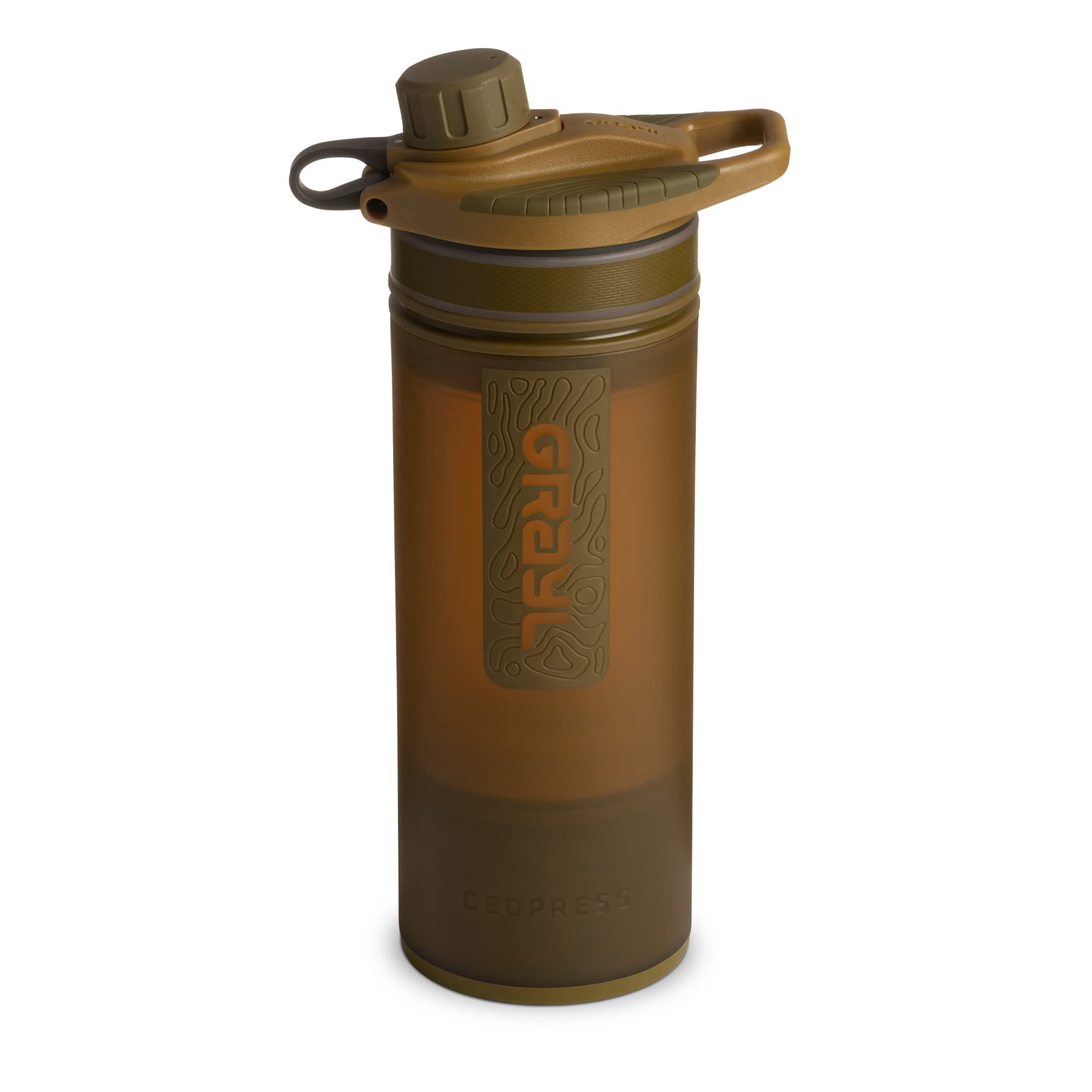
GRAYL GeoPress 24 oz Water Purifier Bottle - Filter for ...
Versatile, fast, and ridiculously easy to use — the 24oz GeoPress Water Filter & Purifier Bottle <strong>requires zero setup, no sucking or squeezing, and makes 24 fl oz (710 ml) of clean purified
Check Price on AmazonWhere to stay: neighborhoods and styles
- Bogotá
- La Candelaria: Heritage stays in colonial casonas near museums—ideal for culture-focused days.
- Chapinero Alto & Quinta Camacho: Design-forward boutiques on leafy streets, close to destination dining.
- Zona T/Parque 93: Luxe towers, rooftop bars, and nightlife.
- Medellín
- El Poblado & Provenza: Full-service hotels, co-working cafés, and walkable dining.
- Laureles: Tree-lined avenues and a more local pace; plenty of mid-range boutiques.
- Santa Elena: Eco-lodges and cabins in cool pine forests near Parque Arví.
- Cartagena
- Walled City: Intimate mansions with courtyards and plunge pools; atmospheric and central.
- Getsemaní: Bohemian guesthouses and art-forward boutiques.
- Bocagrande/Castillogrande: Beachfront high-rises with resort-style amenities.
- Rosario Islands: Eco-lodges and small beach hotels; choose reef-friendly operators with limited day-tripper traffic.
- Coffee Region
- Finca stays: Restored haciendas amid coffee groves; hammocks, birdsong, and mountain views.
- Town bases: Salento and Filandia for walk-to-dinner convenience; glamping in the hills for dark skies.
- Caribbean North
- Santa Marta Centro: Colonial boutiques and leafy plazas.
- Tayrona fringe: Eco-habs and jungle lodges steps from surf; minimal amenities, maximum stars.
- Minca: Rustic-chic eco-lodges with river access and canopy views.
- La Guajira: Community-run rancherías and hammock camps—simple and soulful.
- Pacific
- Jungle lodges: Wooden bungalows, mosquito nets, guided hikes, and boat-access beaches.
- Amazon
- River and forest lodges: Stilted cabins, canopy platforms, and community-owned malocas emphasizing low-impact stays.
Responsible travel, packing checklist, and next steps
Colombia rewards travelers who go lightly and listen closely.
Travel gently:
- Choose community-led tours in Comuna 13, La Guajira, and the Amazon; your visit supports local initiatives.
- Pack a reusable bottle and filter; skip single-use plastics in parks and on islands.
- Use reef-safe sunscreen in the Caribbean; avoid touching coral and anchoring on reefs.
- Ask before photographing people and sacred sites; respect closures and signage in national parks.
Permits and planning:
- Ciudad Perdida (Lost City) can only be visited on multi-day treks with licensed operators; book ahead in peak months (December–March, June–August).
- Tayrona enforces daily visitor caps and periodic closures; secure park entry and lodging early in high season.
- Caño Cristales (Meta) opens seasonally, typically June–November; visits require a licensed guide and environmental briefings.
- Whale-watching on the Pacific is regulated; choose operators who follow distance and speed rules.
Packing essentials:
- Layers for altitude (light down or fleece), breathable tropics wear, and a compact rain shell.
- Trail shoes with grip, sandals for the coast, and quick-dry socks.
- Sun hat, reef-safe sunscreen, polarized sunglasses.
- Insect repellent (picaridin or DEET), long-sleeve shirts for dusk, and a lightweight scarf or buff.
- Swimwear, sarong, and a dry bag for boats.
- Reusable water bottle with filter, small first-aid kit, and motion-sickness tablets for mountain roads and swells.
- Headlamp, portable power bank, and waterproof phone case.
- Passport copies, travel insurance details, and vaccination card if heading to Amazonian or park areas.
Next steps:
- Still refining your route? Start broad with our Travel Destinations: The Definitive Guide to Choosing Where to Go.
- If you’ll be mixing laptop time with long stays in Medellín or the Coffee Region, consult the Digital Nomad Guide for Backpackers for work-travel balance.
- Keep cultivating a safety-first mindset wherever you roam with Is It Safe to Travel to [Country]? Honest, Practical Safety Guide.
What lingers after a Colombian journey is contrast: the cool of highland mornings and the Caribbean’s warm hush at dusk; the punch of fresh-roasted coffee and the sea’s briny sweetness; the resolute pride of people who welcome visitors into a culture both ancient and vividly new. Let this Colombia travel guide be your map—and let your senses do the rest.
Recommended Travel Gear
Lonely Planet Colombia 8 (Travel Guide): Egerton, Alex, Bremner, Jade, Masters, Tom, Raub, Kevin
Honest reviews for all budgets ... Basin, and more · The Perfect Choice: Lonely Planet's Colombia is <strong>our most comprehensive guide to the country</strong>, and is designed to immerse you i
GRAYL GeoPress 24 oz Water Purifier Bottle - Filter for ...
Versatile, fast, and ridiculously easy to use — the 24oz GeoPress Water Filter & Purifier Bottle <strong>requires zero setup, no sucking or squeezing, and makes 24 fl oz (710 ml) of clean purified
Sea to Summit Lightweight Dry Bag, Multi-Purpose Dry Storage, 1.5 Liter, Beluga Grey
The oval base of the Sea to Summit Lightweight Dry Bag resists rolling and its flat, streamlined shape saves space. A patent pending field repair buckle can be replaced in seconds with a Phillips scre