
Gourmet Food Tours in Nepal: Taste, Learn, and Shop Your Way Through Kathmandu & Beyond
Follow chef-led menus, market walks, and momo masterclasses to taste Nepal’s regions—from Newari feasts to Thakali precision—then bring the flavors home.
Mood
Culinary Deep-Dive
At first light in Kathmandu’s Asan Bazaar, the air is steeped in cardamom and woodsmoke. Porters shoulder sacks of beaten rice; brass bowls fill with creamy juju dhau, Bhaktapur’s famed yogurt. A vendor cracks timur (the Nepali prickly ash) under a pestle, releasing a citrus-prickle aroma that tingles the lips before it’s even tasted. This is where gourmet food tours in Nepal truly begin—not in starched dining rooms, but in living markets where flavor is memory, ritual, and geography in motion.
Why Gourmet Food Tours in Nepal Belong on Your List
Nepal is a Himalayan crossroads, and its cuisine is a map written in steam, spice, and stone-ground grain. Gourmet food tours in Nepal weave through Newari kitchens in the Kathmandu Valley, Thakali hearths along the Kali Gandaki, the fertile Terai plains, and highland yak-grazed pastures shaped by Tibetan influences. The result is a tasting itinerary with depth: fragrant, bright, meticulously layered, and profoundly place-based.
Kathmandu Valley and the Newari Table
The Valley’s original inhabitants, the Newars, anchor Nepal’s most intricate culinary tradition. Expect bold contrasts: smoky grilled choila (buffalo or mushroom) offset by tart, seed-thickened achaar; crisp bara (lentil pancakes) and lacy chatamari; ceremonial feasts known as samay baji that orchestrate nine, 16, sometimes 84 tastes. Signature ingredients include beaten rice (chiura), roasted soybeans (bhatmas), and the perfume of fenugreek, cumin, and mustard oil. In Bhaktapur, juju dhau—a rich, clay-pot yogurt set with buffalo milk—lands on tables with a custard’s wobble and a creamery’s tang.
Thakali Precision: Mustang and the Mid-Hills
Further north, Thakali cuisine—once the merchants’ food of Mustang—elevates dal-bhat to a culinary thesis. Each element is exacting: nutty rice, glossy lentils, seasonal greens wilted with jimbu (a wild Allium), and sautéed potatoes that snap with timur. Thakali spice blends lean warm and savory rather than fiery, building layers with coriander and toasted cumin. Buckwheat pancakes (phapar ko roti) and gundruk (fermented leafy greens) add rustic, probiotic bite.
Terai Abundance: The Southern Granary
The Terai plains, Nepal’s breadbasket, feed the country’s passion for produce—sugary tomatoes, long gourds, mustard greens, and jute leaves. Here, flavors tilt toward subtle heat and clarity: fish curries from river catch, puffed rice mixes bright with raw mustard oil, and sweets perfumed by cardamom. Seasonal mangoes turn markets into perfumeries; sugarcane juice is a monsoon balm.
Himalayan and Tibetan Influences
High-elevation kitchens keep souls warm with broths and dumplings. Momos cradle minced meat or mushrooms in hand-pinched pleats; thukpa soups are silken with handmade noodles; thenthuk ribbons slide through bone-deep stocks. Yak and chhurpi (hard Himalayan cheese) anchor highland snacking; butter tea hums with salt, a savory energy elixir above treeline.
The Modern Fine-Dining Moment
Kathmandu’s rising fine-dining scene channels heritage with contemporary poise. Krishnarpan at Dwarika’s Hotel presides over multi-course Nepali tasting rituals—an hours-long progression where ceramicware, copper tableware, and slow-cooked sauces honor royal-era technique. Le Sherpa pairs farm-to-table precision with a Saturday market that spotlights small producers. Traditional houses like Bhojan Griha stage Newari feasts in restored Rana-era mansions, while a new generation of chefs—many inspired by global Nepali talents—experiment with fermentation, foraged greens, and heirloom grains. The through line is reverence for place.
Signature Experiences on Curated Gourmet Food Tours
From chef’s counters to alleyway grills, curated itineraries layer instruction, interaction, and indulgence. Expect sensory education alongside satisfaction.
Chef-Led Tasting Menus
Private tasting menus in Kathmandu pull regional threads into a high-wire act of precision: a Thakali dal that hums with jimbu and sun-dried tomatoes; charred choila reimagined with oyster mushrooms; a dessert flight of yomari infused with molasses and sesame. Between courses, chefs decode spice sequencing and the logic of texture—why a spoon of crunchy chiura matters as much as a slow-simmered sauce. It’s a masterclass in restraint and release.
- How it works: 6–10 courses, wine or raksi pairings on request, kitchen walk-throughs that explain stock bases and achaar families (sesame, tomato, lapsi, timur).
- Where you might go: heritage dining rooms in Patan’s brick-laced lanes, contemporary ateliers in Lazimpat.
The Dwarika’s Hotel [booking-url] places guests within a living museum of carved wood and brickwork, and its flagship Krishnarpan remains Kathmandu’s most transporting Nepali dégustation—ritualized, refined, and unforgettable.
A Newari Khaja and Juju Dhau Feast Day
Spend a day in Bhaktapur and Thimi, hopping from brass-bowl breakfasts to courtyard grills. A typical route: morning yogurt tasting at a juju dhau maker, hands-on grinding of spice pastes, and a noon feast of bara topped with egg and minced buff, choila flaring with mustard oil, and samay baji plated like edible mandalas. Gourmands leave with a feel for knife work, tempering oils, and the etiquette of feast service.
- Hands-on focus: frying bara, balancing sour and heat in achaar, plating samay baji’s nine-way interplay.
Baber Mahal Vilas [booking-url], a boutique stay fashioned from a Rana-era complex, makes an elegant base for days dedicated to historical dining and design-forward restaurants.
Momo and Dal Bhat Masterclasses
Few foods are as beloved as momos. In a workshop, folding becomes choreography: crescent pleats for jhol (brothy) momos, round purses for steamed baskets, lattice-topped ones for pan-fried magic. Fillings range from shiitake and paneer to minced buff or chicken; a tomato-sesame achar shows how timur shakes hands with chili. Dal-bhat labs teach the architecture of a perfect set—lentils separated into tempered and untempered layers; tarkari (veg) that keeps snap; rice with the right sheen.
- Takeaways: pleating techniques, spice tempering, pressure-cooker timing, and a small arsenal of chutneys.
Street-Food Walks in Asan and Thamel
Under prayer flags and tangled telecom lines, street walks trace the Valley’s edible vernacular. Baskets brim with sel roti—ringed rice doughnuts that snap and sigh with ghee. You’ll taste laphing noodles glossed with chili-vinegar, pani puri that crackles, and sticks of warm, smoky chhurpi. Guides spotlight hygiene-savvy vendors and the micro-histories behind each stall. For travelers craving deeper, under-the-radar bites elsewhere in the world, pair your city stroll with our guide to Off the Beaten Path: A Food Lover’s Guide to Authentic Eats.
- Insider tip: arrive hungry and early; the best sel roti vanish by mid-morning.
Market Immersions and Spice Buying
In Asan, Indra Chowk, and Patan’s hidden courtyards, you’ll learn to identify just-picked jimbu, differentiate local timur from Sichuan cousins, and recognize lapsi (hog plum) for chutneys. Expect tastings of gundruk soup and discussions on fermentation’s role in preservation. Tours often include tailored shopping with sealed, food-safe packaging—essential for border crossings.

Sea to Summit Ultra-Sil Ultralight Day Pack, 20-Liter, Atoll Blue
View on Amazon- Packing list: whole spices (timur, black cardamom), heirloom lentils, dried jimbu, lapsi candy, and bronze tableware.
Tea, Coffee, and High-Altitude Dairy
Nepal’s eastern hills grow elegant orthodox teas—floral early flushes from Ilam and brisk autumnals—that increasingly stand shoulder to shoulder with Darjeeling. Kathmandu’s micro-roasters pour washed and honey-processed arabicas from Nuwakot, Gulmi, and Palpa, pushing a specialty scene that pairs well with artisanal pastries. High-country dairy tastings introduce yak and chauri cheeses, from pliant young rounds to rock-hard chhurpi that melts into smoky thukpa or becomes a hiker’s chewable companion.
- Optional day trips: farmhouse tastings near the Valley rim; visits to maker collectives spotlighting women-led dairies and tea cooperatives.
For travelers extending west to Pokhara, The Pavilions Himalayas [booking-url] operates on its own organic farm; breakfast eggs, greens, and milk are gathered steps from your villa—a serene base for daylong cooking workshops and market runs at lakeside stalls.
Planning Your Trip: Seasons, Health, and Logistics
Gourmet food tours in Nepal pair best with crisp, high-visibility seasons—when markets sparkle with produce and rooftop dining becomes a nightly ritual.
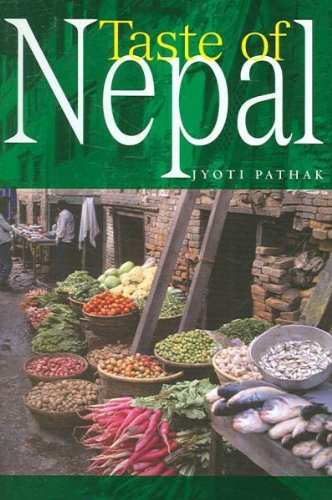
Taste of Nepal (Hippocrene Cookbook Library (Paperback)): Pathak, Jyoti
Written by a native Nepali, the cookbook is both erudite and passionate. --Chile Pepper magazine · Jyoti Pandey Pathak was born and raised in Kathmandu, Nepal. She holds a degree in Home Science from
Check Price on AmazonBest Times to Visit
- October–November: post-monsoon skies, festival calendars (Dashain, Tihar) that bring feasting into the streets.
- March–April: warm days, pre-monsoon greens, rhododendron blooms elevating hill views.
- December–February: cool, clear; great for tea tastings and hearty Thakali sets, but bring layers for unheated interiors.
- June–September: monsoon churns markets with mangoes and mushrooms, but downpours can disrupt travel.
Altitude and Health Considerations
Kathmandu sits around 1,400 meters—no acclimatization required. If your itinerary leaps to highlands—Mustang, Langtang, or Everest-view villages—add buffer days and hydrate. Street-food hygiene is about judgment: choose busy stalls, watch food cooked to order, carry hand sanitizer, and drink sealed bottled or properly filtered water. Those blending culinary travel with wellness will find restorative balance in our guide to Himalayan Wellness: A Traveler’s Guide to Yoga, Ayurveda and Meditation Retreats in Nepal.

GRAYL GeoPress 24 oz Water Purifier Bottle - Filter for Hiking, Camping, Survival, Travel (Bali Blue)
Versatile, fast, and ridiculously easy to use — the 24oz GeoPress Water Filter & Purifier Bottle <strong>requires zero setup, no sucking or squeezing, and makes 24 fl oz (710 ml) of clean purified
Check Price on AmazonDietary Restrictions
Vegetarian dining flourishes—lentils, paneer, mushrooms, and seasonal vegetables lead many menus. Vegan is increasingly accommodated but requires vigilance around ghee, yogurt, and milk tea. Pork features in Newari meals; beef is widely avoided due to Hindu reverence for cows; buffalo (buff) is common. Halal options exist in urban centers. Always alert guides to allergies; sesame is a frequent star in achar, and peanuts appear in street snacks.
Getting Around
Most culinary touring in the Valley is walkable, with short taxi hops between Kathmandu, Patan, and Bhaktapur. Private vehicles streamline day trips to Kirtipur, Panauti, or hill farms. Domestic flights link Pokhara, Bharatpur (Chitwan), and Nepalgunj for broader circuits. Traffic can be unruly—book tastings in the same quadrant to minimize transit.
Typical Price Ranges and Tour Lengths
- Half-day street-food walk: $25–$60 per person, tastings included.
- Market tour + cooking class: $40–$90, depending on group size and chef pedigree.
- Chef-led tasting menu experience: $70–$150+, with optional pairings.
- Multi-day gourmet circuits (Valley + Pokhara or Mustang): $600–$1,500 per person, excluding domestic flights.
Booking Tips and Reliable Operators
Seek small-group or private tours that cap numbers at 8–10; ask about vendor relationships, hygienic practices, and flexibility for dietary needs. Look for operators licensed with the Nepal Tourism Board and transparent about guide training and fair compensation. If your route folds in cheese-country hikes or tea-garden rambles, our primer on Adventure Travel: How to Plan Epic, Responsible Trips Around the World helps frame safety and sustainability questions to ask.
Culture, Ethics, and Etiquette at the Table
A refined palate travels with cultural fluency.
- Hands and place settings: many meals are eaten with the right hand; wash before and after. If sharing thali-style dishes, avoid touching communal food with a used spoon. Shoes off when entering private homes or certain traditional dining rooms.
- Faith and meat: many Hindus avoid beef; buffalo is a common substitute. Pork appears in Newari cuisine; Buddhist communities may lean more vegetarian. Always ask before bringing meat into temple precincts.
- Photography: request permission before photographing people, shrines, and in-home kitchens; offer to share images or prints later. A small purchase (a handful of spices, a bowl of yogurt) is the most gracious “thank you” in markets.
- Sourcing with care: favor tours that pay fair prices to smallholders; choose restaurants that highlight local grains (millet, buckwheat), seasonal greens, and heritage legumes. Farm-to-table outfits and women-led co-ops multiply positive impact.
- Waste and water: carry a refillable bottle with a reputable filter; bring a reusable tote for spice and lentil purchases; decline excess plastic cutlery.
Who Will Love It—and What You’ll Take Home
Gourmet food tours in Nepal delight travelers at every fluency level.
- Food lovers and fine diners: tasting menus and heritage feasts deliver technique and terroir in equal measure.
- Home cooks: hands-on momo, dal-bhat, and achar sessions translate seamlessly to home kitchens.
- Cultural travelers and photographers: markets, festivals, and courtyard kitchens unlock living traditions through taste.
Expect to master momo pleats and spice tempering, decode the balance of sour-heat-bitterness in Nepali chutneys, and gain the confidence to shop for timur, jimbu, and gundruk by sight and scent. Many tours share recipe cards or digital booklets; for deeper dives, look for Jyoti Pathak’s “Taste of Nepal” and modern Nepali cookbooks by chefs bringing Himalayan flavors to global tables. Spice vendors at Asan and Patan can vacuum-seal purchases for transport; reputable dairies will label aged yak cheeses for customs.
The lasting image is tactile: turmeric dust bright on fingertips, a brass bowl warming the palm, and the cool, custardy finish of juju dhau at dusk. In a country where the mountains write the skyline and markets set the rhythm, every bite is a landscape—layered, generous, and enduring.
Recommended Travel Gear
Taste of Nepal (Hippocrene Cookbook Library (Paperback)): Pathak, Jyoti
Written by a native Nepali, the cookbook is both erudite and passionate. --Chile Pepper magazine · Jyoti Pandey Pathak was born and raised in Kathmandu, Nepal. She holds a degree in Home Science from
GRAYL GeoPress 24 oz Water Purifier Bottle - Filter for Hiking, Camping, Survival, Travel (Bali Blue)
Versatile, fast, and ridiculously easy to use — the 24oz GeoPress Water Filter & Purifier Bottle <strong>requires zero setup, no sucking or squeezing, and makes 24 fl oz (710 ml) of clean purified
Sea to Summit Ultra-Sil Ultralight Day Pack, 20-Liter, Atoll Blue
Buy Sea to Summit Ultra-Sil Ultralight Day Pack, 20-Liter, Atoll Blue and other Hiking Daypacks at Amazon.com. Our wide selection is eligible for free shipping and free returns.