
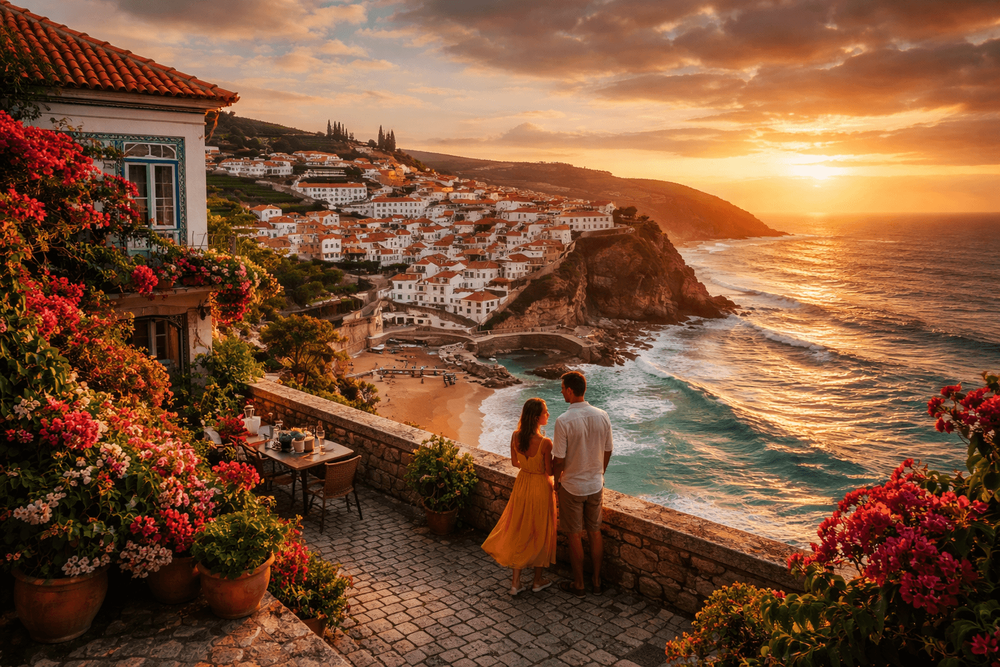
Portugal Travel Guide: Regions, Itineraries & Essential Tips
From tiled cities to vine-laced valleys, wild surf coasts and emerald islands—use this region-by-region Portugal travel guide to plan with confidence.
Mood
Cultural Deep-Dive
At dawn in Lisbon, the first pastelarias open their doors and the air fills with butter and cinnamon. Trams hum along cobbled streets rimmed in blue-and-white azulejos, while, beyond, the Atlantic flickers silver. This Portugal travel guide charts a route through the country’s sunlit cities, vine-laced valleys, wild surf coasts, and emerald islands—an invitation to taste, listen, and wander across a compact nation with a global soul.
Portugal Travel Guide: Quick facts, visas & the best time to visit
- Capital: Lisbon; Language: Portuguese (English is widely spoken in cities and tourist areas)
- Currency: Euro (€); Time zone: Mainland and Madeira UTC/GMT, Azores UTC/GMT–1
- Plugs: Type F (230V); Emergency number: 112
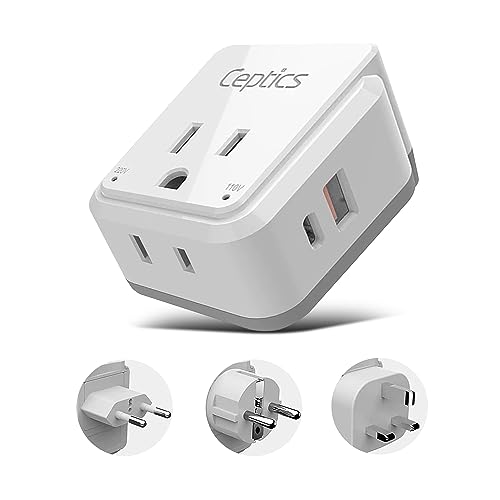
Ceptics European Plug Travel Adapter Set, 20W PD & QC, Safe Dual USB & USB-C - 2 USA Socket - Compact - Use in Germany, France, Italy, UK - Includes Type E/F, Type C, Type G SWadAPt Attachments
View on Amazon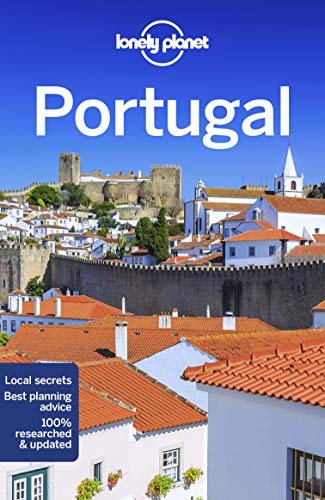
Lonely Planet Portugal 12 (Travel Guide): Clark, Gregor, Garwood, Duncan, Le Nevez, Catherine, Raub, Kevin, St Louis, Regis, Walker, Kerry
<strong>Covers Lisbon, Sintra, the Algarve, the Alentejo, Estremadura, Ribatejo, the Beiras, Porto, the Douro, Tras-os-Montes, the Minho</strong> · The Perfect Choice: Lonely Planet’s Portugal, our mo
Check Price on AmazonVisas: Portugal is in the Schengen Area. Citizens of the EU/EEA and Switzerland can enter visa-free. Many nationalities, including the US, UK, Canada, Australia, and New Zealand, are typically visa-exempt for short stays (up to 90 days in any 180-day period). Requirements can change—always check official government sources before travel. An online pre-clearance (ETIAS) has been planned but had not launched as of late 2024; verify the latest status.
Best time to visit: Spring (April–June) and early autumn (September–October) offer mild weather, blooming countryside, and fewer crowds. July–August brings beach-perfect days but packed coasts and higher prices. Winter is generally mild on the mainland’s coast, cooler and wetter in the north, and a fine season for wine country and city breaks. The Azores are lush year-round with changeable weather; Madeira is springlike even in January.
Regional climates: The north (Porto, Minho) is greener and wetter; the south (Algarve, Alentejo) is drier with blazing summers. Inland Alentejo can exceed 40°C in heatwaves, while Atlantic waters remain refreshingly cool even in summer.
Getting there and getting around: airports, trains, driving & ferries
Airports: Lisbon (LIS) is the primary international gateway; Porto (OPO) is well connected across Europe; Faro (FAO) serves the Algarve. For islands, fly to Funchal (FNC) on Madeira and Ponta Delgada (PDL) on São Miguel in the Azores. TAP Air Portugal, along with low-cost carriers, operates numerous routes.
Trains: Comboios de Portugal (CP) runs a reliable network. High-speed-ish Alfa Pendular and Intercidades trains link Lisbon–Porto in as little as 2.5–3 hours, with onward routes to the Algarve and Coimbra. Seat reservations are compulsory on long-distance services and can sell out in peak season—book ahead online or at stations. Regional trains are slower but scenic, especially along the Douro line.
Buses: Rede Expressos and other operators (including FlixBus) fill gaps where rail is sparse, notably across the Alentejo and parts of the Algarve. Coaches are comfortable and economical.
Cities: Lisbon’s metro, trams, ferries, and buses are integrated on the Viva Viagem card (tap-in/tap-out; day passes available). Porto uses the Andante card across metro, bus, and suburban rail. Rideshares and taxis are widely available.
Driving: Roads are excellent. Highways (autoestradas) are tolled—many use electronic gantries only. Visitors should arrange a Via Verde transponder with their rental car or use EASYToll/TollCard for foreign plates. In cities and historic centers, streets can be narrow with limited parking; park on the outskirts and walk or use public transit.
- Speed limits: 50 km/h in towns, 90–100 km/h on secondary roads, 120 km/h on highways.
- Legal blood alcohol limit: 0.05% (lower for new drivers).
- An International Driving Permit can be useful for non-EU license holders.
Ferries: On the mainland, short ferries cross the Tagus (Lisbon–Cacilhas, Belém–Porto Brandão) and shuttle to Algarve barrier islands from Faro, Olhão, and Tavira. In the islands, ferries link Madeira to Porto Santo, and the Azores inter-island network connects São Miguel, Pico, Faial, São Jorge and more (routes vary by season). For the mainland-to-islands hop, flying is the norm.
Top regions to visit — what to expect
Lisbon
The capital is a city of seven hills, tiled façades, and river light that pours in like champagne. Alfama’s lanes coil around the castle with Fado notes drifting from tavern doors; Belém displays Portugal’s Age of Discovery in stone lace at Jerónimos Monastery and Belém Tower. Evenings might begin on a miradouro terrace and end late in Bairro Alto or Príncipe Real. For a deep-dive into the city’s after-hours charisma, see Lisbon’s evolving nightlife scene in Lisbon After Dark: Fado, Rooftops and a New Wave of Boutique Hotels.
Expect: World-class museums (MAAT, Gulbenkian), a dynamic food scene from tasca classics to contemporary Michelin kitchens, day trips to Sintra’s palaces, Cascais beaches, and the surf town of Ericeira.
Porto & the Douro Valley
Porto clings to the Douro’s granite banks, a city of traders’ townhouses and baroque churches that feel carved from the very rock. Gaia’s lodges cellar the region’s signature Port wines; tasting rooms pour aged tawnies while river cruises slip past terraced vineyards. Beyond, the Douro Valley unfurls in green amphitheaters—best explored by train or winding road, with harvest season (September–October) a particular thrill.
Expect: Azulejo masterpieces at São Bento station, youthful neighborhoods around Cedofeita, hearty northern cuisine, and wine estates (quintas) that welcome guests to sleep among vines.
Algarve
Sun-washed cliffs, honeyed coves, and a protected wetland lagoon (Ria Formosa) define Portugal’s southern shore. The Barlavento (west) is dramatic—think Benagil cave and wind-whipped Sagres—while the Sotavento (east) softens into long sandbars and pretty towns like Tavira. Inland, whitewashed villages hide slow lunches and orange groves.
Expect: Reliable sun from May to October, superb seafood (cataplana, grilled dourada), coastal trails along the cliffs, and lively resort towns balanced by quieter fishing villages.
Alentejo
Rolling plains, cork oak forests, and star-flung skies. The Alentejo speaks softly: fortified hill towns (Évora, Monsaraz), Roman ruins, and Atlantic villages threaded along the Costa Vicentina, where the Rota Vicentina’s Fishermen’s Trail wanders over dune and headland.
Expect: Unhurried days, soulful cante Alentejano singing, bold red wines, and farm stays (herdades) where time seems to slow with the swing of a hammock.
Azores
Nine volcanic islands adrift in the mid-Atlantic, emerald with hydrangeas and crater lakes. São Miguel headlines with Sete Cidades and Lagoa do Fogo; Pico rises black and conical above lava vineyards; Faial and São Jorge make a perfect tri-island loop with whale-watching, cheese-tasting, and cliff-edge trails.
Expect: Four seasons in a day, hot springs (Furnas’ cozido cooked in geothermal earth), dolphin-rich waters, and a deep, sustainable ethos.
Madeira
A “floating garden” whose levada irrigation channels trace ferny ravines and whose peaks (Pico do Arieiro to Pico Ruivo) pierce the clouds. Funchal mixes subtropical parks with genteel cafés and a modern food scene; on the north coast, waterfalls ribbon down basalt cliffs into jade coves.
Expect: Year-round mild weather, levada walks, black-sand beaches, sweet fortified Madeira wine, and Europe’s most dazzling New Year’s Eve fireworks.
Suggested itineraries for every trip length
48 hours
- Lisbon: Day one, roam Baixa–Chiado, climb to Convento do Carmo’s roofless nave, and watch sunset from Miradouro da Senhora do Monte before dinner in a classic tasca. Day two, tram or Uber to Belém for Jerónimos, Pastéis de Belém, and the riverfront MAAT; return via LX Factory for design-forward browsing.
- Porto: Start in Ribeira’s riverside tangle, cross the Dom Luís I Bridge to Gaia for a Port tasting, then chase tiles at São Bento and Igreja do Carmo. Day two, ride the historic tram to Foz for an Atlantic stroll, then head to the Jardins do Palácio de Cristal.
5–7 days
- Cities & Sintra: 3 nights Lisbon with a Sintra day trip; 2 nights Porto; optional Douro day trip by train or river cruise.
- Southbound sun: 2 nights Lisbon; 3–4 nights Algarve split between Lagos (west) and Tavira (east), with a boat into Ria Formosa’s sandbar islands.
- Wine & plains: 2 nights Lisbon; 2 nights Évora (Alentejo) with a day in the countryside or the marble towns; 2 nights Comporta or the Costa Vicentina for beaches and dunes.
10–14 days
- Grand mainland loop: Lisbon (3) → Porto (2–3) with a Douro overnight → Alentejo (Évora and countryside, 2–3) → Algarve (3–4). Return via the wild west coast (Sagres, Odeceixe, Aljezur) and the Alentejo coast to Lisbon.
- North to south with hiking: Porto (3) → Peneda-Gerês National Park (2) → Coimbra or Óbidos (1) → Lisbon (3) → Rota Vicentina base in Vila Nova de Milfontes or Zambujeira do Mar (2–3) → wrap in the Algarve (2).
Island add-ons
- Azores sampler (4–6 days): Base on São Miguel for Sete Cidades, Furnas, and whale-watching; add Pico and Faial if time allows (inter-island ferries in summer; flights year-round).
- Madeira (4–6 days): Split between Funchal and the north coast. Walk levadas (25 Fontes), tackle the Arieiro–Ruivo ridge at sunrise, ferry or fly to Porto Santo for a beach day.
Signature experiences: food & wine, surf, coastal drives, hiking, festivals and culture
Food & wine: Portugal’s table leans into the sea and the seasons. Order bacalhau in its many guises; chase it with caldo verde and end with a still-warm pastel de nata dusted in cinnamon. In the Algarve, cataplana steams open a shellfish feast; in the Azores, cozido das Furnas emerges from volcanic earth. Wine is wonderfully regional: crisp Vinho Verde in the Minho, structured Douro reds and Ports, generous Alentejo blends, Atlantic-tinged whites from Bucelas and Colares, verdelho from Pico’s lava-split vineyards, and nutty-sweet Madeira.
Surf: The Atlantic writes Portugal’s wildest poetry. Beginners find forgiving breaks at Arrifana and Amado (Algarve) and São Torpes (Alentejo); intermediates drift to Ericeira’s World Surfing Reserve and Peniche’s Supertubos; big-wave pilgrims watch Nazaré’s canyon-born giants crash against the lighthouse headland in winter.
Coastal drives: Follow the N247 north of Lisbon for clifftop drama, or trace the Costa Vicentina on the N120 and M1109 from Alentejo into the Algarve for wind-bent pines, storks on sea stacks, and picnic pullouts above turquoise coves. Inland romantics can cross the country on the EN2, Portugal’s Route 66, from Chaves to Faro.
Hiking: Madeira’s levadas thread mossy ravines; the Arieiro–Ruivo ridgewalk offers sunrise over a cloud ocean. In the Azores, crater rims at Sete Cidades and Lagoa do Fogo glow green; Pico’s summit—as weather allows—is a bucket-list ascent. On the mainland, the Rota Vicentina’s Fishermen’s Trail skirts ocher cliffs, and Peneda‑Gerês National Park reveals granite villages, wild horses, and cold, clear pools.
Festivals & culture: June paints Portugal with saints’ nights—Santo António in Lisbon (paper garlands, sardines, and street dancing) and São João in Porto (sky lanterns, basil plants, and the tap-tap of plastic hammers). Music fans rate NOS Alive (Lisbon) and Primavera Sound (Porto). Madeira’s Carnival and New Year fireworks are legendary; Tomar’s Festa dos Tabuleiros (every four years) layers devotion with pageantry. Fado remains a living, aching art—seek intimate casas with attentive hush.
Where to stay: neighborhood guides, hotel types and how to choose
Lisbon neighborhoods:
- Baixa–Chiado: Central, walkable, grand squares and boutiques; excellent for first-timers.
- Alfama & Graça: Storybook lanes, miradouros, Fado; more steps, fewer cars.
- Bairro Alto & Príncipe Real: Nightlife and design-forward dining; quieter uphill pockets.
- Belém & riverside Alcântara: Monuments and museums; farther from the historic core but great for culture.
- Day-trip bases: Cascais (beachy and polished), Comporta (sand-dune chic), Ericeira (surf).
Porto neighborhoods:
- Ribeira & Miragaia: Atmospheric riverbank quarters; expect stairs and cobbles.
- Baixa & Cedofeita: Central, creative, and lively; cafés, galleries, nightlife.
- Foz & Boavista: Residential, near the sea; calmer stays, breezy promenades.
- Vila Nova de Gaia: Port lodges with terrace views back to Porto’s skyline.
Algarve bases:
- Lagos: Historic center, access to coves and coastal walks.
- Sagres: Windy edge-of-the-world surf town with raw cliffs.
- Carvoeiro & Ferragudo: Pocket coves and boat trips to Benagil.
- Tavira & Cabanas: Eastward calm, Ria Formosa islands, slow evenings.
Alentejo & coast:
- Évora: Roman bones, whitewashed lanes, easy countryside forays.
- Monsaraz or Marvão: Hilltop dreams and starry skies.
- Vila Nova de Milfontes & Zambujeira do Mar: Rota Vicentina gateways.
Islands:
- Azores: Ponta Delgada for São Miguel explorations; Furnas for hot springs; Horta (Faial) and Madalena (Pico) for island-hopping.
- Madeira: Funchal for food and gardens; Seixal or São Vicente for rainforests and waterfalls; Calheta for sun-kissed stays.
Hotel types: Pousadas in historic monuments; boutique townhouses clad in tile; quintas among vines; ocean-view design hotels; farm stays (agroturismo) with orchards and cork oak; surf lodges; and a superb hostel scene in major cities—see curated picks that include Lisbon in Best Hostels for Every Traveler: Curated Picks in Tokyo, Kyoto, Lisbon & Bali.
How to choose: City-first travelers will thrive in Lisbon or Porto with day trips; beach lovers can split between the Algarve and the Alentejo’s Costa Vicentina; hikers and nature seekers should consider a Madeira or Azores add-on. In summer, lock in coastal stays early; in winter, book heated pools or spa-focused hotels.
Budgeting, safety, local customs, transport tips and sample daily budgets
Costs: Portugal remains good value by Western European standards.
- Espresso (bica): €0.80–€1.50; pastel de nata: €1.20–€2.00
- Lunch prato do dia: €8–€12; dinner mains: €12–€25
- Glass of house wine: €3–€5; craft cocktails: €8–€12
- City transit ticket: €1.50–€2.50; intercity train Lisbon–Porto: from €15–€35 if booked in advance
Sample daily budgets (per person):
- Budget (€55–€90): Dorm bed or basic guesthouse, tascas, public transit, free sights.
- Mid-range (€120–€220): Boutique hotel, mix of casual and contemporary dining, some guided experiences.
- Splurge (€300+): Luxury stays, fine dining, private tours, vineyard overnights.
Tipping: Service is included; tip 5–10% for standout service or round up. Bread, olives, and cheese (couvert) are often charged only if eaten.
Safety: Portugal is one of Europe’s safer destinations. Petty theft occurs in busy zones (trams, train stations); use common-sense precautions. On the coast, heed red flags and respect currents; on cliff trails, stay behind barriers. Summers can bring heatwaves and occasional wildfires inland—monitor local advice. For peace of mind, consider coverage that suits your trip in What Is the Best Travel Insurance? Expert Guide to Choosing the Right Policy.
Local customs: A friendly “bom dia/boa tarde” goes far. Dinners start later than in northern Europe—8 pm onward is normal. Dress is casual but neat in cities. Queuing is observed; punctuality appreciated. Don’t assume tap water is free at restaurants unless offered; ask if unsure. Fado houses typically expect quiet during performances.
Transport tips: Load a Viva Viagem in Lisbon or an Andante in Porto for easy transit. Book Alfa Pendular seats early for weekends. For tolls, confirm your rental’s Via Verde. In historic centers, wear supportive shoes—cobblestones can be slippery when wet. For budget strategies without sacrificing style, see Budget Travel: A Backpacker’s Guide to Smart, Stylish Savings.
Payments & connectivity: Cards are widely accepted, though small cafés may prefer cash. ATMs (Multibanco) are ubiquitous and reliable. eSIMs work well in cities; coverage can dip on remote coastlines and rural islands.
Sustainable travel tips, packing checklist and reader FAQs
Sustainable choices:
- Stay small: Choose family-run hotels, quintas, and farm stays that keep tourism income local.
- Move smart: Favor trains and buses between cities; walk or cycle in town. On islands, consider guided small-group tours with licensed operators for marine life.
- Respect nature: On levadas and cliff paths, stick to marked trails; dunes are fragile. Pack out all waste. In the Algarve and Alentejo, water is precious—shorter showers, towel reuse.
- Shop and sip local: Seek cheeses, olive oils, and wines with regional designations; avoid mass-produced souvenirs. Cork products often support the montado landscape.
- Sun and sea: Use reef-safe sunscreen; don’t touch tide-pool creatures; never jump from cliffs.

Osprey Daylite Plus Commuter Backpack – Lightweight, Everyday Pack with Laptop Sleeve and Water Bottle Pockets – Ideal for Work, School, and Travel with Versatile Storage Options, Black
The Osprey Daylite Plus backpack offers <strong>a versatile, lightweight carry solution for your daily routine and spontaneous adventures</strong>. Designed with clean lines and sustainable materials,
Check Price on AmazonPacking checklist:
- Layers for changeable weather; light jacket even in summer evenings.
- Comfortable, non-slip walking shoes for cobbles.
- Swimwear, quick-dry towel, and a packable daypack.
- Sunhat, sunglasses, and high-SPF sunscreen.
- Light rain shell (north and islands), compact umbrella.
- EU Type F plug adapter and power bank.
- Refillable water bottle; dry bag for boat trips and waterfalls (islands).
- Motion-sickness remedies for Madeira’s switchbacks and Azores ferries.
- If driving: valid license (and IDP if needed), toll info, offline maps.
Reader FAQs:
- How many days do you need? Seven to ten days suits a first trip—two weeks if adding wine country and a coast or island.
- Is Portugal good for solo travelers? Absolutely. Friendly, affordable, and well-connected; hostels and small guesthouses are social, and English is common in tourist areas. For making connections on the road, see our guide to meeting people and staying safe.
- Do you need to speak Portuguese? Not required in tourist zones, but learning basics (obrigado/a, por favor, bom dia) is appreciated.
- Is the tap water safe? Yes, across the mainland and Madeira; many Azores areas as well. When in doubt, ask locally.
- Can you drive with a foreign license? EU licenses are valid; many other nationalities can drive short-term with their home license (an IDP can help with rentals). Always check your rental’s terms.
- Are beaches warm? The Atlantic stays cool even in summer; expect 16–22°C waters. The Algarve is warmest.
- Best month to visit? May–June and September–October balance pleasant weather with fewer crowds.
- Where to see azulejos? Lisbon’s National Tile Museum, Porto’s São Bento station and Igreja do Carmo, plus façades in Aveiro and Viana do Castelo.
- Are cards accepted everywhere? Mostly, but keep small cash for mercados, cafés, and rural stops.
Standing on a Lisbon terrace at golden hour, the city’s hills blush rose, Tagus light turns liquid, and the first guitar strings of Fado tremble in the air. North to the wine terraces, south to wind-carved cliffs, out to volcanic lakes and levada veils—the country feels navigable yet inexhaustible. Let this Portugal travel guide be a compass, but leave space for what Portugal does best: small, serendipitous moments that become the trip’s brightest memories.
Recommended Travel Gear
Lonely Planet Portugal 12 (Travel Guide): Clark, Gregor, Garwood, Duncan, Le Nevez, Catherine, Raub, Kevin, St Louis, Regis, Walker, Kerry
<strong>Covers Lisbon, Sintra, the Algarve, the Alentejo, Estremadura, Ribatejo, the Beiras, Porto, the Douro, Tras-os-Montes, the Minho</strong> · The Perfect Choice: Lonely Planet’s Portugal, our mo
Ceptics European Plug Travel Adapter Set, 20W PD & QC, Safe Dual USB & USB-C - 2 USA Socket - Compact - Use in Germany, France, Italy, UK - Includes Type E/F, Type C, Type G SWadAPt Attachments
Ceptics European Travel Plug Adapter – Compact Type C & F Adapter with USB-C & A + USA Input – Safe Grounded Schuko Adapter – Travel Charger for France, Germany & More – CTU-9-9C-PK
Osprey Daylite Plus Commuter Backpack – Lightweight, Everyday Pack with Laptop Sleeve and Water Bottle Pockets – Ideal for Work, School, and Travel with Versatile Storage Options, Black
The Osprey Daylite Plus backpack offers <strong>a versatile, lightweight carry solution for your daily routine and spontaneous adventures</strong>. Designed with clean lines and sustainable materials,