
The Ultimate Backpacking Packing List: Lightweight Essentials & Smart Tips
Build a lighter, smarter backpack with climate-ready layers, TSA-savvy toiletries, savvy tech, and printable checklists—so comfort rises and weight disappears.
Mood
Adventure Ready
Dawn finds the pack already open, fabric sighing as air slips from a compression sack, a quiet clink of aluminum against enamel, the faint resin scent of rainproof nylon. This is where a great trip begins: with a backpacking packing list that keeps weight low, choices simple, and comfort high—so every step feels like freedom, not freight.
Backpacking Packing List Principles: Weight, Versatility, Sustainability
A smart kit rests on three pillars:

The Ultimate Hiker's Gear Guide, Second Edition
The Ultimate Hiker's Gear Guide: <strong>Tools and Techniques to Hit the Trail</strong> by Andrew Skurka (2012) Hardcover
Check Price on Amazon- Weight: Ounces become pounds over distance. Choose lighter, multi-use items, and audit every piece. If it doesn’t serve at least two purposes—or deliver genuine safety or sleep—reconsider it.
- Versatility: Pack a system, not single-use solutions. Layers that nest, a midlayer that doubles as a pillow, sandals that shower, swim, and stroll through a market—this is the art.
- Sustainability: Durable gear reduces waste. Repair, refill, repurpose. Opt for reusables (solid toiletries, refillable bottles), natural fibers where practical, and gear with replaceable parts.
A useful test: the Rule of Five. Know the five bulkiest or heaviest items and optimize them first—backpack, sleep system, shoes, jacket, electronics. Slim these, and everything else follows. For broader context on travel packing philosophy, travelers who want a city-meets-trail perspective can also explore The Ultimate Travel Packing List: Stylish, Smart & Stress-Free, which pairs well with this backcountry-focused guide. Explore the master packing mindset here.
Core Gear: Backpack, Sleep System & Footwear
Core gear anchors comfort and safety. Dial these in and the rest becomes straightforward.
Choosing the Right Backpack
- Liters: For warm-weather, minimalist trips, 35–45L can work; for variable climates or carrying a sleep system, 45–55L is a sweet spot; extended or cold trips may require 55–65L. If aiming for carry-on, 35–45L packs are most likely to fit.
- Frame & Fit: A light internal frame helps distribute load; women’s-specific or short/long torso options improve comfort. Always adjust hipbelt height and shoulder strap angle before judging fit.
- Access & Pockets: Top-loading bags save weight; U-zip front panels trade a few ounces for easy access. Side pockets for bottles and a quick-stash front pocket for wet layers keep the rhythm of the trail smooth.
- Carry-on vs. Checked: Many 40–45L bags pass as carry-on, but dimensions and weight limits vary by airline. Detachable hipbelts and stowable straps help protect against conveyor snags if checking.
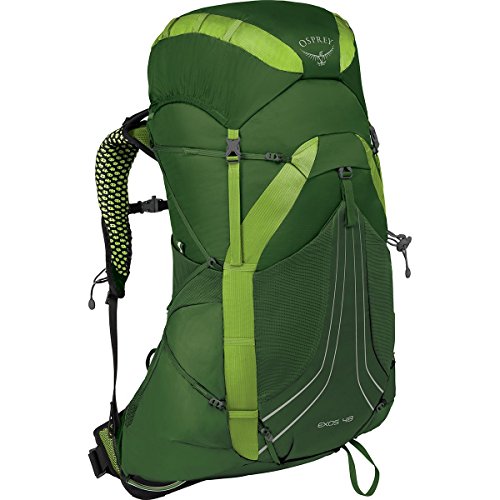
Osprey Exos 48 Men's Backpacking Backpack, Tunnel Green, Large
Amazon.com : Osprey Exos 48 Men's Backpacking Backpack, Tunnel Green, Large : Sports & Outdoors
Check Price on AmazonSleep System: Bag/Quilt, Pad, and Shelter
- Sleeping Bag vs. Quilt: Quilts save weight by removing underside insulation; bags seal in warmth in wind-prone or alpine conditions. Down packs smaller, synthetic tolerates moisture better. Look for accurate EN/ISO ratings and treat them as limits, not guarantees.
- Pad and R-Value: A pad’s R-value determines insulation from ground chill. Temperate trails fare well around R 2–3; shoulder seasons need R 3–4.5; winter demands R 5+. Consider a short pad if ultralight, paired with a pack under your feet.
- Shelter: In bug-free dry seasons, a tarp-and-net bivy or trekking-pole shelter trims grams. In rainy zones, a double-wall tent manages condensation. For hut-to-hut or hostel routes, consider ditching a tent and packing a compact sleep sack instead.
Footwear: Where Rubber Meets Reality
- Trail Runners vs. Boots: Trail runners dry fast and reduce fatigue on maintained trails; boots support ankles on rocky, off-camber, or snowy terrain. If carrying heavier loads, stability helps.
- Sandals & Camp Shoes: Featherweight sandals spare tired feet at camp, double as shower shoes, and work for river crossings in warm climates.
- Socks & Care: Bring two or three pairs of quick-dry hiking socks, rotate, and air-dry at breaks. A dry pair reserved for sleep improves recovery.
Clothing Capsules by Climate & Trip Length
Think in layers that mix and match. A “big three” for clothing—base, mid, shell—covers most climates, with accessories fine-tuning comfort.
Hot & Humid
- Base: Two moisture-wicking tees or lightweight long-sleeves (sun-protective fabric earns its keep). One pair of quick-dry shorts, one light pant for sun, bugs, and temples.
- Mid: Ultralight fleece or breathable sun hoodie for breezy evenings.
- Shell: Featherweight rain shell; packable umbrella for tropical torrents.
- Extras: Wide-brim hat, buff, minimal sleepwear. Consider a sarong or light scarf for modesty, beach cover, and quick shade. Those bound for steamy routes across Thailand, Vietnam, and Indonesia will find region-specific tips in Backpacking Southeast Asia: The Definitive Guide for First-Timers.
Temperate & Variable
- Base: Two tees and one long-sleeve, one hiking pant, one shorts/leggings.
- Mid: A 100–200 weight fleece or active insulated jacket.
- Shell: Reliable rain jacket with pit zips; wind shirt if moving fast.
- Extras: Beanie and glove liners for shoulder seasons; merino socks to extend wear between washes.
Cold or High-Altitude
- Base: Thermal top and bottom plus a daily hiking base.
- Mid: Lofty puffy (down or synthetic), plus a grid fleece for moving.
- Shell: Robust, seam-sealed hardshell.
- Extras: Warm hat, insulated gloves/mitts, neck gaiter. Double up socks and consider vapor barrier liners if conditions warrant.
Rainy Itineraries
- Waterproof-breathable shell with venting; rain skirt or lightweight rain pants.
- Pack cover or liner (nylon dry bags, or a contractor bag as an ultralight liner).
- Quick-dry layers; avoid cotton which saturates and chills.
Trip Length Strategy
- Weekend: One hiking outfit, one dry camp outfit, minimal duplicates.
- Two Weeks: Pack for 5–7 days and wash. Rotate tops; keep bottoms versatile.
- Long-Term: Prioritize durability, repairability, and neutral colors that mix. Ship or store seasonal swaps rather than packing everything.
Toiletries, Health & Meds: Minimalist, Eco, TSA-Savvy
Think decants, solids, and multipurpose. A small, well-curated kit weighs almost nothing yet covers hygiene and health.
- Core Toiletries: Toothbrush with travel cap, toothpaste tabs or decant, solid shampoo/soap, deodorant, moisturizer with SPF, lip balm with SPF, small comb, nail clippers.
- Laundry: A palm-sized dry bag or zip bag, a thimble of concentrated detergent or solid soap flakes, and a braided cord for a clothesline.
- Health & First Aid: Blister prevention and treatment (tape, patches), pain reliever, anti-diarrheal, antihistamine, electrolytes, personal meds with copies of prescriptions, a few sterile dressings, antiseptic wipes, tweezers, tick key if relevant.
- Sun & Bugs: Reef-conscious sunscreen, compact sunglasses case, region-appropriate repellent. Consider a treated buff or permethrin-treated clothing in tick-prone areas.
- Menstrual & Hygiene: Reusables (cup, period underwear) cut waste and repacking stress. Pack a few opaque disposal bags.
- TSA & Security: For flights, follow liquids rules (such as 3-1-1 in the U.S.; limits vary globally). Place liquids in an easy-access pouch. A solid soap bar sidesteps most security lines. Keep meds in original labels for border checks.
Tech, Documents & Money: Power, Backups, and On-Trail Security
Streamlined tech preserves battery and attention for the trail’s real show: wind in the pines, a river’s hush.

Anker Power Bank(PowerCore 10K), Compact Travel-Ready 10,000mAh Battery Pack with PowerIQ Charging Technology, 5V/3A High-Speed Charging for iPhone, iPad,and More (1, Black) : Cell Phones & Accessories
View on Amazon- Power & Charging: Dual-port USB charger, lightweight power bank sized to your off-grid days, short braided cables, and a universal plug adapter. Consider low-power modes and airplane mode; download maps and language packs offline.
- Navigation: Phone with offline topo or trail apps, plus a paper map and mini compass for redundancy. A small headlamp with lockout mode prevents pocket drain.
- Connectivity: eSIMs now simplify arrivals in many countries; for budget-friendly data, compare local prepaid SIMs on arrival. Digital nomads will want a compact keyboard and cloud workflows; find practical remote-work route planning in the Digital Nomad Guide for Backpackers.
- Data Hygiene: 3-2-1 backup mindset—cloud sync; a small, encrypted drive; and originals on-device. Lock devices with PIN/biometric.
- Documents: Passport (valid 6+ months), visas where required, vax records, travel insurance details, onward-travel proof if needed. Store scans in a hidden cloud folder and carry paper copies.
- Money: Two cards stored separately, a small reserve of local cash, and a decoy wallet only if you feel it helps in crowded transit. A slim belt pouch or internal jacket pocket keeps valuables close without broadcasting them.
- Security: Tiny cable lock for hostel lockers, simple luggage lock, and a short accessory strap to tether your bag on night buses.
Packing Organization & Weight-Saving Hacks
A tidy pack saves time and mental bandwidth.
- System Over Stuff: Organize by function—sleep, clothing, kitchen, quick-grab. Color-code dry bags for instant identification.
- Compression Wisely: Use compression only on soft items (sleep clothes, puffy in a protective sack). Avoid crushing high-loft insulation for long periods.
- Cubes & Sacks: One cube for clean clothes, one for laundry. Dry bags double as bear-bagging liners or riverproofing.
- Footwear Strategy: Wear the bulkiest pair on travel days; pack one lighter alternate. If on the fence between a second shoe and sandals, the latter often deliver more utility per gram.
- Ditch Duplicates: One spoon (or spork), not a full utensil drawer. One mug that also serves as a bowl. One versatile knife, not a toolkit.
- Micro-Repairs: Ten inches of tape wrapped around your trekking pole or bottle, a needle and heavy thread, a few zip ties, a tiny tube of seam sealer—small weight, big peace of mind.
- Laundry Rhythm: Quick rinse at day’s end keeps the kit fresh. In humid climates, wash early so garments dry by night.
For travelers optimizing for cost as well as grams—whether choosing hostels with free laundry or deciding what to rent versus bring—the strategies in Budget Travel: A Backpacker’s Guide to Smart, Stylish Savings dovetail neatly with this ultralight approach.
Backpacking Packing List: Sample Checklists and Printables
Use these sample lists as modular templates. Print, annotate, and adapt to terrain and season. The term “core” indicates items least likely to be cut; “optional” suits specific conditions or preferences.
Weekend (2–3 days)
- Core Gear: 35–45L pack; sleeping bag/quilt appropriate to season; pad (R 2–3); compact shelter or hut/hostel sleep sack; headlamp; small first-aid kit; filter or purification tabs; 1–2L bottles or soft flasks.
- Clothing: Hiking top; hiking bottom; spare base layer; fleece or light puffy; rain shell; hat; 2–3 pairs socks; sleepwear.
- Footwear: Trail runners/boots; lightweight sandals (optional).
- Kitchen: Stove and tiny fuel (if required), lighter, metal mug/bowl, spoon, small food bag, trash bag.
- Toiletries: Toothbrush/paste tabs; solid soap; mini sunscreen; lip balm; minimal meds.
- Tech & Docs: Phone with offline maps; charger; power bank (small); ID; card; some cash; insurance details.
Two Weeks (carry-on friendly)
- Core Gear: 40–45L pack sized to airline limits; bag/quilt; pad; rainproof pack liner; compact shelter or booking strategy for roofs on storm nights.
- Clothing: 3 tops (two short, one long), 2 bottoms (pant + short/legging), 4–5 underwear, 3 socks, fleece and puffy (or active insulation), rain shell, packable umbrella in monsoon zones, sleepwear, buff/hat.
- Footwear: Primary hikers + sandals; blister kit.
- Toiletries: Solids/decants; refillable bottles; travel-sized laundry setup; basic meds; sunscreen/repellent.
- Tech & Docs: Universal adapter; dual-port charger; mid-size power bank; cables; eSIM plan or local SIM strategy; passport, visas, insurance; copies in cloud.
Long-Term (multi-month, multi-climate)
- Core Gear: 45–55L pack; modular sleep system; liner; pad with R-value for coldest expected night; shelter if backcountry camping is likely.
- Clothing: 5–7 days’ worth, focusing on neutral layers: 3–4 tees, 1–2 long-sleeves, 2 pants (one can convert/roll), 1 short/legging, 5–7 underwear, 4 socks, fleece, midweight puffy, robust rain shell, beanie/gloves for shoulders, compact swimwear, scarf/sarong.
- Footwear: Primary hikers; sandals; optional city shoe if mixing urban time; consider resolable options.
- Toiletries & Health: Refill routine; solid formats when possible; broader first-aid including backup meds and rehydration salts.
- Tech & Docs: Cloud-first workflows; small encrypted SSD; international banking with fee-light cards; local cash stash; paper copies of key docs.
Digital Nomad Variant
- Core Additions: Ultralight laptop/tablet; compact Bluetooth keyboard/mouse; privacy screen; travel surge protector with USB; noise-isolating earbuds.
- Data & Backup: Encrypted SSD; automated cloud backup; 2FA devices or codes printed and sealed.
- Workspace Comfort: Folding stand; blue-light glasses if sensitive; small microfiber cloth for screens.
- Comms: eSIM for instant data on touchdown; messaging apps with offline voice notes for patchy coverage.
Those blending work and wandering will find route planning, co-working hubs, and visa-savvy tactics in the Digital Nomad Guide for Backpackers.
Before You Go: Timeline, Airline Rules, Border Entry, and a Pre-Departure Checklist
Timeline
- 4–6 Weeks Out: Test-hike your packed bag for an hour; trim what you don’t touch. Check passport validity (6+ months), visa requirements, immunizations, and travel insurance details. Order any maps or permits.
- 2–3 Weeks Out: Refine decants, break in footwear, confirm electronics and adapters. Scan documents to the cloud.
- 1 Week Out: Freeze water bottle tests (leak checks), confirm weather for first destination, re-pack with trip-specific choices.
- 24–48 Hours: Verify airline baggage allowances, weigh the pack, download offline maps, and set out travel clothes.
Airline Rules & Logistics
- Carry-on vs. Checked: Regional airlines often enforce smaller dimensions and stricter weight limits. If checking a pack, protect straps (tuck or wrap) and avoid leaving gear dangling.
- Batteries: Power banks typically must go in carry-on; check watt-hour limits.
- Liquids: Adhere to local security rules; keep toiletries accessible for screening.
Border Entry Tips
- Visas & Onward Travel: Some countries require proof of onward travel and sufficient funds. Confirm details from official sources.
- Medications: Carry original packaging and a doctor’s note for controlled substances. Know local rules for common meds.
- Customs: Be transparent about camping gear if asked; some parks require permits for stoves or fuel.
Pre-Departure Checklist
- Documents: Passport, visas, insurance, copies (paper + cloud), emergency contacts.
- Money: Two cards (separate locations), cash (home + local if possible), PINs memorized.
- Health: Personal meds, vaccinations recorded, small first-aid, sunscreen/repellent.
- Tech: Chargers, adapter, power bank, offline maps and translations, backups verified.
- Gear: Pack weighed and fitted; core five optimized; straps secured for transit; locks/cable.
- Home: Mail hold, bills set to auto-pay, location sharing with a trusted contact.
The Image to Carry Forward
Picture the end of a long day: boots unlaced, steam curling from a cup as the last light braids gold through the trees. A good backpacking packing list fades into the background here—quietly doing its job—so that what remains is the rhythm of footfalls, the glow of dusk, and the knowledge that everything needed is right where it should be.
For those plotting big routes after nailing their kit, dive into regional planning and budgeting to stretch miles and money—the practical advice in Backpacking Southeast Asia: The Definitive Guide for First-Timers and Budget Travel: A Backpacker’s Guide to Smart, Stylish Savings pairs seamlessly with this gear-first blueprint.
Recommended Travel Gear
The Ultimate Hiker's Gear Guide, Second Edition
The Ultimate Hiker's Gear Guide: <strong>Tools and Techniques to Hit the Trail</strong> by Andrew Skurka (2012) Hardcover
Osprey Exos 48 Men's Backpacking Backpack, Tunnel Green, Large
Amazon.com : Osprey Exos 48 Men's Backpacking Backpack, Tunnel Green, Large : Sports & Outdoors
Anker Power Bank(PowerCore 10K), Compact Travel-Ready 10,000mAh Battery Pack with PowerIQ Charging Technology, 5V/3A High-Speed Charging for iPhone, iPad,and More (1, Black) : Cell Phones & Accessories
Anker Portable Charger, <strong>10,000mAh 30W Power Bank, USB-C in and Out Fast Charging Battery Pack, Travel Essential Phone Power Bank, for iPhone 17/16, Galaxy and More</strong> (Black, 10000.00, M