

Vietnam Adventure Essentials: Where to Go, When to Go, and How to Do It Safely
From caves and karst to kites and canyons, this expert guide maps Vietnam’s top outdoor adventures—when to go, what it costs, and how to do it safely.
Mood
Adrenaline Escape
At first light in the far north, a pale ribbon of cloud snags on limestone spires and the road unfurls like a dragon’s tail. A motorbike hums through the cool air, past rice terraces stitched into the hillsides and Hmong villages warming to the day with woodsmoke and the scent of pho. This is the Vietnam adventure many imagine—raw, cinematic, and eminently accessible. From caves the size of cathedrals to wind-whipped dunes and granite sea stacks, adventurous outdoor activities in Vietnam reward those who chase the horizon with both adrenaline and depth of experience.
The Best Adventurous Outdoor Activities in Vietnam, Region by Region
Sapa & the Northern Highlands: Trekking and Homestays
High on the Tonkinese Alps, Sapa is a symphony of green—terraces ripple down to river valleys where water buffalo wallow and women in indigo-dyed skirts sell handwoven textiles. Trekking here is as much about human encounters as views: Red Dao herbal baths, cardamom-drying racks, and evening rice wine toasts in wooden stilt homes.
- Difficulty: Easy to strenuous depending on route (4–20 km per day; steep, uneven paths)
- Skills/Fitness: Basic hiking fitness; comfort with mud and slick stone steps in rainy months
- Essential Gear: Lightweight waterproofs, trail shoes with grip, trekking poles, headlamp, insect repellent
- Guided/Permits: Guides strongly recommended for off-the-beaten-path routes; no special permits, but respect community rules
Logistics: From Hanoi, overnight train or highway bus to Lao Cai, then a winding transfer to Sapa. Best trekking conditions are September–November (harvest gold hills) and March–May (crisp, clear). December–February can be cold and misty; June–August is lush but muddy with afternoon storms.
Curated stay: The Topas Ecolodge crowns a private ridge in the Hoang Lien foothills, with stilted stone bungalows and a pool that appears to spill into infinity—an indulgent base that still feels close to the mountain rhythm.
Ha Giang Loop: Mountain Motorbiking on the Edge of the Sky
North of Sapa, the Ha Giang Loop delivers Vietnam’s most dramatic road riding: hairpins blasted into karst cliffs, villages clinging to pale green bowls of corn, and the Đồng Văn Karst Plateau unfolding in origami folds.
- Difficulty: Moderate to advanced (narrow roads, steep switchbacks, gravel patches)
- Skills/Fitness: Confident motorbike handling essential; beginners should ride pillion with an experienced driver
- Essential Gear: DOT/ECE-certified helmet, gloves, jacket with armor, rain layer, first-aid kit, phone mount with offline maps
- Guided/Permits: Border-area travel permits are sometimes required and easily arranged by rental shops or homestays; guided “easy rider” loops recommended for novices
Logistics: Buses from Hanoi reach Ha Giang in 6–7 hours. Classic loops take 3–5 days. Dry, clear riding is most reliable October–April; summer brings sublime greens but also slick roads and occasional landslides. Verify insurance covers motorbiking with the correct license classification and consider booking through Vietnam Unlocked: A Curated Guide to Exclusive, Bespoke Tours if you want vetted guides and support vehicles.
Cát Bà & Hạ Long: Granite Climbing and Sea Kayaking
In the Gulf of Tonkin, limestone towers puncture jade water and hidden lagoons echo with kingfisher calls. Base yourself on Cát Bà Island, where honey-colored crags rise above emerald coves and kayaks slide into labyrinthine caves.
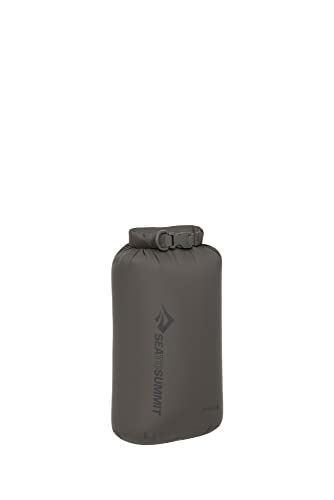
Sea to Summit Lightweight Dry Bag, Multi-Purpose Dry Storage, 1.5 Liter, Beluga Grey
View on Amazon- Difficulty: Kayaking easy to moderate; rock climbing moderate to advanced (routes from 5a to 7c)
- Skills/Fitness: Comfort on moving water; basic climbing technique for top-rope; lead climbers should be experienced on limestone
- Essential Gear: Dry bag, reef-safe sunscreen, water shoes; climbing shoes and helmets (rentable on-island)
- Guided/Permits: Guided trips recommended for tides, access logistics, and safe route selection; deep-water soloing permitted only in designated zones when conditions allow
Logistics: From Hanoi, it’s 3.5–4 hours via bus–boat–bus or a faster ferry from Hải Phòng. Best months are March–May and September–November for clear skies and calm seas; June–August can be glorious but storm-prone; January–February often cool and misty.
Phong Nha–Kẻ Bàng: Caving in Otherworldly Karst
The planet’s densest system of ancient karst lies beneath jungle-draped hills near Phong Nha, where rivers disappear into obsidian mouths and chambers vaulted as cathedrals glow in torchlight. Multi-day expeditions wade subterranean rivers, camp on pale sandbars, and thread through formations frozen like time itself.
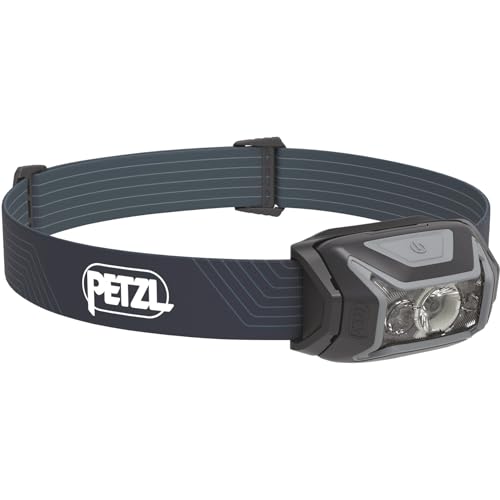
PETZL, Actik Lamp Black
View on Amazon- Difficulty: Moderate to very strenuous, depending on cave (from family-friendly show caves to multi-day expeditions)
- Skills/Fitness: Sure footing on slick rock; for advanced trips, solid hiking stamina, comfort with waist-deep water, and basic scrambling
- Essential Gear: Headlamp, quick-drying layers, sturdy water shoes; outfitters supply helmets, harnesses, and camping gear
- Guided/Permits: Mandatory guide for all wild caves; the largest expeditions (e.g., Sơn Đoòng) are limited to authorized operators and must be booked far in advance
Logistics: Overnight buses from Hanoi or trains to Đồng Hới with a 45-minute transfer. Prime season is February–August; heavy rains in October–December can flood caves and close routes.
Đà Lạt: Mountain Biking and Canyoning on the Langbiang Plateau
Pine forests, cool air, and coffee plantations define Đà Lạt’s highland charm. Trails switch from red-dirt singletrack to farm lanes with distant mountain ridgelines, while canyoning ventures drop into emerald pools beneath veils of white water.
- Difficulty: Biking easy to advanced; canyoning moderate to advanced (rappels 10–25 m)
- Skills/Fitness: For biking, basic off-road handling; for canyoning, comfort in water and with exposure; strong core helps
- Essential Gear: Sturdy MTB or rental, gloves; for canyoning, wetsuit, harness, helmet (operators provide); quick-dry layers
- Guided/Permits: Guided canyoning is essential—choose operators with internationally recognized training (IRATA/ICOpro) and proper safety ratios
Logistics: Đà Lạt (DLI) is an easy flight from Hanoi or Ho Chi Minh City, or an overnight bus from the coast. Year-round pleasant temperatures; rain peaks May–October and can pause canyoning on stormy days. After trail days, the Ana Mandara Villas Đà Lạt Resort & Spa spreads across a hillside of restored French villas, all creaky floors and fragrant pines—a graceful retreat for sore legs.
Mũi Né: Kitesurfing on the Trade Winds
A cinnamon-tinged breeze ticks the palms along a scythe of sand. Offshore, colorful kites stitch the sky as riders carve butter-smooth lines. Reliable winds and warm water have made Mũi Né one of Southeast Asia’s kitesurf hubs.
- Difficulty: Beginner lessons to expert wave riding
- Skills/Fitness: Comfort swimming; lessons strongly advised for newcomers and those returning after long breaks
- Essential Gear: Rashguard, booties if launching over shells; schools supply kites, boards, harnesses, and helmets
- Guided/Permits: Lessons through IKO-certified schools recommended; observe local launch rules and right-of-way etiquette
Logistics: 4–5 hours by highway bus from Ho Chi Minh City, or train to Phan Thiết. Wind peaks November–April; mornings are gentler for learners, afternoons ramp up for advanced riders.
Nha Trang & Côn Đảo: Diving and Snorkeling from Reefs to Rays
On the central and southern coasts, clear water wraps coral gardens alive with parrotfish, nudibranchs, and the occasional turtle glide. Nha Trang is the country’s training ground with myriad dive schools; Côn Đảo, a scattered archipelago, delivers fewer crowds and healthier reefs, with seasonal chances to see green turtles and pelagics.
- Difficulty: Snorkeling easy; scuba from beginner to advanced drift dives
- Skills/Fitness: Basic swimming; scuba certification (PADI/SSI) for fun dives; Discover Scuba available in calm bays
- Essential Gear: Reef-safe sunscreen, long-sleeved rashguard; dive gear typically included
- Guided/Permits: Always dive with certified centers; marine parks enforce no-take zones—respect closures and briefings
Logistics: Nha Trang (CXR) is a quick flight from Hanoi/HCMC or an overnight train with sea views. Best diving April–October. Côn Đảo sees its clearest windows February–July; reach it via short flights from Ho Chi Minh City. For a castaway coda, the Poulo Condor Boutique Resort & Spa settles between jungle and tide line, its low-slung pavilions ideal for rinsing salt from hair and unspooling time.
When to Go, Trip Lengths, Costs, and How to Get There
Vietnam stretches over 1,600 kilometers, and weather swings by latitude and elevation shape every adventure. Time your trip, then stack activities by season to make the most of it.

Lonely Planet Vietnam 14 (Travel Guide): Stewart, Iain, Atkinson, Brett, Bush, Austin, Eimer, David, Ray, Nick, Tang, Phillip
<strong>Lonely Planet Vietnam 14</strong> (Travel Guide) [Stewart, Iain, Atkinson, Brett, Bush, Austin, Eimer, David, Ray, Nick, Tang, Phillip] on Amazon.com. *FREE* shipping on qualifying offers. <st
Check Price on AmazonBest seasons by region:
- Northern Mountains (Sapa, Ha Giang): September–November and March–May for cool, clear trekking and riding. December–February can be cold and foggy; June–August is green but rainy with slippery trails.
- Hạ Long & Cát Bà: March–May, September–November for calm paddling and climbing. Summer brings heat and occasional storms; winter can be chilly and misty.
- Phong Nha: February–August is prime; October–December often sees flood-related closures.
- Đà Lạt: Mild year-round; wettest May–October can disrupt canyoning.
- Mũi Né: Best winds November–April; lighter winds in summer still suit beginners.
- Nha Trang: April–October for clearer diving; winter swells and currents reduce visibility.
- Côn Đảo: February–July clearest seas; August–November can be rougher.
Typical trip lengths and cost ranges (per person, indicative):
- Sapa trekking and homestays: 2–4 days; $30–$60 per day including homestay meals; porters extra
- Ha Giang Loop motorbiking: 3–5 days; bike rental $7–$30/day; guided “easy rider” packages $75–$120/day including lodging and fuel
- Cát Bà kayaking/climbing: Half- to full-day kayak $10–$25; guided climbing $40–$80
- Phong Nha caving: Half-day to 4 days; easy caves $25–$60; Tu Lan/Hang En $150–$400; Sơn Đoòng $3,000+ (book a year out)
- Đà Lạt canyoning/MTB: Day tours $45–$90 including gear and lunch
- Mũi Né kitesurfing: Lessons $60–$100/hour; gear rental $20–$40/day
- Nha Trang/Côn Đảo diving: Two-tank fun dive $70–$120; Open Water course $350–$500
Getting there efficiently:
- Sapa: Hanoi to Lào Cai by overnight train (berths) or 5–6 hour express bus; transfer up the pass to town.
- Ha Giang: 6–7 hour bus from Hanoi; overnight options maximize riding time.
- Cát Bà: Bus–ferry–bus combos from Hanoi; alternative via Hải Phòng speedboat.
- Phong Nha: Night bus direct; or train/flight to Đồng Hới, then 45-minute transfer.
- Đà Lạt: Domestic flights (DLI) or overnight bus from the coast.
- Mũi Né: 4–5 hour bus from Ho Chi Minh City or train to Phan Thiết with short taxi.
- Nha Trang: Flights to Cam Ranh (CXR) or Reunification Line trains; Côn Đảo via short hop flights from HCMC.
Operator standards and certifications to seek:
- Caving: Only book wild-cave expeditions with licensed outfitters; the largest routes are limited to a single authorized company—accept no substitutes.
- Canyoning/Climbing: Ask for IRATA/ICOpro or equivalent training, CE-rated gear, low guide-to-guest ratios (1:4–1:6), and seasonal cancellation policies for heavy rain.
- Diving: Choose PADI/SSI centers, verify recent equipment servicing, and ask about marine park fees and conservation practices.
- Kitesurfing: IKO-affiliated schools should include radios, helmets, and clear beach briefings.
For travelers mapping a longer route, The Essential Vietnam Backpacking Route: 2–6 Week North-to-South Guide is a practical backbone, with detours into every adventure hub you’ve just read about. Consult it here: The Essential Vietnam Backpacking Route: 2–6 Week North-to-South Guide.
Safety, Risk Management, and Responsible Travel
Adventurous outdoor activities in Vietnam are best enjoyed with foresight. A few practices turn risk into managed challenge and protect the places that make these experiences special.
Emergency planning and medical care:
- Save key numbers: 112 (search and rescue), 113 (police), 114 (fire), 115 (ambulance). Coverage in remote mountains can be patchy; guides often coordinate local support faster than urban dispatch.
- Know your nearest hospital: Lào Cai for Sapa; Ha Giang City for the loop; Hải Phòng for Cát Bà; Đồng Hới for Phong Nha; Đà Lạt for canyoning; Nha Trang’s international clinics; limited facilities on Côn Đảo with evacuation to the mainland when needed.
- Insurance: Ensure policies explicitly cover motorbiking (with the correct license class), canyoning, rock climbing, caving, and scuba. Many general policies exclude two-wheeled incidents. For divers, consider a specialist plan that includes evacuation.
Motorbike reality check:
- Ride within sightlines, never at night in the mountains, and assume gravel in blind corners. Inspect rental bikes (brakes, tires, lights), photograph pre-existing scratches, and wear a proper full-face helmet, not a novelty shell.
- Licensing: An International Driving Permit (1949 Convention) plus a home-country motorcycle endorsement is often required for insurance validity. Without it, coverage can be void.
Weather and seasonal calls:
- Respect closures: Canyoning and caves shut during heavy rain or flood—this protects both guests and fragile karst systems.
- Typhoon watch: Central coast routes can be impacted September–November; monitor forecasts and be flexible.
Environmental practices:
- Caves: Do not touch formations—oils halt calcite growth. Pack out every scrap; even fruit peels alter cave ecosystems.
- Reefs: Use reef-safe sunscreen, maintain perfect buoyancy, and never stand on coral. Refuse plastic straws on boats.
- Trails: Stick to established paths to prevent terrace erosion. In Hạ Long, choose operators who collect trash and avoid single-use plastics.
Cultural and ethical engagement:
- Homestays: Remove shoes at the threshold, accept a small toast of rice wine (or politely decline with a smile), and dress modestly in village spaces.
- Photography: Always ask before photographing people; in ethnic minority communities, consent is more than courtesy.
- Buying local: Support artisans by purchasing directly from co-ops rather than encouraging child street selling. Offer school supplies to community centers instead of gifting candy.
Solo and first-timer considerations:
- Vietnam is among the region’s more approachable adventure destinations, but solo travelers still benefit from clear risk assessment and smart habits. For real-world tips on navigating buses, scams, and boundaries, see Is Southeast Asia Safe for Solo Travelers? A Backpacker’s Real-World Guide.
- Health prep matters: Verify routine immunizations and region-specific advice before traveling; our primer on shots, malaria prophylaxis considerations, and what to pack in your med kit is here: Vaccinations for Southeast Asia: What You Need Before You Travel.
Finally, remember that adventurous outdoor activities in Vietnam unfold within living landscapes. Guides are custodians as much as experts, and your fees, choices, and footprints ripple outward. Choose operators who hire locally, limit group sizes, and give back to communities and conservation.
The Lasting Image
A canyon’s cold spray on sun-warmed skin. The muffled hush of a cave where millennia drip in the dark. A kite drawing arcs against a tangerine dusk. Vietnam’s great outdoors rewards curiosity with momentum—each bend, bay, and bend in the river revealing another way to move through it. Come ready, tread lightly, and the country will meet you with a thousand shades of wild.
Planning custom support, logistics, and vetted guides across regions? Start with our curated resource: Vietnam Unlocked: A Curated Guide to Exclusive, Bespoke Tours.
Recommended Travel Gear
Lonely Planet Vietnam 14 (Travel Guide): Stewart, Iain, Atkinson, Brett, Bush, Austin, Eimer, David, Ray, Nick, Tang, Phillip
<strong>Lonely Planet Vietnam 14</strong> (Travel Guide) [Stewart, Iain, Atkinson, Brett, Bush, Austin, Eimer, David, Ray, Nick, Tang, Phillip] on Amazon.com. *FREE* shipping on qualifying offers. <st
Sea to Summit Lightweight Dry Bag, Multi-Purpose Dry Storage, 1.5 Liter, Beluga Grey
The oval base of the Sea to Summit Lightweight Dry Bag resists rolling and its flat, streamlined shape saves space. A patent pending field repair buckle can be replaced in seconds with a Phillips scre
PETZL, Actik Lamp Black
PETZL ACTIK CORE Rechargeable Headlamp - 600 Lumens - Grey · PETZL TIKKINA Headlamp - Compact, Easy-to-Use 300 Lumen Headlamp, Designed for Hiking, Climbing, Running, and Camping · PETZL ACTIK Headlam