

The Essential Vietnam Backpacking Route: 2–6 Week North-to-South Guide
From Hanoi’s lantern-lit alleys to the Mekong’s dawn markets, this 2–6 week Vietnam backpacking route blends mountains, heritage towns, beaches, and slow-river days.
Mood
Epic Overland Journey
At dawn in Hanoi’s Old Quarter, kettles whistle and rice porridge steams in enamel bowls while scooters yawn awake in a soft, synchronized hum. The air smells of star anise and charcoal; the pavements gleam from an overnight rinse. For many, this is the first taste of a Vietnam backpacking route that curls from mist-lashed mountains to lantern-lit riversides and onward to tropical deltas—the classic north-to-south odyssey where every overnight ride seems to deposit travelers in a different world.
Why Vietnam Is a Must for Backpackers
Vietnam binds wild landscapes, deep-rooted tradition, and kinetic city life into a remarkably wallet-friendly package. The spine of the country stretches more than 1,600 kilometers, yet distances compress into efficient trains, sleeper buses, and short flights. Northern karst peaks fold into terraced rice valleys; imperial capitals give way to tailor ateliers; fishing villages yield to coffee-soaked highlands and, finally, the slow-drip rhythm of the Mekong.

Lonely Planet Vietnam 14 (Travel Guide): Stewart, Iain, Atkinson, Brett, Bush, Austin, Eimer, David, Ray, Nick, Tang, Phillip
<strong>Lonely Planet Vietnam 14</strong> (Travel Guide) [Stewart, Iain, Atkinson, Brett, Bush, Austin, Eimer, David, Ray, Nick, Tang, Phillip] on Amazon.com. *FREE* shipping on qualifying offers. <st
Check Price on Amazon- Culture and history: From Confucian temples and Cham ruins to French villas and wartime relics, the country’s past is inscribed on streets and citadels. Culinary traditions run deep—think fresh herbs, fermented fish sauce, brothy soups, and regional specialties like bun cha in Hanoi or cao lau in Hoi An.
- Budget bliss: Dorm beds from $5–12, street eats for $1–3, intercity buses $10–25, and excellent coffee for less than a dollar keep costs in check. A savvy traveler can live well on $30–45 per day, and splurge thoughtfully without shattering the budget.
- Seasons made simple: Vietnam’s length creates three distinct weather zones.
- North (Hanoi, Ha Giang, Sapa, Ninh Binh): Cool/dry Nov–Mar, warm and humid Apr–Jun; heaviest summer rains Jul–Aug. Crisp skies and green terraces in late Sep–Nov can be sublime.
- Central (Hue, Hoi An, Quy Nhon, Nha Trang): Drier Feb–Aug, with peak heat May–Aug; rainy/typhoon-prone Sep–Nov.
- South (Da Lat, Mui Ne, Ho Chi Minh City, Mekong Delta): Dry Nov–Apr, wet May–Oct with brief daily downpours.
For first-timers building confidence or extending a regional journey, this route dovetails naturally with broader Southeast Asia circuits—see our primer for Backpacking Southeast Asia: The Definitive Guide for First-Timers.
How Long Do You Have? Quick Plans for 2, 3, and 4+ Weeks
The right rhythm matters as much as the right map. Vietnam rewards a pace that invites a morning market wander, a mid-day nap, and a twilight bowl of noodles before an overnight ride—a cadence that keeps curiosity high and burnout low.
- 2 weeks (fast but focused): Pick the classic Hanoi-to-HCMC spine and make tough choices. Prioritize Hanoi (2–3 nights), either Ha Giang or Sapa (3 nights), Ninh Binh (2 nights), Hoi An via Hue (3–4 nights total), then HCMC and a Mekong day trip (2–3 nights). Expect two overnighters and one domestic flight to keep it smooth.
- 3 weeks (balanced sweet spot): Add Ha Long/Cat Ba (2–3 nights), keep both Hue and Hoi An, and swing through either Quy Nhon/Nha Trang or Da Lat/Mui Ne before finishing in HCMC. Two or three overnight rides max and one flight.
- 4–6 weeks (unhurried deep-dive): Build in rest days, sunrise hikes, and village stays. Do the full mountain arc (Ha Giang and Sapa), cruise in Ha Long Bay, then savor the central coast pauses before detouring to Da Lat and Mui Ne. End with a two-night Mekong loop.
For big-picture timing across the region, tap our planner on How Long Should You Travel Southeast Asia? 10-Day to 3-Month Itineraries.
The Essential Vietnam Backpacking Route: North to South
Below is a realistic, day-by-day arc from Hanoi to the Mekong, with optional detours in the highlands and along the coast. Timings reflect travel realities: mountainous roads take longer; trains roll slower but steadier; weather and holidays can compress availability.
Hanoi (2–3 nights)
- Essence: A city of lakes and ladders of alleys, where temple bells mingle with café chatter and bia hoi foam clings to glass rims.
- Highlights: Old Quarter street food tour, Temple of Literature, Hoan Kiem Lake dawn walk, rail-street coffee, a modern art fix at the Fine Arts Museum, sunset at West Lake.
- How long: Two full days minimum; three if jet-lagged or eager to wander.
- Getting in/out: International flights land at Noi Bai. Overnight buses and trains fan north and south. Book onward train seats early in peak seasons and around Tet.
Ha Giang Loop or Sapa (3–4 nights)
Choose one for a 2-week plan; do both with more time.
- Ha Giang Loop (3–4 days): A ribbon of road curling past limestone cathedrals and vertiginous rice terraces, with cloudbanks snagging on knife-edge ridges. Travelers ride pillion with local drivers or self-ride if experienced. Sleep in homestays around Dong Van and Meo Vac, eat bowls of shank-and-herb pho at dawn.
- Logistics: 6–7 hours by bus from Hanoi to Ha Giang city. Guided loops run 3–4 days; weather can be misty Dec–Feb and stormy Jul–Aug.
- Sapa (2–3 days): Terraced valleys stitched by Black Hmong and Red Dao communities, with soft trekking and cozy homestays.
- Logistics: Night train or sleeper bus from Hanoi to Lao Cai, then a 1-hour minibus. Best post-harvest golds in Sep–Oct; crisp views late Oct–Dec.
Ninh Binh (2 nights)
- Essence: The “inland Ha Long,” where karst towers grow from rice paddies and oars glide through grottoes.
- Highlights: Trang An boat route, Mua Cave viewpoint hike, Bich Dong Pagoda, cycling through Tam Coc.
- Logistics: 2–3 hours by train or bus from Hanoi; onward sleeper to Hue or buses to Cat Ba if reversing the order.
Ha Long Bay/Cat Ba Island (2–3 nights)
- Essence: A dreamscape of limestone pillars drifting in jade water, best appreciated from a deck with sea breeze on the skin.
- Options: Day cruise from Tuan Chau/Ha Long City, 2D1N or 3D2N boat with kayaking and caves, or base on Cat Ba for independent forays into Lan Ha Bay.
- Logistics: 2–3 hours from Hanoi to Ha Long or Hai Phong, then boat transfers to Cat Ba. Weather is brisk Dec–Feb; luminous Apr–May and Oct–Nov. For an elevated splurge or private charter, browse inspiration in Vietnam Unlocked: A Curated Guide to Exclusive, Bespoke Tours.
Hue (2 nights)
- Essence: Vietnam’s poetic heart—purple city on the Perfume River, mandarins’ tombs shaded by pines.
- Highlights: Imperial Citadel, royal tombs of Minh Mang and Khai Dinh, bun bo Hue, a sunset dragon boat ride.
- Logistics: Night train from Ninh Binh/Hanoi (12–14 hours) or short flight to nearby Da Nang with a 2-hour transfer. Typhoons possible Sep–Nov.
Hoi An (2–3 nights)
- Essence: Lantern-lit Old Town where Japanese, Chinese, and Vietnamese legacies braid together over tailor shops and tea houses.
- Highlights: Cooking class and countryside cycle, An Bang Beach day, My Son Cham ruins at dawn, riverside cao lau and white rose dumplings.
- Logistics: 3 hours by train and bus from Hue via Da Nang; the Hai Van Pass route is a scenic standout by motorbike transfer.
Quy Nhon or Nha Trang (2 nights)
- Quy Nhon: Quiet crescents of beach, fishing hamlets, Cham towers. Think hammock time and seafood grilled over coconut husks.
- Nha Trang: Busier, with sweeping bay, island-hopping, and a lively night scene. Offshore, reefs and calm water make for easy snorkel days.
- Logistics: 6–8 hours by daytime train from Da Nang; night trains are convenient. Weather is sunniest Feb–Aug.
Da Lat (2 nights)
- Essence: Cool pine-scented highlands wrapped in coffee farms and waterfalls; an ex-colonial hill station with bohemian bars.
- Highlights: Canyoning, coffee farm visits, Truc Lam Zen Monastery, market strawberries and avocado ice cream.
- Logistics: 3–4 hours by bus from Nha Trang or 6–7 from HCMC; roads wind, so motion-sickness meds help.
Mui Ne (1–2 nights)
- Essence: Sea-breeze village with rust-red and white dunes, tidal pools, and kites arcing like bird kites above the surf.
- Highlights: Sunrise dune run, fish market stroll, fresh scallops seared to order.
- Logistics: 4–5 hours by bus from Da Lat or 5–6 from HCMC.
Ho Chi Minh City (2–3 nights)
- Essence: A city of momentum—neon, rooftop breezes, and an entrepreneurial beat pulsing through alleys and co-working spaces.
- Highlights: War Remnants Museum, Notre Dame and Central Post Office, pho and broken rice feasts, District 1 cocktail bars, a Vespa night food tour.
- Logistics: Reunification Express trains arrive at Saigon Station; Tan Son Nhat handles frequent domestic hops.
Mekong Delta (1–2 nights)
- Essence: A waterworld of orchards and markets where mornings begin with oars and pineapples passed from boat to boat.
- Bases: Can Tho (Cai Rang floating market), Ben Tre (quiet river canals), Chau Doc (border staging to Cambodia).
- Logistics: 3–4 hours by bus from HCMC; easy day trips, but an overnight rewards with dawn-on-the-water scenes.
Suggested cadence for 3 weeks: Hanoi (3) → Ha Giang or Sapa (3) → Ninh Binh (2) → Cat Ba/Ha Long (2) → Hue (2) → Hoi An (3) → Quy Nhon or Nha Trang (2) → Da Lat (2) → HCMC (3) → Mekong (1). Adjust by season: skip typhoon-prone central stops in Oct–Nov or swap Nha Trang for the highlands.
Three Alternative Routes—and Who They Suit
- Northern Highlands Deep-Dive (12–16 days): Hanoi → Ha Giang Loop (4) → Dong Van/Meo Vac buffer (1) → Ba Be Lake (2) → Cao Bang/Ban Gioc Falls (2) → Sapa (3) → Ninh Binh (2). For trekkers and landscape photographers, especially Sep–Nov when terraces glow and skies clear. Cooler nights; pack layers.
- Central Vietnam Focus (10–14 days): Fly into Da Nang → Hue (2) → Phong Nha caves (2–3) → Hoi An (3–4) → Quy Nhon (2) → Nha Trang (2). Best Feb–Aug when seas are calm. Combines imperial history, world-class karst caverns, and mellow beaches with minimal backtracking.
- Southern Circuit and Mekong Loop (10–12 days): HCMC (3) → Can Tho/Ben Tre (2) → Chau Doc/Sam Mountain (1–2) → Phu Quoc Island (3–4) → HCMC (1). Ideal Nov–Apr for dry, sunny island days. Suits travelers who prefer warm seas, slower transport days, and seafood feasts.
Transport & Logistics: Trains, Buses, Flights, Ferries, and Motorbikes
- Trains: The Reunification Express links Hanoi and HCMC with scenic coastal stretches between Da Nang and Hue. Soft-sleepers are comfortable; book lower berths for ease. Day trains offer window drama; nights save on accommodation. Expect 12–14 hours Hanoi–Hue, 16–18 hours Da Nang–HCMC.
- Sleeper buses: A backbone of the backpacker circuit. Newer buses feature semi-reclining berths; keep valuables close, and confirm pickup points. Night runs are efficient on straighter southern legs; mountain roads (to Ha Giang or Da Lat) can be winding.
- Domestic flights: Useful time-savers, especially Hanoi–Da Nang or Hue–HCMC. Vietnam Airlines, VietJet Air, and Bamboo Airways run frequent routes. Check baggage policies—low-cost carriers can sting on extras.
- Ferries and fast boats: Hai Phong–Cat Ba and Ha Long–Cat Ba are straightforward; weather can pause services in storms. The Mekong hosts small-boat shuttles; Phu Quoc is served by fast ferries from the mainland (if opting for the southern island add-on).
- Motorbike vs. public transport: Riding the country is a rite of passage for some, but traffic can be chaotic near cities and conditions variable in the mountains. Confident riders should carry an International Driving Permit, wear proper gear, and plan shorter daily distances. The alternative—public transport plus targeted motorbike day trips—is safer and less tiring.
Booking tips and timing:
- Reserve trains and popular sleeper buses 3–7 days ahead in high season and before national holidays (Tet Jan/Feb; Reunification Day and Labor Day late Apr/May; National Day Sep 2).
- For Ha Giang, arrange guides and motorbikes the day before starting. Weather flexibility pays dividends.
- For Ha Long/Cat Ba, midweek departures mean quieter bays; shoulder seasons (Apr–May, Oct–Nov) bring smooth seas without peak crowds.
Sample budgets (per person):
- Shoestring day: $25–30 (dorm, 2–3 street meals, local bus, one paid site)
- Comfortable backpacker: $35–55 (quality hostel/private room, cafe meals, intercity train/bus, occasional tour)
- Signature experiences: Ha Long 2D1N boat $120–250; Ha Giang guided loop $75–120/day all-in; canyoning in Da Lat $45–70; cooking class in Hoi An $30–45.
For tactics that stretch dong further without skimping on style, see Budget Travel: A Backpacker’s Guide to Smart, Stylish Savings.
Where to Sleep: Hostels, Homestays, Budget Hotels—and When to Splurge
- Hostels: Social hubs with crisp linens and privacy curtains are common in Hanoi, Hoi An, Da Lat, and HCMC. Look for lockers, late check-ins, and quiet-hours policies. In high season, book 2–4 days out.
- Homestays: The highlight of northern loops and countryside stops—family-style dinners, shared rice wine, and dawn roosters. Expect simple rooms with mosquito nets; bring layers up north in winter.
- Budget hotels and guesthouses: $15–30 doubles are easy to find, often with AC and private bath. Ask to view a room; negotiate modestly for multi-night stays.
- When to splurge: A boutique cabin on Lan Ha Bay, a heritage hotel in Hue, or a river-view suite in Hoi An can elevate the journey without derailing the budget. For ultra-personalized excursions, browse ideas in Vietnam Unlocked: A Curated Guide to Exclusive, Bespoke Tours.
Recommended neighborhoods:
- Hanoi: Old Quarter for buzz, Hoan Kiem fringes for quiet, Tay Ho for longer stays.
- Hue: Near the Perfume River and Citadel for easy cycling.
- Hoi An: Inside the Old Town or near Cam An/An Bang for beach access.
- Nha Trang/Quy Nhon: Ocean-facing boulevards within walking distance to night markets.
- Da Lat: Around the central market or near Xuan Huong Lake.
- HCMC: District 1 for first-timers; District 3 or 4 for local flavor within reach.
Safety, Visas, Health, Timing—Smart Backpacker Dos & Don’ts
Visas and entry: As of late 2024, many nationalities can apply online for an e-visa (up to 90 days, single or multiple entry). Some passports enjoy visa-free stays of 14–45 days. Rules can shift—verify the latest requirements with official sources before booking.
Health: Routine travel vaccines are recommended; consider hepatitis A/B, typhoid, and tetanus boosters. Mosquito season varies; use repellent and long layers at dusk in rural areas. Read up on Vaccinations for Southeast Asia: What You Need Before You Travel before you go.
Safety essentials:
- Traffic: Cross steadily and predictably; drivers flow around you. Helmets are non-negotiable on motorbikes.
- Night buses: Keep essentials on you, secure larger bags in the hold, and choose reputable operators.
- Water and boats: Ask about life jackets on smaller craft; seas can chop up in typhoon season.
- Scams and petty theft: Common-sense vigilance—zipped bags, minimal jewelry, careful ATM use—goes far. In bars, keep drinks in sight.
- Weather watches: Central Vietnam’s typhoon window (Sep–Nov) can disrupt travel; keep a buffer day.
Public etiquette: Dress respectfully at temples, remove shoes when asked, use both hands to give or receive items, and learn a few Vietnamese pleasantries—they open doors.
Packing List, Apps, Offline Maps—and a One-Page Printable Route Checklist
Packing light amplifies freedom on any Vietnam backpacking route. Aim for a carry-on kit that adapts from cool mountain mornings to humid delta afternoons.
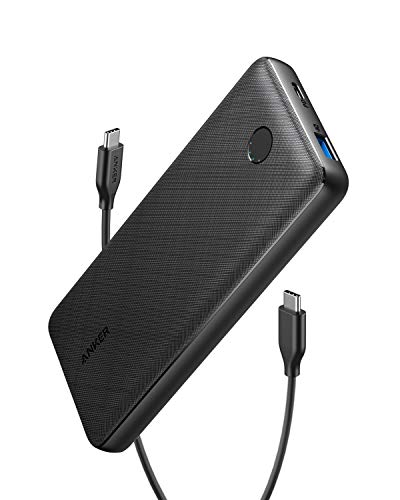
Anker USB C Power Bank, PowerCore Essential 20000 PD (18W) Power Bank, High Cell Capacity 20000mAh Portable Charger Battery Pack for iPhone 12/Mini/Pro/Max Pro/11/X, Samsung (PD Charger Not Included) : Cell Phones & Accessories
View on Amazon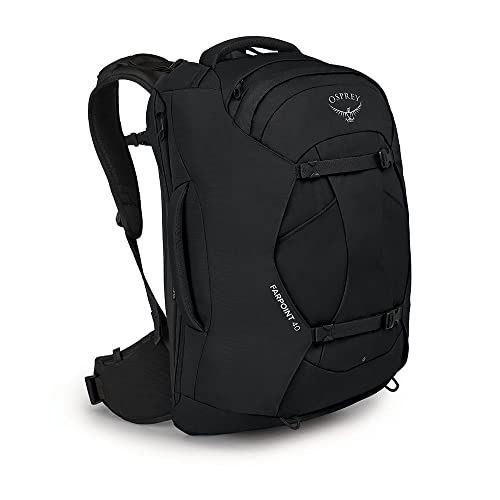
Osprey Farpoint 40L Men's Travel Backpack, Black
Internal organization has been ... whole kit along or slimming down for excursions. The Farpoint 40 is <strong>sized to meet most domestic carry-on requirements</strong>, making it the perfect one-pac
Check Price on AmazonEssentials:
- 30–40L backpack with rain cover; small daypack
- Quick-dry shirts, light trousers/shorts; warm layer for the north Nov–Mar
- Sturdy sandals and breathable sneakers; lightweight rain jacket
- Hat, sunglasses, reef-safe sunscreen, compact umbrella
- Microfiber towel, sarong, earplugs, sleep mask
- Refillable bottle; water purification tabs or filter if trekking
- Basic first-aid: plasters, ibuprofen, antihistamines, rehydration salts
- International Driving Permit (if riding), photocopies of passport/visa, padlock
Tech and apps:
- eSIM or local SIM; portable power bank
- Offline maps on Google Maps and Maps.me; translation app; currency converter
- Grab for ride-hailing in cities; a train-booking account for Vietnam Railways; weather and air-quality apps
Money and connectivity:
- ATMs are widespread; some rural stretches remain cash-first—carry small bills.
- Many hostels take cards, but street stalls rarely do. Tipping is modest; round up or leave small change.
One-page printable route checklist:
- Northern arc
- Hanoi: Old Quarter walk, Temple of Literature, bia hoi at dusk; book onward train/bus.
- Ha Giang Loop or Sapa: Confirm guide/bike; homestay booked; warm layers; rain cover.
- Ninh Binh: Trang An tickets; bicycle rental; Mua Cave sunrise hike.
- Ha Long/Cat Ba: Reserve cruise or Lan Ha kayak day; sea-sickness meds.
- Central spine
- Hue: Imperial Citadel; tombs transport; bun bo Hue lunch.
- Hoi An: Tailor/cooking class slot; My Son dawn run; beach day.
- Quy Nhon/Nha Trang: Coastal train; snorkel/island-hop or hammock day.
- Highlands and coast south
- Da Lat: Canyoning tour; coffee farm visit; thermal layers for evenings.
- Mui Ne: Sunrise dunes; seafood market; sunscreen and wind protection.
- Southern finish
- HCMC: War Remnants Museum; rooftop sunset; street food crawl.
- Mekong Delta: Boat tour at dawn; return bus timing.
- Logistics checks
- Reserve trains/buses 3–7 days ahead; watch holiday surges.
- Cash for rural stops; backup cards; IDP if riding.
- Health kit, repellent, sunscreen; confirm travel insurance details.
The Lasting Image
As the journey angles south, the country changes pitch but never heart: mountain passes surrender to palm-lined coves; incense coils give way to coconut palms thwacked open over river canoes. From a deck on the Mekong at sunrise, the entire odyssey condenses into one scene—oars dipping, a vendor’s laugh echoing across the water, and the warm, steady assurance that the road still runs ahead. This is Vietnam’s magic: each bend promises a new story, and the journey is rich enough to follow again.
Recommended Travel Gear
Lonely Planet Vietnam 14 (Travel Guide): Stewart, Iain, Atkinson, Brett, Bush, Austin, Eimer, David, Ray, Nick, Tang, Phillip
<strong>Lonely Planet Vietnam 14</strong> (Travel Guide) [Stewart, Iain, Atkinson, Brett, Bush, Austin, Eimer, David, Ray, Nick, Tang, Phillip] on Amazon.com. *FREE* shipping on qualifying offers. <st
Osprey Farpoint 40L Men's Travel Backpack, Black
Internal organization has been ... whole kit along or slimming down for excursions. The Farpoint 40 is <strong>sized to meet most domestic carry-on requirements</strong>, making it the perfect one-pac
Anker USB C Power Bank, PowerCore Essential 20000 PD (18W) Power Bank, High Cell Capacity 20000mAh Portable Charger Battery Pack for iPhone 12/Mini/Pro/Max Pro/11/X, Samsung (PD Charger Not Included) : Cell Phones & Accessories
Anker USB C Power Bank, PowerCore Essential 20000 PD (18W) Power Bank, <strong>High Cell Capacity 20000mAh Portable Charger Battery Pack for iPhone 12/Mini/Pro/Max Pro/11/X, Samsung (PD Charger Not In