
Adventure Hiking in Bolivia: Peaks, Altitude Prep & Practical Essentials
From glacier-kissed 6,000ers to Inca-paved jungle descents, this deep guide to adventure hiking in Bolivia blends route intel, altitude prep, and cultural insight.
Mood
High-Altitude Quest
At dawn on the Zongo Glacier, the Cordillera Real blushes pink, serrated ice catching the first light as a faint line of headlamps moves toward a corniced ridge. Thin, crystalline air bites at the lungs; crampons sing against blue ice. This is adventure hiking in Bolivia at its purest—raw, high, and elemental—where altitude, culture, and Andean weather demand respect and reward perseverance with incomparable horizons.
Adventure Hiking in Bolivia: Where the Andes Test and Reward
Bolivia’s high country concentrates some of South America’s most arresting terrain into a compact geography. Adventure hiking in Bolivia unfolds along pre-Columbian stone paths that plunge from frost-whitened passes to jungle-wet cloud forests, and across lonely lunar plateaus ringed by 6,000-meter peaks. Each classic route carries its own signature—whether a perfect glacial cirque mirrored in a tarn, a llama caravan treading between ichu grasses, or a star-drunk bivouac where the Milky Way feels absurdly close.
Cordillera Real: A Spine of Snow and Stone
Running roughly northwest to southeast above La Paz, the Cordillera Real is a mountaineer’s atlas sketched in granite, ice, and myth. Dozens of summits soar over 5,000 meters, their Quechua and Aymara names invoking condors, lightning, and ancient guardians. The range is both accessible—trailheads sit two to four hours from the capital—and serious, with weather that can pivot from benign to brutal in a squall.
Huayna Potosí (6,088 m): Bolivia’s First 6,000 for Many
Often named as one of the most attainable 6,000ers in the Andes, Huayna Potosí is no mere “walk-up.” The standard three-day program introduces glacier travel with a half-day of ice school (self-arrest, footwork) on Day 1, a steady climb to high camp on Day 2, and a midnight alpine start for summit day—ascending mellow snow slopes that steepen to 35–45 degrees near the summit ridge. The prize is a sweeping panorama: the sapphire arc of Lake Titicaca, La Paz glittering in its canyon, and serried summits marching to Peru. Most hikers tackle Huayna Potosí with a certified guide; conditions can include hard ice, crevasses, and knife-edge cornices.
Condoriri Cirque: A Glacial Amphitheater for All Levels
The Condoriri massif gathers a ring of peaks around a perfect glacial lake basin above the Aymara village of Tuni. The skyline—central Cabeza de Cóndor flanked by “wings”—is as dramatic as the climbing. Non-technical hikers can aim for Pico Austria (≈5,320 m), a stout acclimatization summit with commanding views. Technical teams pick off steeper lines, including the elegant Cabeza de Cóndor (≈5,648 m). Multi-day circuits thread alpine valleys where viscachas sun on boulders and alpaca graze damp bofedales. Expect simple community fees at Tuni and opportunities to hire muleteers.
Illimani (6,438 m): The La Paz Sentinel
Illimani dominates La Paz like a marble throne, its four summits stacked in icy tiers. The Normal Route is longer and more committing than Huayna Potosí—typically four to five days from the village of Pinaya—with steeper snow climbs and a protracted summit ridge that demands confident cramponing. It’s a mountain for well-acclimatized climbers with glacier experience or those engaging a UIAGM/IFMGA-certified guide. In return, Illimani offers the most regal sunrise in the range, the Altiplano unfolding in gold.
Sajama and the Western Highlands: Volcano Country at the Roof of Bolivia
Out west along the Chilean border, Sajama National Park protects Bolivia’s highest peak (Nevado Sajama, 6,542 m), a lone stratovolcano rising from flamingo-haunted lagoons and ancient queñua (Polylepis) forests—the world’s highest-elevation woodlands. The summit climb is frigid, wind-exposed, and typically requires glacier gear; nights routinely plunge below –20°C. On rest days, hikers wander steaming geysers, soak in rustic hot springs, and visit chullpas—pre-Inca funerary towers—etching the high desert with deep time. Community-run lodging, including the warmly rustic Tomarapi Ecolodge, offers a culturally grounded base close to trailheads.
Salar Fringe and Tunupa: Salt and Sky
If the Cordillera Real is all ice and angles, the Salar de Uyuni is infinity made tangible. On the salt flat’s northern edge, Cerro Tunupa (≈5,321 m) rises in mineral-streaked bands above quinoa fields and llama pens. Hikers can ascend to viewpoints skirting the crater rim, where the salar becomes a blinding white ocean. The route is steep but non-technical; in shoulder seasons, expect scree, gusting winds, and temperatures that swing wildly between noon and midnight.
El Choro Trek: Inca Stone to Cloud Forest
Beginning at La Cumbre Pass (≈4,850 m) just outside La Paz, the classic El Choro Trek dives from a frost-dusted puna into the warm, citrus-scented Yungas over two to three days. The pre-Columbian path, paved in places with time-worn stones, descends through botanically rich cloud forest, crossing suspension bridges and terraced coca plots to end near Yolosa or Coroico. It’s one of the continent’s great “high-to-jungle” transitions. Expect humidity, sandflies, and the intoxicating chorus of insects at night; bring trekking poles for slick stone after rain.
Remote Multi-Day Routes: For Solitude-Seekers
Beyond the marquee names, Bolivia rewards those who like their maps smudged with contour lines. The Takesi Trail parallels El Choro with its own exquisite Inca paving and sheltered valleys. Ambitious hikers tackle segments of the Cordillera Real Traverse—six to ten days linking high passes and lonely tarns between the Zongo Valley and Sorata. Here, condors tilt in thermals and campsites feel like private kingdoms under an impossible sweep of stars.
High Altitude Strategy and Gear for Bolivia’s Peaks
Adventure hiking in Bolivia is as much about physiology as footwork. The country’s greatest assets—lofty trailheads, quick access to glaciers—also compress acclimatization. Treat elevation as the expedition’s main crux.

Julbo Camino Mountain Sunglasses - Black Frame - Brown w/Silver Mirror Lens (Spectron 4)
View on Amazon- Smart acclimatization: Spend at least 2–4 days in La Paz (3,600–4,000 m) before attempting anything strenuous. Day 1–2: gentle walks, markets, and short outings to Valle de la Luna or Mirador Killi Killi. Day 3: a moderate hike around Chacaltaya’s lower slopes or Lake Titicaca’s Isla del Sol (sleeping no higher than previous nights). Day 4–5: consider Pico Austria or a Condoriri overnight before progressing to 6,000 m objectives.
- Know the risks: Acute Mountain Sickness (AMS) can strike above 2,500 m; severe forms include HAPE and HACE. Warning signs include persistent headache, nausea, ataxia, and breathlessness at rest. The only definitive treatment is descent. Many travelers consult a physician about acetazolamide (Diamox) and carry ibuprofen for headaches. Hydration, slow ascent, and honest self-assessment are non-negotiable.
- Train with intention: Build a cardiovascular base (running, hiking, cycling) 3–4 months out; add weighted stair climbs and long hikes with 600–1,000 m of vertical gain. For glacier routes, cross-train with ice axe and crampon technique on snowfields at home or enroll in a short mountaineering course.
- Dress for the extremes: Diurnal swings are brutal. Think four layers up top (moisture-wicking base, midweight fleece, active-insulation layer, and baffled down or synthetic parka) plus a waterproof shell. Pair insulated mountaineering boots or double boots for 5,500–6,500 m, warm mittens, and a windproof balaclava. Category 4 glacier sunglasses and SPF 50+ sunscreen guard against savage UV at altitude.
- Technical kit for glaciated routes: Helmet, harness, 12-point crampons, mountaineering axe, 30–50 m rope (guided teams typically provide), 2–3 screwgate carabiners, prusiks or mechanical ascenders, and a compact crevasse-rescue kit. For camping, a four-season tent, -15°C to -25°C sleeping bag, closed-cell foam plus inflatable pad, stove with high-altitude fuel canisters, and a reliable water treatment system.
Between acclimatization forays, a good base makes all the difference. In La Paz’s Zona Sur, the art-forward Atix Hotel showcases contemporary Bolivian design and an oxygen-rich night’s sleep, ideal for gearing up or winding down. For those who prefer Andean charm within the historic center, Hotel Rosario La Paz occupies a restored colonial house where hot tea and coca leaves await after late descents.
Logistics and Planning Essentials
The nuts and bolts—seasonality, transport, permits, and budgets—shape a safe and satisfying itinerary. A bit of forethought goes a long way in Bolivia’s high places.
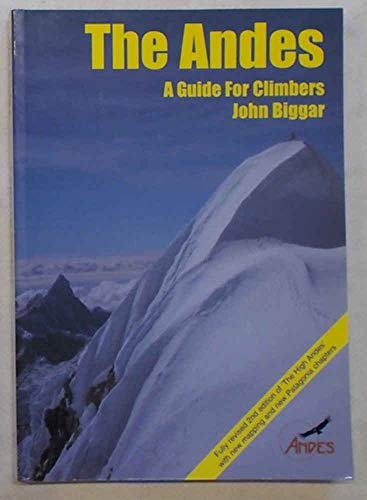
The Andes: A Guide for Climbers: Biggar, John
by John Biggar (Author) 4.1 4.1 out of 5 stars 4 ratings · See all formats and editions · <strong>A comprehensive climbing guide to the mountains of The Andes, from Venezuela to Tierra Del Fuego</stro
Check Price on AmazonWhen to Go
- Dry season (May–September): Prime time for high peaks and long treks. Expect clear mornings, ferocious sun, cold nights (often below freezing above 4,000 m), and afternoon winds. June–August offers the firmest snow for Huayna Potosí and Illimani.
- Shoulder months (April, October): More variable weather, greener valleys, fewer crowds. Good for El Choro and Condoriri trekking; technical routes depend on recent storms.
- Wet season (November–March): Lusher landscapes and moody skies, but frequent afternoon storms, snow instability on high routes, and slick stone on Yungas trails. Salar crossings can be magical with mirror-like water—less so for summit bids.
Reaching the Trailheads
- Huayna Potosí: 1.5–2 hours from La Paz via the Zongo Valley. Most outfitters include round-trip transport to base camp and high camp.
- Condoriri (Tuni): 2–3 hours from La Paz/El Alto by 4x4 or hired taxi via Patamanta; community fees collected at Tuni. Mule support can be arranged on arrival or through an agency.
- Illimani (Pinaya): 3–4 hours from La Paz, typically by private transport arranged through a guide service. The approach hike to base camp passes terraced fields and small Aymara hamlets.
- Sajama National Park: 5–6 hours by road from La Paz (via Patacamaya and the turnoff to Sajama village) or shorter from Oruro. Local 4x4s service trailheads, geysers, and hot springs.
- El Choro: Start at La Cumbre Pass, reachable by taxi or by minibuses bound for Coroico (ask to be dropped at La Cumbre). The route ends near Yolosa/Coroico, with frequent transport back to La Paz.
- Tunupa/Salar de Uyuni: Access from Colchani or Tahua/Coqueza on the north shore; 4x4s can be hired in Uyuni town.
Permits, Fees, and Guides
- Permits: There is no national permit system for most Cordillera Real climbs. Expect modest community fees for camping or trail access in Tuni/Condoriri and along some rural approaches. Sajama National Park charges an entry fee, and some routes involve additional local payments.
- Guides: While strong, acclimatized hikers can trek independently on non-technical routes like El Choro and Pico Austria, glacier climbs (Huayna Potosí, Illimani, Sajama) are safest with experienced, certified guides. Ask for UIAGM/IFMGA or reputable national certification, confirm client-to-guide ratios, and inspect gear.
Trusted Local Outfitters
La Paz hosts seasoned operators with deep local knowledge. Andean Summits, Bolivian Mountain Guides (BMG), and Alaya Expeditions are known for serious mountaineering programs and high safety standards. In Sajama, community-linked guides can be arranged via lodges in Sajama village. Always read recent trip reports, verify insurance coverage, and request bilingual guides if needed.
For broader strategy on choosing routes, minimizing impact, and building in recovery days, see our primer on responsible expedition planning: Adventure Travel: How to Plan Epic, Responsible Trips Around the World.
Time and Budget Expectations
- Huayna Potosí: Commonly 3 days door-to-door from La Paz; guided packages typically range from US$200–400 depending on gear quality, group size, and season.
- Illimani: 4–5 days; expect US$600–1,000 for small-group guided climbs with full camp support.
- Condoriri treks and Pico Austria: 1–3 days; roughly US$150–400 with mule support and guide.
- Sajama summit: 2–3 days plus transfers; budget US$400–800, excluding park fees and lodging.
- El Choro: 2–3 days independent; transport is inexpensive, while optional porterage, campsites, and meals add modest costs.
Saving smartly on gear rentals, transport, and meals is possible without cutting safety corners; travelers used to stretching a budget will find familiar tactics in our guide to stylish savings: Budget Travel: A Backpacker’s Guide to Smart, Stylish Savings.
Cultural and Environmental Considerations
High mountains are not only landscapes but also homelands. The Cordillera Real and the Altiplano are threaded with Aymara and Quechua communities whose livelihoods and spiritual geographies long predate trekking maps.

Garmin inReach Mini 2, Lightweight and Compact Satellite Communicator, Hiking Handheld, Orange - 010-02602-00
Home is closer than you think with inReach® Mini 2. This <strong>compact satellite communicator adds peace of mind to your adventures without adding weight to your pack</strong>. (Some jurisdictions r
Check Price on Amazon- Engage respectfully: Learn a few Aymara or Spanish greetings; ask permission before photographing people, homes, or rituals. Small, direct payments for camping or trail access support local governance; carry small bills.
- Mountain spirits and offerings: Apus—the protective mountain beings—are honored at stone cairns and coca-leaf altars. Avoid sitting on or disturbing offerings. Loud music or drones can be intrusive; silence is part of the pact.
- Wildlife and fragile habitats: Step carefully around bofedales (high-altitude wetlands) where alpaca and vicuña feed, and avoid trampling cushion plants. Watch for Andean condors, viscachas, flamingos, and choique (rhea). Fires are inappropriate above treeline and illegal in protected areas.
- Waste and water: Pack out all trash, including toilet paper. Human waste should be buried well away from water sources or packed out in wag bags where soils are too thin. Treat all water.
- Safety net: Cell coverage fades quickly beyond villages. Carry a satellite communicator or PLB, a paper map plus GPS, and leave a copy of your itinerary with your lodging or outfitter. Bolivia’s rescue infrastructure is limited; self-sufficiency and conservative decision-making are essential.
Culture is also tasted as much as witnessed. After long days at altitude, few rewards beat a steaming bowl of chairo paceño or a plate of llama steak with Andean potatoes. When back in La Paz or Cochabamba, food-curious travelers can dive deeper into markets, regional dishes, and the country’s revived indigenous pantry through curated tastings and walks: Savor Bolivia: What to Expect on Culinary Tours and Food Experiences.
The Feeling You Take Home
In the end, adventure hiking in Bolivia lingers less as a checklist of summits than as a string of high, lucid moments: the crunch of hoarfrost underfoot on a Condoriri morning; a condor’s shadow sliding across snow on Illimani; a hot spring’s mineral scent rising in Sajama twilight; the first bite of sweet, sun-warmed orange descending into the Yungas. The country’s mountains are stern but generous—demanding patience, humility, and preparation, and repaying with vistas that feel like they’ve been waiting just for you.
Recommended Travel Gear
The Andes: A Guide for Climbers: Biggar, John
by John Biggar (Author) 4.1 4.1 out of 5 stars 4 ratings · See all formats and editions · <strong>A comprehensive climbing guide to the mountains of The Andes, from Venezuela to Tierra Del Fuego</stro
Julbo Camino Mountain Sunglasses - Black Frame - Brown w/Silver Mirror Lens (Spectron 4)
Offering lightweight, high protection ... LENS: SPECTRON 4 LENS: Julbo’s <strong>darkest tint polycarbonate lens transmits only 5% of visible light and provides 100% UVA, B and C protection</strong>..
Garmin inReach Mini 2, Lightweight and Compact Satellite Communicator, Hiking Handheld, Orange - 010-02602-00
Home is closer than you think with inReach® Mini 2. This <strong>compact satellite communicator adds peace of mind to your adventures without adding weight to your pack</strong>. (Some jurisdictions r