
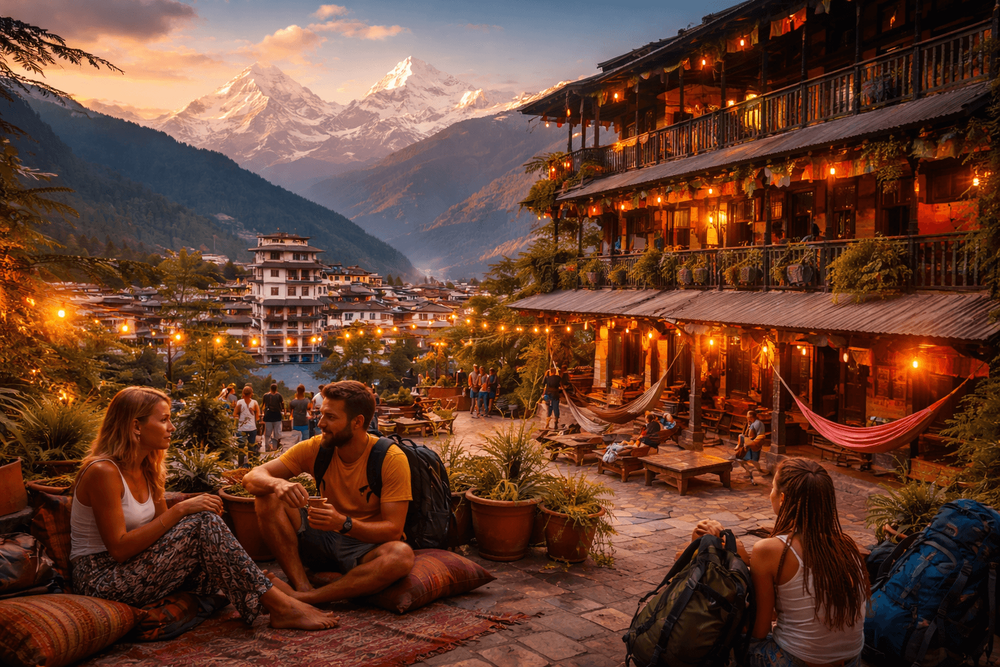
Affordable Hostels in Nepal: Cheap, Safe & Social Stays for Backpackers
Clean, safe, and social: a curated guide to affordable hostels in Nepal across Kathmandu, Pokhara, Chitwan, and trekking hubs—plus booking and money‑saving tips.
Mood
Budget Backpacking
Meta Title: Affordable Hostels in Nepal: Budget Backpacker Guide Meta Description: Affordable hostels in Nepal—city stays, trail towns, price pointers, essentials, and money-saving tips for budget backpackers.
At first light in Kathmandu, prayer flags begin their soft semaphore over the rooftops of Thamel while a kettle hisses in some hidden courtyard. Motorbikes cough awake, a bell rings at a neighborhood shrine, and the smell of cardamom tea rises through the lanes. For backpackers, affordable hostels in Nepal aren’t just beds; they are launchpads for mountain dreams and cultural wanderings—places where route notes are scrawled over masala omelets and sunrise plans are made on breezy rooftops with the city unfurling below.
Note on prices and availability: Rates in Nepal shift by season and demand. The price ranges below are indicative, drawn from long-running patterns across major booking platforms and property pages. Always confirm current rates and inclusions (hot water, Wi‑Fi, breakfast) directly with the property before you book.
Affordable Hostels in Nepal: Where to Stay by Destination

Lonely Planet Nepal: Detailed Itineraries | Travel Like a Local | Insider Tips | Covers Kathmandu, Pokhara, Terai, Mahabharat Range, and more (Travel Guide): Mayhew, Bradley, Bindloss, Joe, Brown, Lindsay, Butler, Stuart, Lama, Tsering
Lonely Planet's Nepal is <strong>our most comprehensive guide that extensively covers all the country has to offer, with recommendations for both popular and lesser-known experiences</strong>. Ex
Check Price on AmazonKathmandu (Thamel and beyond)
Kathmandu is the country’s transit heart and social hub, with hostels concentrated in and around Thamel. Dorms commonly start around US$7–15, while simple private rooms often begin around US$20–40, with prices rising in peak trekking months.
What to look for:
- Location: Core Thamel is walkable to cafés, gear shops, and bus pick-ups. Thamel fringe areas (such as Paknajol/Naya Bazar and towards Lainchaur) are a touch quieter but still convenient.
- Sleep quality: Ask about quiet hours and whether bunks have curtains or individual reading lights.
- Access: If arriving late from the airport, prioritize 24/7 reception or an arranged check‑in.
Good to know:
- Many Kathmandu hostels can store luggage while you trek (often free or for a small fee).
- Popular properties fill early in October–November and March–April; book ahead for first/last nights.
For a wider sweep across budgets and neighborhoods, see our curated picks in Hostel Recommendations in Nepal: Best Picks for Trekkers, Backpackers & Budget Travelers.
Pokhara (Lakeside and Phewa-side lanes)
Pokhara is where pack straps loosen and treks begin. The Lakeside neighborhood has a relaxed, leafy feel with mountain reflections rippling across Phewa Tal at dawn. Expect dorm beds roughly in the US$6–12 bracket; basic privates commonly land around US$16–30, depending on how close you are to the lake and main drag.
What to look for:
- Rooftops and views: Many hostels have terraces with lake or ridge views—great for sunrise starts.
- Trek support: Gear storage, early breakfasts, and help arranging jeeps to trailheads.
- Calm vs social: Lakeside’s main strip runs lively in season; a lane or two back can mean quieter nights.
Chitwan (Sauraha, near the park gate)
Sauraha, the gateway to Chitwan National Park, spreads along sandy lanes shaded by sal trees and the Rapti River. Classic hostels exist, but many budget guesthouses offer dorms or ultra-affordable privates. Typical dorm rates start around US$5–8; simple privates often from US$10–20.
What to look for:
- Nature access: Easy walks to the riverfront for sunset and birdlife.
- Safari logistics: On-site booking for jeep/canoe safaris and bicycle rentals is handy.
- Seasonal comfort: It can be humid and buggy in hot months—confirm mosquito nets and bring repellent.
Note: In Sauraha, amenities can shift seasonally—check recent reviews and confirm hot water and Wi‑Fi if those matter to you.
Trekking gateway towns (Everest, Annapurna, Langtang)
Nepal’s trekking hubs rarely have “hostels” in the classic sense. Instead, teahouses and guesthouses provide tidy rooms and communal dining, functioning like mountain hostels.
Everest region (Lukla and Namche Bazaar)
- Typical spend: Simple rooms frequently fall in the US$6–15 range for twin setups with shared bathrooms.
- Expect: Warm dining rooms, hearty dal bhat, and plenty of lodging choices. Small add‑on fees for hot showers, device charging, and sometimes Wi‑Fi are common. In the main seasons (roughly Oct–Nov and Mar–Apr), prebook a day or two ahead.
Annapurna trailheads (Besisahar for the Circuit; Pokhara for Poon Hill/ABC)
- Typical spend: Budget privates often US$6–15.
- Expect: Easy bus access, luggage storage at city bases, and last‑minute gear rentals. Dorms are uncommon; most rooms are twins/doubles.
Langtang (Syabrubesi)
- Typical spend: Basic privates commonly US$5–10.
- Expect: Early jeep departures and a handful of lodges near the bus stop. Wi‑Fi reliability varies; arrive by mid‑afternoon in peak months for better room selection.
What Matters Most: Essentials at Nepal Hostels
The country’s best budget stays understand the backpacker hierarchy of needs. When comparing affordable hostels in Nepal, look for the following, and ask directly if a detail matters to you:
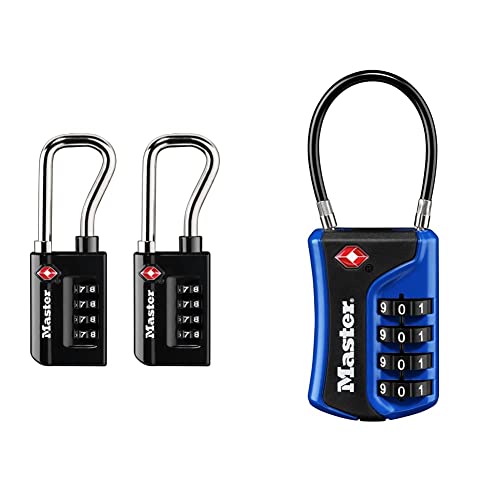
Master Lock 4688D Set Your Own Combination TSA Approved Luggage Lock, 1 Pack, Assorted : Clothing, Shoes & Jewelry
View on Amazon- Cleanliness: Top-rated hostels keep dorms bright, bathrooms scrubbed, and bedding freshly laundered. In drier months, dust creeps in; daily sweeping is a sign of care.
- Safety and security: Look for lockers at the bed or in-room, staffed reception, cameras in common corridors, and sturdy room locks. Many properties offer female-only dorms—worth inquiring if arriving late or traveling solo.
- Wi‑Fi that works: In Kathmandu and Pokhara, speeds are generally good enough for calls and uploads when the power is stable. In smaller towns, service is slower and more prone to interruptions. Ask whether there’s backup power to keep routers alive during cuts.
- Hot water and pressure: Water often comes from solar or gas systems. Morning showers are usually hottest; in winter, confirm hours for reliable heat.
- Kitchens and tea corners: Access to a shared kitchen lowers costs, but even a kettle and filtered water station help. Some hostels sell affordable breakfasts and momos—convenient for early starts.
- Social spaces: Rooftops and courtyards are Nepal’s living rooms. A breezy terrace can be the difference between a quick overnight and a place you linger.
- Gear storage and laundry: Kathmandu and Pokhara hostels often store luggage for trekkers and can arrange fast, low-cost laundry.
- Transport links: In cities, proximity to tourist bus pick-up points and airports matters. In trekking towns, aim to be near the trailhead or the morning jeep stand.
Solo travelers will also appreciate updated safety notes and route ideas in Nepal for Solo Travelers: Best Destinations, Safety Tips, and Practical Planning.
Hostel vs Teahouse: What Changes on the Trail
Affordable hostels in Nepal dominate Kathmandu and Pokhara, but once you shoulder your pack, teahouses become home. Knowing the differences helps you decide when to book ahead and when to walk in.
- Standards and setup: City hostels feature bunks with lockers, multiple bathrooms, and self-catering spaces. Teahouses usually offer simple twin rooms, shared bathrooms, and a communal dining hall warmed by a stove.
- Pricing: In cities, dorms around US$6–12 and privates around US$18–35 are common. On trails, rooms can be as low as a few dollars at lower elevations, rising modestly higher up. Expect add‑on charges for hot showers, device charging, and occasionally Wi‑Fi.
- Reservations: In the Everest region and Annapurna Base Camp corridor during peak months (typically Oct–Nov, Mar–Apr), book a day or two ahead—especially where lodge numbers are limited. Elsewhere, walking in by mid-afternoon usually secures a bed.
- Food expectations: At teahouses, meals are a core part of the business. Guests are expected to dine in; room rates may be cheaper when you eat on site. In cities, hostels typically have cafés but let you explore local eateries freely.
- When to choose what: Base yourself in a city hostel before and after a trek—for baggage storage, laundry, and shared intel. On the trail, embrace teahouses for their warmth, local flavor, and early-morning proximity to the path.
How to Save Money and Book Smart
Stretching rupees without sacrificing sleep is an art form here.
- Travel in the value seasons: For the best hostel deals, aim for late Nov–Feb (cooler, clearer winter days) and late May–Sep (monsoon brings fewer crowds and lush hills). Peak trekking windows (Oct–Nov and Mar–Apr) see the highest demand.
- Dorm vs private: Solo travelers usually save most in dorms. Couples often do better in basic privates, especially in Pokhara and Chitwan where simple doubles can cost the same as two dorm beds.
- Negotiate long stays: A week in one place? Politely ask about a small weekly discount or free laundry. Independent hostels can be flexible outside of peak months.
- Book like a local: Major platforms are great for comparisons, but a quick message to the property (WhatsApp or built‑in messenger) can clarify room types, sunrise shuttles, or baggage storage. Confirm the exact map pin; alleyway addresses can be confusing.
- Avoid common scams: Don’t prepay large sums via unfamiliar QR codes or unofficial links. Deposits through major platforms are standard; balances are typically paid at check‑in. Verify phone numbers on the listing page, and watch for look‑alike names. Screenshots of reservation details help at late-night arrivals.
Travelers chasing a tight budget will find more tactics in Nepal on a Shoestring: Essential Budget Travel Tips.
On-the-Ground Practicalities and Cultural Tips
- Getting there and around: From Tribhuvan International Airport to Thamel, a pre‑paid taxi is straightforward; ride‑hailing apps operate in Kathmandu and Pokhara. Tourist buses link Kathmandu–Pokhara and Kathmandu–Chitwan; for Langtang and Annapurna trailheads, early microbuses and jeeps depart from designated stands.
- Luggage storage: Most city hostels store extra gear for trekkers; ask for a tag and keep valuables with you. If flying to Lukla, allow buffer days for weather delays and leave non-essentials in Kathmandu.
- Electricity and hot water: Power cuts still happen. Better hostels have inverters or generators, but they may not cover hot water. Charge power banks when the lights are on; bring a universal adaptor and a short extension with surge protection.
- Health basics: Use filtered or treated water (many hostels provide refill stations). In Kathmandu’s dry months, dust masks help. On trails, ascend gradually, know the signs of altitude sickness, and consult a professional before carrying or using acetazolamide. Warm layers are essential even in shoulder seasons.
- Money matters: ATMs cluster in Thamel and Lakeside but can run dry on weekends and holidays. Carry small notes for buses, snacks, and trail extras (charging, showers). Card acceptance is growing in cities; bring cash to the mountains.
- Respectful customs: A light “Namaste” goes a long way. Remove shoes in temples and monasteries; dress modestly when visiting shrines. Ask before photographing people. With prayer wheels, spin clockwise; avoid pointing your feet at altars.
- Evenings out: Hostels in Kathmandu and Pokhara often organize pub quizzes or live‑music outings; the scene is friendly but tends to wind down by midnight. If sampling nightlife, plan a safe walk home or share a taxi.

EPICKA Universal Travel Adapter, European Travel Plug Adapter (Not a Voltage Converter) - International Power Adapter Worldwide Charger with USB-C & 4 USB-A Ports, Travel Essentials (TA-105, Grey)
View on AmazonFor more practical pointers, safety notes, and cultural etiquette, browse Top Travel Tips for Nepal: Practical, Safe, and Responsible Advice for First-Time Visitors.
The Lasting Image
Think of a rooftop in Kathmandu, dusk falling as the city hums below. On the table: a paper map, a steaming cup of chiya, and your boots unlaced—dusty and satisfied. Affordable hostels in Nepal deliver those moments along with clean bunks, safe lockers, and a generous exchange of trail wisdom. From the lake breezes of Pokhara to the jungle hush of Sauraha and the tea‑warmed dining rooms of the high trails, these stays are the connective tissue of a journey—where plans begin, friendships spark, and the Himalaya feels not just vast, but gently within reach.
Recommended Travel Gear
Lonely Planet Nepal: Detailed Itineraries | Travel Like a Local | Insider Tips | Covers Kathmandu, Pokhara, Terai, Mahabharat Range, and more (Travel Guide): Mayhew, Bradley, Bindloss, Joe, Brown, Lindsay, Butler, Stuart, Lama, Tsering
Lonely Planet's Nepal is <strong>our most comprehensive guide that extensively covers all the country has to offer, with recommendations for both popular and lesser-known experiences</strong>. Ex
EPICKA Universal Travel Adapter, European Travel Plug Adapter (Not a Voltage Converter) - International Power Adapter Worldwide Charger with USB-C & 4 USB-A Ports, Travel Essentials (TA-105, Grey)
Amazon.com : EPICKA Universal Travel Adapter, European Travel Plug Adapter (Not a Voltage Converter) - <strong>International Power Adapter Worldwide Charger with USB-C & 4 USB-A Ports, Travel Esse
Master Lock 4688D Set Your Own Combination TSA Approved Luggage Lock, 1 Pack, Assorted : Clothing, Shoes & Jewelry
Full content visible, double tap to read brief content. ... The Master Lock 4688D Set Your Own Combination TSA Approved Luggage Lock <strong>features a 1-3/16in (30mm) wide metal body for durability</