
Nepal on a Shoestring: Essential Budget Travel Tips
Stretch your rupees with savvy, on-the-ground advice: real daily costs, permit fees, cheap transport, smart trekking saves, and city hacks for Nepal.
Mood
Budget Adventure
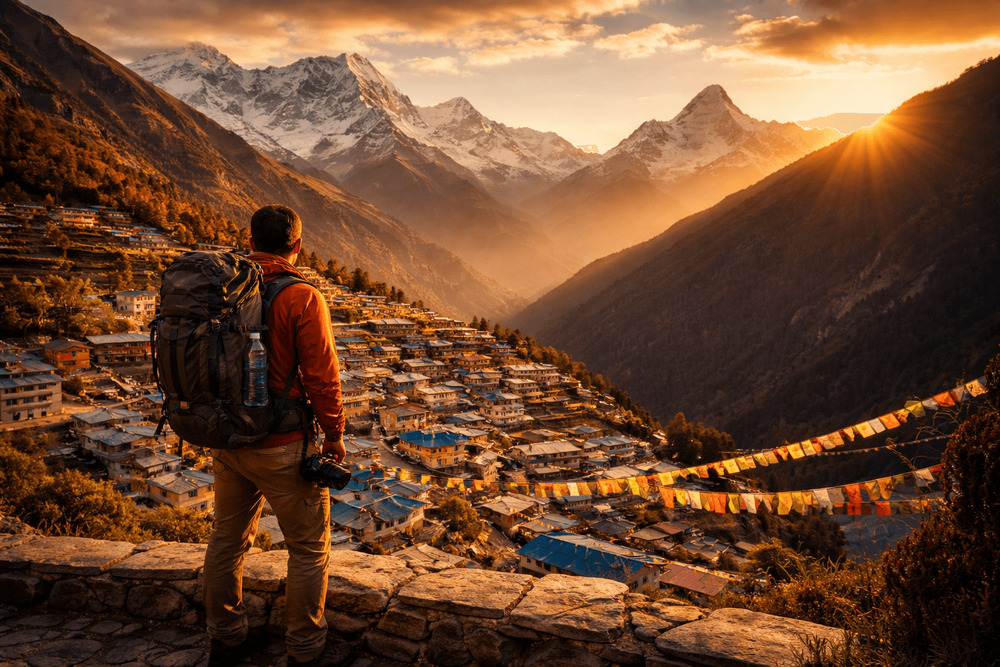
At dawn in Kathmandu, prayer flags lift in a soft breeze and the clang of a brass bell ripples down a temple lane. Steam curls from momo baskets, a barista pulls a cardamom latte, and a microbus coughs awake on the corner—reminders that Nepal rewards the watchful traveler. With the right budget travel tips for Nepal, rupees stretch farther than most imagine, from heritage cities to high trails.
Budget Travel Tips for Nepal: What Costs What
The essential question is not simply how cheap Nepal can be, but where your rupees go. Prices shift between the cities and the mountains, and small choices—bus over flight, dal bhat over Western menus—compound into real savings.
Lonely Planet Nepal: Detailed Itineraries | Travel Like a Local | Insider Tips | Covers Kathmandu, Pokhara, Terai, Mahabharat Range, and more (Travel Guide): Mayhew, Bradley, Bindloss, Joe, Brown, Lindsay, Butler, Stuart, Lama, Tsering
Lonely Planet's Nepal is <strong>our most comprehensive guide that extensively covers all the country has to offer, with recommendations for both popular and lesser-known experiences</strong>. Ex
Check Price on Amazon- Exchange shorthand: NPR 130 ≈ US$1 (rates fluctuate; check current figures).
- Heritage-site fees (foreigners): roughly NPR 200–1,800 depending on the site; Bhaktapur and Patan sit at the top tier and are worth every rupee for multiple visits.
Daily cost ranges in the cities
Kathmandu Valley (Kathmandu, Patan, Bhaktapur)
- Frugal: NPR 3,300–5,200 (US$25–40) for a hostel/guesthouse bed, street eats and local buses.
- Mid-range: NPR 7,800–13,000 (US$60–100) for a private room with hot shower, cafes, and a rideshare or taxi or two.
- Where it goes: beds from NPR 800–2,500; a filling plate of momos or a thali from NPR 200–600; cafe coffee NPR 200–400; taxis across town NPR 400–800.
Pokhara
- Frugal: NPR 3,000–4,550 (US$23–35) thanks to calmer Lakeside pricing and walkability.
- Mid-range: NPR 7,150–11,700 (US$55–90).
- Where it goes: rooms from NPR 800–2,200; boat rental on Phewa Lake NPR 700–1,200 per hour; sunset drinks from NPR 400.
For planning inspiration on where to focus your time and fees, see the city-by-city highlights in Top Tourist Spots in Nepal: Kathmandu, Pokhara, Everest & Beyond.
Trekking budgets: short vs. long routes
The mountains are where costs diverge. Food and fuel are carried up by mule or porter, so prices rise with altitude. Teahouse beds may be cheap; it’s meals, snacks, hot showers, charging, and water that add up.
Short treks (2–5 days: Poon Hill, Mardi Himal lower sections, Shivapuri)
- Frugal (sharing guide or trekking only where independent travel is permitted and advisable): NPR 3,900–5,850 (US$30–45) per person per day for bed, meals, water treatment, and sundries—plus permits and transport.
- Mid-range: NPR 6,500–9,750 (US$50–75) with private room where available, more snacks, occasional hot showers.
Longer treks (7–14+ days: Annapurna Base Camp, Langtang, Manaslu segments, Everest region)
- Frugal: NPR 5,200–7,800 (US$40–60) per day for bed and meals at altitude, with careful snack planning and selective hot showers/charging.
- Mid-range: NPR 7,800–11,700 (US$60–90) per day for extra comfort, better rooms where offered, and more frequent hot showers.
Guides and porters
- Licensed guide: typically US$25–40 per day depending on route and season; porter: US$18–30 per day. Grouping up lowers the per-person cost. Always budget fair wages, meals, accommodation, and insurance for your team.
Permits and park fees that hit the bottom line
Budgeting is incomplete without the fine print of permits, which vary by region and are checked on the trail.
- TIMS (Trekkers’ Information Management System): commonly NPR 2,000 per trekker. Policies evolve; on some routes, solo trekking is restricted and trekking with a registered guide is required.
- ACAP (Annapurna Conservation Area Permit): NPR 3,000.
- Sagarmatha National Park (Everest region) entry: roughly NPR 3,000.
- Khumbu Pasang Lhamu Rural Municipality local permit (Everest region): collected locally; expect an additional fee.
Permits are generally obtainable at the Nepal Tourism Board offices in Kathmandu and Pokhara or through licensed agencies. Always confirm latest rules before you go; enforcement and fees can change season-to-season. As a yardstick, a 10-day Annapurna trek (ACAP + TIMS) adds around NPR 5,000–7,000 (US$38–54) per person before transport and guides.
Sample spending targets
Kathmandu frugal day (no big entry fees):
- Dorm bed NPR 1,000; three local meals NPR 900; buses/rideshares NPR 300; coffee/snacks NPR 400; buffer NPR 400. Total: ~NPR 3,000–3,500 (US$23–27).
Kathmandu mid-range day:
- Private room NPR 2,500; cafes and one sit-down dinner NPR 2,000; taxis NPR 800; entry fee NPR 1,000; buffer NPR 1,000. Total: ~NPR 7,000–8,000 (US$54–62).
12-day Everest region trek, budget-minded (per person):
- Bed/food/incidentals: US$45/day × 12 = US$540; guide shared between four trekkers: US$10/day × 12 = US$120; permits/park/local fees ~US$40–60; Lukla flight (round-trip) US$200–350 if flying. Total ballpark: US$900–1,100.
- Savings route: bus/jeep to Salleri instead of a Lukla flight can cut US$150–300, but adds 2–3 walking days or a long road day each way.
For choosing the right month to chase discounts (or simply better weather), consult Best Time to Explore Nepal: Season-by-Season Guide.
Low-Cost Transport and Where to Sleep Smart
Getting around for less
- Local buses and microbuses: The cheapest way to move between cities. Kathmandu–Pokhara ranges from NPR 700–1,500 on local services; tourist coaches with assigned seats and fewer stops cost NPR 1,500–2,500. Expect 6–9 hours depending on conditions.
- Night travel: Savings can tempt, but road safety and landslide risk make overnight buses less appealing. Daytime departures are the wiser bargain.
- Domestic flights: Kathmandu–Pokhara can be US$100–150 one-way. Money-saver strategy: book early morning departures (better on-time odds), watch baggage limits to avoid add-on fees, and compare airline counters in person if you’re already in the city.
- Taxis and rideshares: In Kathmandu, insist on the meter or agree a price up front. For solo hops, rideshare apps like Pathao and Tootle keep fares predictable. Shared taxis on busy routes (ring road segments, airport–Thamel) cut costs when you’re traveling light.
Teahouses, guesthouses, and how to negotiate fairly
- On trekking routes, rooms are often inexpensive (NPR 500–1,200), but owners expect you to dine where you sleep. It’s common to secure a lower room rate by committing to dinner and breakfast. In peak months, focus on securing a bed—bargains are thinner.
- In cities, walk a lane off the main drag to halve the noise and shave the price. Inspect rooms: check hot water, window seals, bedding, and outlets. Ask about backup power and Wi‑Fi reliability.
- Off-season vs. advance booking: In monsoon and mid-winter you can often walk in and negotiate 10–20% off. For October–November and March–April—particularly around major festivals—book the first and last nights in advance, then keep the middle flexible.
For a vetted shortlist of bunks and boutique bargains, see Hostel Recommendations in Nepal: Best Picks for Trekkers, Backpackers & Budget Travelers.
Curated budget stays that punch above their price
- The Zostel Kathmandu keeps costs kind with crisp dorms, a rooftop terrace for golden-hour views, and a location that’s central without being cacophonous.
- In Pokhara, the Lakeside Eco Guesthouse trades flash for warmth: airy rooms, a shady courtyard, and sunrise tea poured as paragliders dot the sky.
- For heritage charm without the sticker shock, the Patan Brick & Timber Inn occupies a lovingly restored townhouse where carved lintels frame quiet, light-filled rooms.
Trekking: Save Wisely, Not Recklessly
The cheapest decision is not always the safest in the mountains. A few carefully chosen expenses protect both your budget and your well-being.
When to hire a guide or porter
- Regulations: Policies evolve, but on many routes a registered guide is recommended and in some areas required. At a minimum, first-time trekkers and anyone attempting shoulder-season hikes should consider hiring a licensed guide.
- Safety and value: A good guide is route-finder, weather watcher, cultural translator, and plan B when things go awry. If you’re cost-splitting among three or four, the per-person outlay is modest compared to the assurance gained.
- Porters: If your pack exceeds 10–12 kg or you’re going above 4,000 m, hiring a porter reduces fatigue and altitude risk. Budget US$18–30 per day and ensure they have appropriate clothing, footwear, and insurance through the company.
Gear: rent, buy, or borrow?
- Rent in Thamel (Kathmandu) or Lakeside (Pokhara). Typical daily rates: sleeping bag NPR 200–400; down jacket NPR 200–400; trekking poles NPR 100–200. Inspect zips and loft, and keep receipts for deposits.
- Buy once, buy right: Footwear is the one item to purchase at home if possible—your feet will thank you. In Nepal, prioritize reputable shops for bigger-ticket items; counterfeit labels abound.
- Share and swap: Hostel noticeboards are mini marketplaces. Passing on gas canisters, maps, and microspikes keeps costs and waste down.
Routes that trim the budget
- Skip expensive flights: Annapurna and Langtang start by road; Everest often requires a Lukla flight. Consider Salleri road access to cut airfare, accepting longer transit time.
- Short, spectacular, affordable: Poon Hill, Mardi Himal (to High Camp), and Langtang Valley deliver big-mountain drama in under a week, with fewer permit layers than restricted regions.
- Build in rest days: Counterintuitive, but an extra acclimatization night is cheaper than a rescue. Altitude rewards patience.
Non-negotiable safety expenses
- Insurance that covers trekking to your max altitude and helicopter evacuation (verify altitude caps and exclusions). Carry policy numbers and the insurer’s emergency number.
- Water purification: A filter, SteriPEN, or chlorine drops pay for themselves quickly and spare mountains of plastic. Boiled water on trail costs NPR 100–300 per liter.
- Warmth you can trust: A sleeping bag rated at least –10°C to –20°C comfort for high routes; real base layers and a windproof shell. Cold-related mistakes get expensive fast.
- Power and light: A power bank (10,000–20,000 mAh) saves on charging fees (NPR 100–300 per hour) and a headlamp buys margin on short winter days.
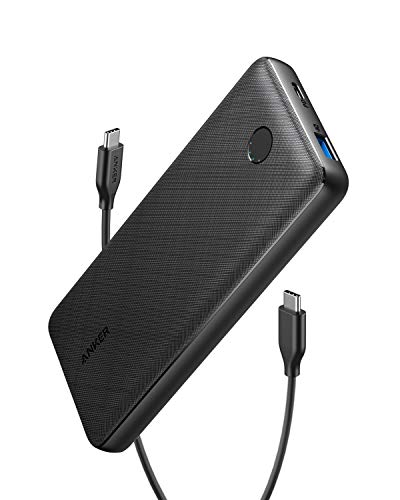
Anker USB C Power Bank, PowerCore Essential 20000 PD (18W) Power Bank, High Cell Capacity 20000mAh Portable Charger Battery Pack for iPhone 12/Mini/Pro/Max Pro/11/X, Samsung (PD Charger Not Included) : Cell Phones & Accessories
View on Amazon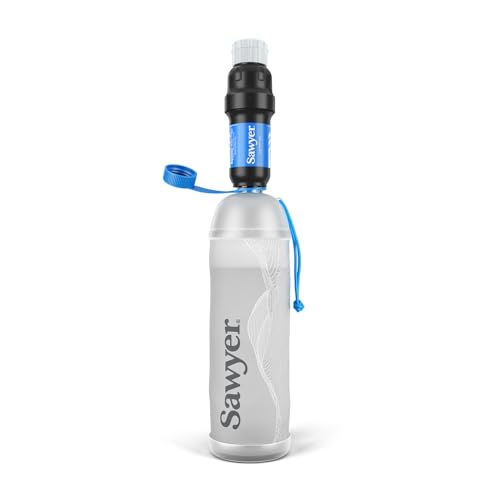
Sawyer Products Squeeze Water Filtration System, Cnoc ...
View on AmazonFor thrill-seekers looking to channel their rupees into the right kind of adrenaline, browse route ideas in Adventure Nepal: Treks, Peaks, Rivers & Responsible Thrills.
Cash, Cards, Health, and Everyday Smarts
Money mechanics
- ATMs: Widespread in Kathmandu and Pokhara; rarer on treks. Expect per-withdrawal fees (often NPR 500–800) and daily limits. Withdrawing larger sums less frequently cuts charges. Bank-run ATMs (Nabil, Standard Chartered) tend to be most reliable.
- Cards: Many mid-range hotels and cafes take cards with a 3–4% surcharge. Carry cash for markets, small eateries, and anything above 3,000 m.
- Exchanges: Thamel and Lakeside money changers are competitive. Bring crisp major-currency notes. Keep a stash of small bills (NPR 50–200) for buses and tea breaks.
SIMs and connectivity
- Providers: Ncell and Nepal Telecom sell tourist SIMs; bring passport and a visa copy. Expect to pay a small fee for the SIM (often under NPR 200) and around NPR 300–700 for multi‑GB data packs.
- Coverage: Cities are strong; valleys vary. NTC can outperform Ncell in some mountains, and vice versa. Download maps for offline use.
Eating well without overspending (or getting sidelined)
- Street wisdom: Seek the busy stall, watch food turnover, and order what’s coming off the grill or out of the steamer. Dal bhat keeps you trekking on a budget with refillable rice and lentils.
- Water and produce: Avoid untreated tap water; peel fruit; be cautious with raw salads. A pocket bottle of hand sanitizer is the cheapest health insurance you’ll buy.
- For a deeper dive into local bites that won’t bludgeon your budget, see Taste Nepal: Must‑Try Street Foods, Where to Find Them and How to Eat Like a Local.
Scams to sidestep and bargaining that builds bridges
- Taxis: Meter avoidance is common. If a driver refuses the meter, negotiate before you step in or use a rideshare app. Know that airport pickups cost more; walk 5–10 minutes beyond the gate for better odds.
- Trekking shops: "Gore‑Tex" at a too‑good price is exactly that. Buy critical layers from reputable stores and rent the rest.
- Temple and street "guides": Polite declines and firm smiles go far. If you do want a guide at a heritage site, hire through the official ticket office.
- Orphanage or school “donations”: Decline on the street and give through vetted organizations if you wish to contribute.
- Bargaining etiquette: Start at 50–60% of the first offer for souvenirs and settle near 70–80% with a smile. There’s little haggling for food, transport with meters, or fixed‑price artisan co‑ops. Never bargain down wages for guides and porters—pay fair rates and tip with gratitude.
Tipping, small fees, and the nickel‑and‑dime reality
- Restaurants: 5–10% if service isn’t included.
- Guides and porters: Common tips are roughly NPR 800–1,500 per trekking day for a guide (from the group) and NPR 500–1,000 per day for a porter, adjusted for route length and performance.
- Trek extras: Hot showers (NPR 200–500), device charging (NPR 100–300/hr), and stove‑heated dining rooms that warm up in the evening.
Putting it all together: a frugal-yet-rich Nepal
Budget travel tips for Nepal aren’t about deprivation; they’re about choosing well. Ride the sunlit bus so you can see terraces stepping down to rivers. Swap a single big‑ticket meal for three bowls at neighborhood kitchens that remember your face. In the mountains, pay for patience—an acclimatization day that lets dawn spill pink across a ridge you’ll actually be standing on. Spend where stories are made and save where memory won’t notice.
With a flexible plan, a reusable bottle, and a pocketful of small notes, travelers will find Nepal generous: tea so sweet it tastes like hospitality, trails stitched with prayer flags, and cities where artisans still turn wood and metal into quiet marvels. The right habits ensure your rupees last—and your days do, too.
Recommended Travel Gear
Lonely Planet Nepal: Detailed Itineraries | Travel Like a Local | Insider Tips | Covers Kathmandu, Pokhara, Terai, Mahabharat Range, and more (Travel Guide): Mayhew, Bradley, Bindloss, Joe, Brown, Lindsay, Butler, Stuart, Lama, Tsering
Lonely Planet's Nepal is <strong>our most comprehensive guide that extensively covers all the country has to offer, with recommendations for both popular and lesser-known experiences</strong>. Ex
Sawyer Products Squeeze Water Filtration System, Cnoc ...
Whether hiking, camping, hunting, fishing, or traveling abroad, the Sawyer Squeeze Water Filtration System will <strong>ensure you have access to clean water in the backcountry or anywhere in the worl
Anker USB C Power Bank, PowerCore Essential 20000 PD (18W) Power Bank, High Cell Capacity 20000mAh Portable Charger Battery Pack for iPhone 12/Mini/Pro/Max Pro/11/X, Samsung (PD Charger Not Included) : Cell Phones & Accessories
Anker USB C Power Bank, PowerCore Essential 20000 PD (18W) Power Bank, <strong>High Cell Capacity 20000mAh Portable Charger Battery Pack for iPhone 12/Mini/Pro/Max Pro/11/X, Samsung (PD Charger Not In