
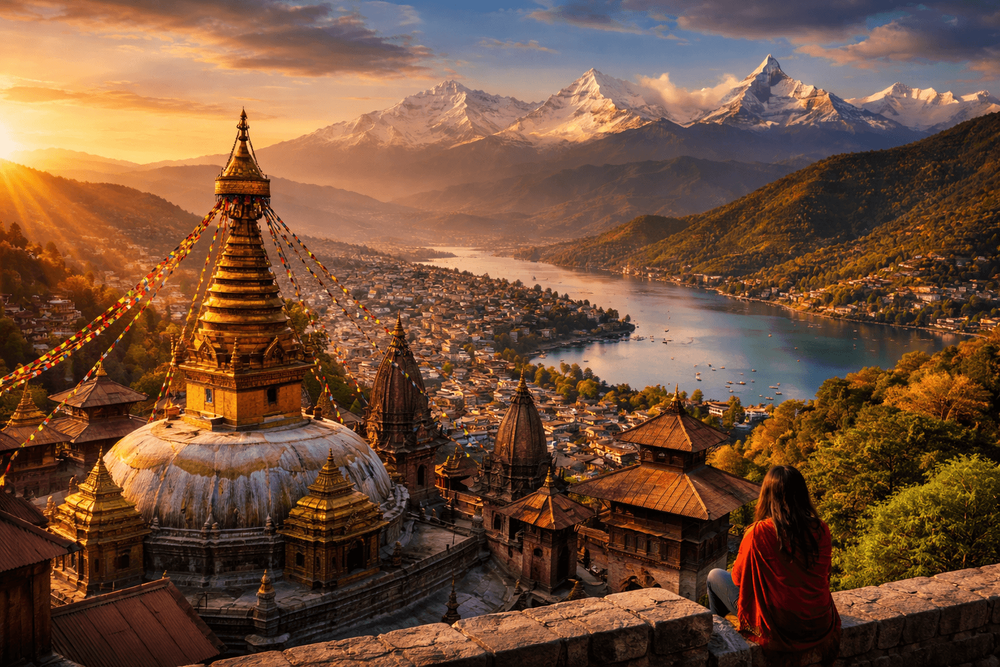
Top Tourist Spots in Nepal: Kathmandu, Pokhara, Everest & Beyond
From Kathmandu’s sacred stupas to Pokhara’s lakes and the high trails of Everest, this guide maps Nepal’s essential sights with savvy, soulful detail.
Mood
Himalayan Heritage & Adventure
At dusk in Kathmandu, the butter lamps at Boudhanath tremble in the evening breeze, gold light pooling across whitewashed curves while a thousand prayer flags whisper in the wind. Monks circle the stupa in steady rhythm, the scent of juniper and incense rising as the city exhales. It’s here—between the hush of devotion and the clamor of everyday life—that the top tourist spots in Nepal reveal their spell: a country where sacred architecture, Himalayan horizons and jungle lowlands harmonize into a journey that feels both intimate and immense.
Top Tourist Spots in Nepal: Kathmandu Valley’s Sacred Heart
The Kathmandu Valley gathers centuries of Newar artistry and living faith into a compact, endlessly walkable stage. Four sites anchor any cultural itinerary, each layered with history and ritual.

Lonely Planet Nepal: Detailed Itineraries | Travel Like a Local | Insider Tips | Covers Kathmandu, Pokhara, Terai, Mahabharat Range, and more (Travel Guide): Mayhew, Bradley, Bindloss, Joe, Brown, Lindsay, Butler, Stuart, Lama, Tsering
Lonely Planet's Nepal is <strong>our most comprehensive guide that extensively covers all the country has to offer, with recommendations for both popular and lesser-known experiences</strong>. Ex
Check Price on AmazonDurbar Squares: Palaces, Pagodas and Living Heritage
In Kathmandu, Patan (Lalitpur) and Bhaktapur, the Durbar Squares form open-air museums of Malla-era palaces, tiered pagodas and stone-carved guardians. Patan’s golden temples and fine-bronze workshops trace an unbroken line of craftsmanship; the Patan Museum is a model of interpretation. Kathmandu’s Kasthamandap and Taleju shrines show how wood and brick became poetry, while Bhaktapur’s brick lanes and courtyards—home to potters and mask-makers—feel like a city paused between centuries.
Visitor tips: Arrive early to watch the squares wake under soft light; evenings bring a hazy glow ideal for photographs. Modest dress is appreciated near shrines. Expect separate entrance fees for each square; keep tickets handy as they sometimes double as multi-day passes. Consider hiring a licensed guide to decode iconography you might otherwise miss.
Pashupatinath: Ritual on the Bagmati
One of Hinduism’s holiest Shiva temples, Pashupatinath is a place of potent intimacy, where life and death meet at the Bagmati’s cremation ghats. Sacred sadhus in ash, temple bells, conch blasts and curling sandalwood smoke create a visceral tableau. Non-Hindus cannot enter the main sanctum but can observe riverside rites and smaller shrines.
Visitor tips: Photography of cremations is sensitive—if in doubt, lower the lens. Visit at dawn or around the evening aarti for heightened atmosphere. Keep pockets zipped; crowds can be thick.
Boudhanath: A Mandala of Motion
A short hop away, Boudhanath’s colossal stupa acts as a compass for Tibetan Buddhism. Monasteries ring the kora path, prayer wheels clack in unison, and rooftop cafes offer bird’s-eye views of the ceaseless clockwise flow. At sunset, butter lamps turn the white dome honey-gold.
Visitor tips: Walk clockwise with locals, spin prayer wheels gently, and step aside to let the devotional current pass. Stay for tea and momos afterward, or deepen your culinary explorations with this guide to essential bites: Taste Nepal: Must-Try Street Foods, Where to Find Them and How to Eat Like a Local.
Swayambhunath: The Hilltop Watcher
Perched above the city, Swayambhunath (the “Monkey Temple”) pairs sweeping Himalayan-day vistas with an ancient stupa guarded by playful macaques. The climb—up a steep stairway fringed by prayer wheels—rewards with views from Kathmandu’s roofs to the distant, serrated skyline.
Where to stay: The heritage-rich Dwarika’s Hotel gathers salvaged temple woodwork and courtyards into a sanctuary near Pashupatinath; at dusk, its brick arcades glow like an old Kathmandu dream.
Everest and Annapurna: Himalayan Highlights
The Himalaya are Nepal’s north star, guiding pilgrims, trekkers and daydreamers alike. Whether travelers lace up for a multi-day trek or opt for gentler viewpoints, these ranges define many of the top tourist spots in Nepal.
Everest Region: Lukla, Namche, Tengboche and the Classic Viewpoints
Most Everest journeys start with a short, dramatic flight to Lukla (weather delays are common). Trails thread through rhododendron forests and Sherpa hamlets to Namche Bazaar, a horseshoe amphitheater of lodges and gear shops where acclimatization days are non-negotiable. From here, day hikes to the Everest View Hotel or Khumjung deliver first panoramas of Everest, Lhotse and Ama Dablam—peaks so finely etched they seem unreal.
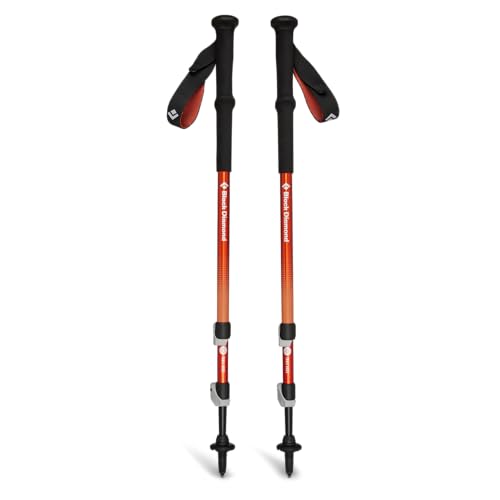
BLACK DIAMOND Trail Back Trekking Poles (Pair) | Durable Aluminum | FlickLock Adjustability | Comfortable Grips for Hiking & Backpacking | Dark Crimson
View on AmazonPushing higher, Tengboche Monastery sits like a prayer on a ridge, its dawn chants echoing against snow. Farther still, the high-altitude amphitheater of Gorak Shep sets the stage for Kala Patthar, the famed viewpoint where Everest’s pyramid rises close and stark.
- Difficulty: Moderate to strenuous; altitude is the true test. Train your legs, but also your pacing and hydration habits.
- Best seasons: Mid-March to May (flowering hillsides, typically clear mornings) and late September to November (crisp skies, stable trails). Winter brings quiet beauty but bitter cold; monsoon means lush valleys, leeches and clouds.
- Alternatives: If trekking isn’t feasible, consider a scenic mountain flight from Kathmandu for window-seat views of the Everest massif.
Annapurna Region: Short Gems and Grand Classics
The Annapurnas are the more flexible playground, with trailheads easily accessed from Pokhara.
- Poon Hill (Ghorepani): A beloved two-to-four-day ramble through stone villages and terraced hillsides, culminating in a sunrise panorama that unfurls from Dhaulagiri to Machhapuchhare (Fishtail). Ideal for families and first-time trekkers.
- Annapurna Base Camp (ABC): A week-plus of steady ascent through bamboo groves and glacial valleys to a high cirque where peaks ring the horizon like a crown. Demanding but achievable with good fitness.
- Annapurna Circuit (shortened): New jeep roads have reshaped the classic route, but segments between Manang and Thorong La still deliver big-mountain drama. Crossing the 5,416-meter pass demands acclimatization discipline and layers for sudden squalls.
Permits and planning: Most trekkers need a TIMS registration and conservation permits (ACAP for Annapurna, Sagarmatha NP for Everest); rules evolve, and some routes require licensed guides—check current regulations before departure. For deeper, responsible-spirited planning, see Adventure Nepal: Treks, Peaks, Rivers & Responsible Thrills.
Pokhara: Lakeside Light and Soft Adventure
Mirrored in Phewa Lake, Pokhara’s serrated skyline rises like a mirage—Machhapuchhare’s sawtooth peak crisper here than anywhere. The pace softens along Lakeside’s promenades: oar strokes tapping water, the clink of teacups, the soft clatter of paragliders touching down on the far shore.
- Phewa Lake: Hire a wooden doonga with a boatman or paddle yourself to the island temple of Tal Barahi. On still mornings, reflection shots verge on surreal.
- Sarangkot Sunrise: Pre-dawn drives climb to the ridge for a full sweep of Annapurna and Dhaulagiri igniting from violet to rose. It can be brisk; bring layers.
- Paragliding: Tandem flights float from Sarangkot over lake and rice terraces—gentle thermals, big views, minimal effort.
- Peace Pagoda & Caves: The World Peace Pagoda offers a meditative loop with views across the valley, while Gupteshwor Mahadev Cave and Mahendra Cave carve corridors of limestone and echoing shrines beneath.
Tastes and tables: From wood-fired pizzas to Thakali sets, the food scene is honest and varied. Couples angling for a candlelit evening with peaks as the backdrop will find ideas in Romantic Restaurants in Nepal: Candlelit Rooftops, Lakeside Dinners & Himalayan Views.
Where to stay: The Pavilions Himalayas tucks eco-conscious villas amid organic farms just beyond town, marrying serenity with views that reward every dawn wake-up.
Lumbini: The Buddha’s First Footsteps
In the Terai lowlands, Lumbini’s quiet geometry of monasteries and water gardens centers on the Maya Devi Temple, which marks the Buddha’s birthplace. Pilgrims light candles beneath bodhi trees; the air is tender with birdsong and bicycle bells.
- Highlights: The Sacred Garden, Ashokan Pillar, and national monasteries—from stark Zen lines to ornate Tibetan flourishes—spread across a vast monastic zone navigable by bicycle rickshaw or rental bike.
- Best time: Mornings and late afternoons temper the heat. Winter is particularly pleasant; summers can be sweltering.
Wildlife and Rural Nepal: Jungles, Birds and Village Time
Nepal’s southern belt replaces granite with grassland, swapping crampons for binoculars.
Chitwan National Park: Where the Rhino Roams
Chitwan’s riverine forests and elephant grass harbor one-horned rhinos, gharials sunning on sandbars, sloth bears and, if luck holds, the ghost-quiet tread of Bengal tigers. Jeep safaris cover ground efficiently; guided nature walks and canoe drifts on the Rapti bring subtler pleasures—kingfishers flashing blue, a peacock’s startled lift-off.
Ethics matter: Choose operators who avoid elephant riding in favor of observation and enrichment programs. Night skies here crackle with stars; mornings smear gold over misty meadows.
Where to stay: Low-impact luxe meets vernacular design at Tiger Tops Tharu Lodge, where thatch-roof rooms, naturalist-led walks and village visits feel woven into the landscape, not laid atop it.
Tharu Culture and the Texture of the Terai
The Tharu people have shaped these plains for centuries; their stilted houses, basketry and dance traditions offer insight into a rhythm tied to flood and forest. Seek community-led experiences that prioritize cultural dignity and economic benefit. Homestays around Chitwan and Bardia can be meaningful bridges when approached with respect.
Hill Villages and Off-the-Beaten-Path Pauses
Between Kathmandu and Pokhara, mid-hill towns like Bandipur and Gorkha hold cobbled lanes, carved windows and long views across terraced folds. Days stretch into golden hours of milk tea and slow conversations on verandas. For backpackers plotting a frugal circuit with characterful stays, see Hostel Recommendations in Nepal: Best Picks for Trekkers, Backpackers & Budget Travelers.
Practical Essentials for Exploring Nepal’s Top Spots
- Best seasons: October–November (post-monsoon clarity, festival energy—Dashain and Tihar) and March–May (flowering rhododendrons, gentler warmth). December–February is cold at altitude but pleasant in the Terai. June–September brings monsoon rains, lush valleys and occasional travel disruption.
- Permits and fees: Expect site entrance fees in Kathmandu Valley and permits for treks—TIMS plus conservation or national park permits (e.g., ACAP for Annapurna, Sagarmatha for Everest). Some regions (Upper Mustang, Manaslu) require restricted-area permits and licensed guides. Regulations evolve; verify with a reputable local operator before arrival.
- Getting around: Tribhuvan International Airport in Kathmandu is the main gateway. Domestic flights connect Pokhara, Bharatpur (for Chitwan) and, weather permitting, Lukla for Everest treks. Tourist buses and private jeeps link major hubs; road journeys are scenic but slow—plan generously.
- Suggested durations: Kathmandu Valley, 2–3 days for key squares and stupas; Pokhara, 2–3 days plus more if adding paragliding or day hikes; Chitwan, 2–3 nights for multiple safaris; Lumbini, 1–2 nights; Poon Hill trek, 3–5 days; Annapurna Base Camp, 7–10 days; Everest Base Camp via Namche and Kala Patthar, 12–14 days.
- Health and altitude: Build acclimatization days into any high-altitude itinerary; ascend gradually and hydrate. Carry layers—sun can burn by noon, temperatures swing by dusk. Purify water rather than buying plastic; many lodges provide refills.
- Money and connectivity: ATMs cluster in cities; carry cash for mountains and villages. Local SIMs (with passport) are cheap; coverage fades with altitude.
- Accessibility: Nepal’s heritage sites and hill towns often involve steps and uneven paving. Boudhanath’s kora is relatively level; jeeps in Chitwan accommodate most travelers. Those avoiding altitude can still savor mountain views from Pokhara or via scenic flights.
- Culture and conduct: Dress modestly at temples and remove shoes where indicated. Always ask before photographing people. Spin prayer wheels clockwise; walk around stupas in the same direction. Responsible trekking includes fair porter loads and eco-sensitive choices. For a fuller taste-led introduction to the capital’s culinary spirit, consider a guided stroll via Taste Nepal: Must-Try Street Foods, Where to Find Them and How to Eat Like a Local.

Katadyn BeFree 1.0L Water Filter, Fast Flow, 0.1 Micron EZ Clean Membrane for Endurance Sports, Camping and Backpacking, One Size, 8018006
View on AmazonFinally, remember that the top tourist spots in Nepal are not just points on a map but living spaces: monasteries tuned to dawn rituals, markets that smell of cardamom and diesel, river meadows where rhinos surface like armored ships. With a little planning—and an openness to slow time—travelers will find a country that lingers long after the passport stamp dries.
Recommended Travel Gear
Lonely Planet Nepal: Detailed Itineraries | Travel Like a Local | Insider Tips | Covers Kathmandu, Pokhara, Terai, Mahabharat Range, and more (Travel Guide): Mayhew, Bradley, Bindloss, Joe, Brown, Lindsay, Butler, Stuart, Lama, Tsering
Lonely Planet's Nepal is <strong>our most comprehensive guide that extensively covers all the country has to offer, with recommendations for both popular and lesser-known experiences</strong>. Ex
BLACK DIAMOND Trail Back Trekking Poles (Pair) | Durable Aluminum | FlickLock Adjustability | Comfortable Grips for Hiking & Backpacking | Dark Crimson
BLACK DIAMOND Pursuit Trekking ... ... The Black Diamond Trail Back trekking pole <strong>provides dependable stability and easy adjustment for any on-trail adventure</strong>....
Katadyn BeFree 1.0L Water Filter, Fast Flow, 0.1 Micron EZ Clean Membrane for Endurance Sports, Camping and Backpacking, One Size, 8018006
With Katadyn's strong 90 year ... in any situation. BeFree's 0.1 micron water filter <strong>removes harmful organisms like bacteria and protozoa like Giardia & Cryptosporidium</strong>.