
Top Travel Tips for Nepal: Practical, Safe, and Responsible Advice for First-Time Visitors
Visas, seasons, permits, health, transport, etiquette, and eco-savvy packing—expert tips for a safe, responsible first trip to Nepal.
Mood
Practical Adventure Guide
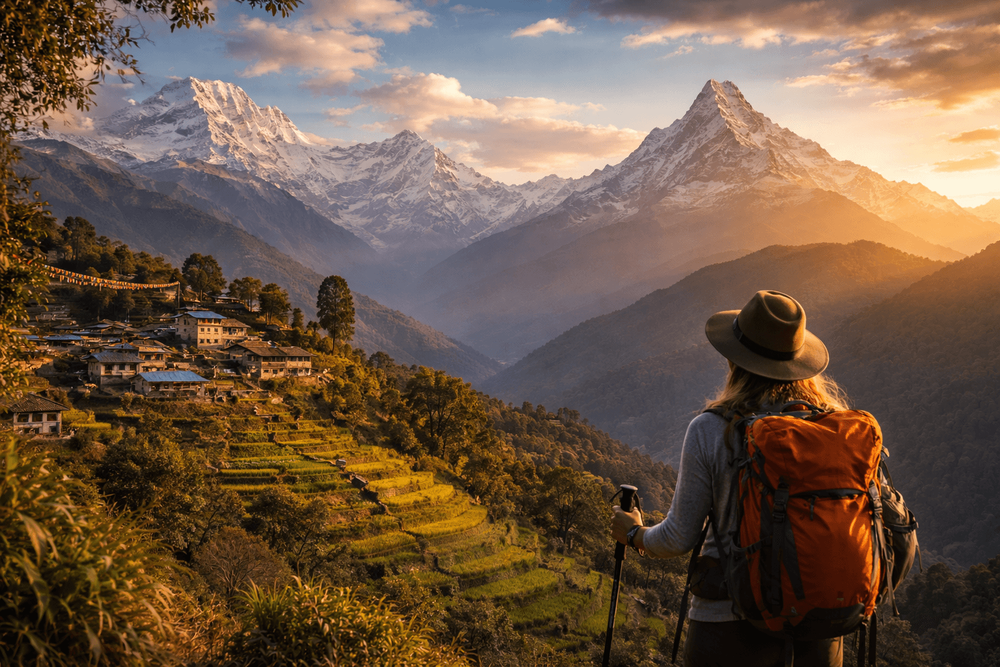
At dawn in Kathmandu, the city wakes to a bell’s soft chime and the whisper of prayer flags along temple eaves. Incense curls above marigold garlands, pani puri carts rattle into alleys, and the Himalaya glow rose-gold beyond the smog-soft valley. This is where the journey begins—and where the top travel tips for Nepal matter most, turning bewilderment into fluency so travelers can move from jet-lagged arrivals to mountain-bound confidence.
Top Travel Tips for Nepal: Pre‑Trip Essentials
Lonely Planet Nepal: Detailed Itineraries | Travel Like a Local | Insider Tips | Covers Kathmandu, Pokhara, Terai, Mahabharat Range, and more (Travel Guide): Mayhew, Bradley, Bindloss, Joe, Brown, Lindsay, Butler, Stuart, Lama, Tsering
Lonely Planet's Nepal is <strong>our most comprehensive guide that extensively covers all the country has to offer, with recommendations for both popular and lesser-known experiences</strong>. Ex
Check Price on AmazonVisas and entry
Most nationalities can obtain a visa on arrival at Tribhuvan International Airport (Kathmandu) and select land borders. Expect kiosks for the application and payment counters inside the terminal; carry a passport valid for at least six months, a spare passport photo (policies change), and a credit card or crisp U.S. dollars. Tourist visas typically come in 15, 30, and 90-day options. Fees and eligible nationalities change—verify the latest guidance with Nepal’s Department of Immigration before departure. Extending a visa in Kathmandu or Pokhara is straightforward if travel plans stretch.
Air arrivals are most common via Kathmandu, though the newer international airports in Bhairahawa (near Lumbini) and Pokhara have limited regional services that evolve year by year. Overland entry is possible from India and Tibet/China (the latter subject to periodic closures), but road conditions and bureaucracy are more time-consuming than flights.
Best seasons to visit
Autumn (October–November) offers the clearest skies after the monsoon, with crisp mountain views and lively festival calendars. Spring (March–May) brings rhododendron forests in bloom and warmer trekking temperatures. Winter (December–February) is dry and quiet at lower elevations but biting at altitude, while the monsoon (June–September) brings lush hillsides, afternoon downpours, and leeches on popular mid-hill trails. For a detailed month-by-month breakdown—trekking windows, wildlife sightings, festival timing—see the Best Time to Explore Nepal: Season-by-Season Guide.
Trekking permits and regulations
Permits vary by region and are rigorously checked. In most popular trekking areas, hikers now need to book through a registered agency, obtain a TIMS (Trekkers’ Information Management System) card via that agency, and trek with a licensed guide. The Everest (Khumbu) region uses a local Khumbu Pasang Lhamu Rural Municipality permit in addition to the Sagarmatha National Park entry fee rather than TIMS. Annapurna (ACAP) and Langtang require conservation or national park permits plus TIMS issued through agencies. Restricted regions—Upper Mustang, Dolpo, and sections of Manaslu and Kanchenjunga—require special permits, a registered guide, and adherence to current group-size rules. Regulations evolve; confirm requirements with the Nepal Tourism Board or a reputable outfitter before booking. For inspiration and responsible planning, see Adventure Nepal: Treks, Peaks, Rivers & Responsible Thrills.
Travel insurance
Insurance that explicitly covers trekking altitude, medical evacuation by helicopter, and trip interruption is essential. Verify the maximum covered elevation (many policies cap below 6,000 meters), how claims are initiated in the field (satphone or app), and whether pre-authorization is required for evacuation.
Health, Vaccinations, and High Altitude
Vaccination basics and common ailments
Consult a travel clinic 6–8 weeks before departure. Typical recommendations include Hepatitis A, Typhoid, and up-to-date Tetanus/Diphtheria; Rabies and Japanese Encephalitis may be advised for extended rural stays. Malaria is limited to parts of the southern Terai; protection against mosquitos (repellent, long sleeves) also deters dengue. In cities, travelers’ diarrhea is the most common disruption—choose busy eateries, eat cooked-to-order foods, and treat water. Kathmandu’s dust can aggravate respiratory issues; a light mask helps on dry, windy days.
Reliable clinics include CIWEC Travel Medicine Center (Kathmandu and Pokhara), Grande International Hospital, and Patan Hospital. On major trekking routes, seasonal Himalayan Rescue Association clinics operate in Manang and Pheriche.
Understanding altitude sickness
Acute Mountain Sickness (AMS) results from rapid ascent, not fitness level. It begins with headache, poor sleep, nausea, or loss of appetite above 2,500–3,000 meters and can progress to serious conditions (HAPE/HACE) if ignored.
Practical prevention:
- Ascend gradually: once above 3,000 meters, limit sleeping elevation gains to 300–500 meters per day and build a rest/acclimatization day every 1,000 meters.
- Follow “climb high, sleep low” where terrain allows.
- Hydrate, eat well, and avoid alcohol until fully acclimatized.
- Consider acetazolamide (Diamox) prophylaxis after consulting a medical professional; carry ibuprofen for headaches and anti-nausea meds as advised.
- At the first sign of severe symptoms, descend. No summit or pass is worth a compromised brain or lungs.
Helicopter evacuation is possible but weather dependent; carry adequate insurance and have your agency’s emergency protocol and numbers saved offline.
Getting Around and Everyday Logistics
Domestic flights, buses, and road realities
Nepal’s geography makes domestic flights efficient but weather-sensitive. Popular hops include Kathmandu–Pokhara, Kathmandu–Bharatpur (for Chitwan), and Nepalgunj (gateway to the remote west). Flights to Lukla, the gateway to Everest treks, are famous for delays; aim for the earliest departure of the day and build flex days into the itinerary.
On the ground, road travel is scenic but slow. Tourist buses and private jeeps connect Kathmandu with Pokhara, Chitwan, and Lumbini; microbuses serve shorter routes. Landslides during monsoon and ongoing road works can add hours. Motion-sickness tablets are wise for those prone to vertigo on switchbacks. After dark, rural driving is best avoided.
Taxis in Kathmandu and Pokhara are plentiful; insist on the meter or agree a fare before starting (airport to Thamel has a prepaid counter). Ride-hailing apps are growing but not ubiquitous. For day trips and multi-day circuits, hiring a vehicle with driver through a reputable agency increases safety and reliability.
For travelers assembling their wish list of cities, sacred sites, and nature reserves, this overview of Top Tourist Spots in Nepal: Kathmandu, Pokhara, Everest & Beyond helps map distances, travel times, and the rhythm of a first trip.
Guides and porters
With guide requirements expanding across major trekking regions, selecting a well-regarded, licensed guide is one of the most important top travel tips for Nepal. Choose agencies that insure porters, cap porter loads (ideally 15–20 kg), provide proper gear, and follow Leave No Trace practices. Many travelers tip guides and porters at journey’s end; ask your outfitter for customary ranges and adjust according to difficulty and service.
SIM cards and staying connected
Ncell and Nepal Telecom (NTC) offer the broadest coverage. Purchase a SIM at the airport or in Thamel/Pokhara with passport and visa; data packages are inexpensive. In the mountains, service is patchy—Everest region has improving 3G/4G and paid Wi‑Fi (Everest Link), but outages are routine. Download offline maps (Maps.me, Gaia), carry a power bank, and expect to unplug at higher altitudes.
![Ceptics India Travel Plug Adapter (Type D) for Pakistan, Nepal, Bangladesh - 3 Pack [Grounded & Universal] (GP-10-3PK) : Electronics](https://m.media-amazon.com/images/I/51cCZNUZUYL.jpg)
Ceptics India Travel Plug Adapter (Type D) for Pakistan, Nepal, Bangladesh - 3 Pack [Grounded & Universal] (GP-10-3PK) : Electronics
View on AmazonMoney, ATMs, and payments
The currency is the Nepalese Rupee (NPR). ATMs are common in Kathmandu and Pokhara, with variable withdrawal limits and fees; outside main hubs, cash rules. Exchange rates are often better at licensed money changers than at hotels. Carry small notes for tea houses and tipping, and keep a reserve of crisp USD for permits or emergencies. Major hotels and outfitters take cards; in rural lodges, expect cash only. Keep wallets and phones zipped on crowded buses and markets.
Cultural Etiquette and Staying Safe
Nepal is warm and welcoming, and courtesy carries far. A simple “Namaste,” palms together, opens doors from tea houses to temples.
Temple manners and dress
- Remove shoes and hats before entering shrines; shoulders and knees should be covered in temples and monasteries.
- Walk clockwise around stupas and spin prayer wheels the same direction.
- Some Hindu temples restrict entry for non-Hindus—observe local signage and ask before crossing thresholds.
- Ask before photographing people, especially monks, sadhus, and anyone in prayer.
Everyday etiquette
Pass objects (and money) with the right hand; avoid pointing the soles of your feet at people or altars. Public displays of affection are uncommon. Beef is sensitive due to the sacred status of cows; it’s prudent to opt for chicken, buffalo, or vegetarian in traditional settings. Bargaining is light-touch and good-natured in markets; fixed prices increasingly appear in shops.
Scams, laws, and gender-aware tips
Overcharging taxis and “overhelpful” luggage porters are garden-variety hassles—set prices in advance and decline unsolicited help. Drug laws are strict; possession can lead to detention. Avoid volunteering with unvetted orphanages and be wary of anyone pressing high-cost helicopter “rescues” for minor ailments. Solo female travelers report generally positive experiences; modest dress and using registered taxis at night reduce unwanted attention. Keep accommodation doors locked and valuables in hotel safes.
Earthquakes and road safety
Nepal is seismically active. Know hotel exits, carry a headlamp, and store copies of documents offline. On roads, buckle up, avoid night travel where possible, and choose reputable drivers; motorbike rentals are for confident riders only and always with helmets.
Responsible Travel and Smart Packing
Nepal’s mountains are fragile and its communities resilient; traveling responsibly preserves both.
Trek lightly and hire locally
- Follow established trails; cutting switchbacks leads to erosion.
- Pack out all waste. Bring a reusable bottle and a purification method (filter, iodine/chlorine drops, or UV pen) to avoid single-use plastic.
- Choose lodges and outfitters that invest in villages and porters, use alternative energy where possible, and limit firewood consumption.
- Support local economies by hiring local guides and buying snacks, yak-wool gloves, and handicrafts along the route rather than importing gear.

Katadyn BeFree 1.0L Water Filter, Fast Flow, 0.1 Micron EZ Clean Membrane for Endurance Sports, Camping and Backpacking, One Size, 8018006
View on AmazonFor eco-forward places to stay between treks, this guide to Eco‑Friendly Hotels in Nepal highlights properties that pair comfort with a lighter footprint.
Where to stay: curated picks
- The Dwarika’s Hotel (booking-url) occupies a lovingly restored Newari complex in Kathmandu, all latticed windows, hand-carved pillars, and a courtyard pool scented with incense—an atmospheric first or last night that doubles as a crash course in Nepali craftsmanship.
- In Pokhara, The Pavilions Himalayas (booking-url) tucks into an organic farm at the valley’s edge, with slate roofs, solar power, and a birdsong dawn that makes early treks feel effortless.
- For trekkers easing into altitude, Yeti Mountain Home Namche (booking-url) offers thick duvets, steaming showers, and picture windows framing Everest-region ridgelines—comfort that encourages unhurried acclimatization.
Packing checklist for valleys and high country
Weather swings fast between subtropical valleys and alpine passes. Pack for layers and simplicity:
- Footwear: broken-in waterproof trekking boots; lightweight camp shoes.
- Layers: moisture-wicking base, midweight fleece, insulated down jacket, and a waterproof/windproof shell.
- Head and hands: warm hat, sun hat, UV sunglasses with side coverage, liner and insulated gloves.
- Sleep: 3–4 season sleeping bag (−5°C to −10°C comfort) for high treks; tea houses provide blankets but not always enough in shoulder seasons.
- Health and water: personal first-aid kit, blister care, Diamox if prescribed, oral rehydration salts, water purifier, sunscreen (SPF 50+), lip balm, hand sanitizer.
- Tech and power: power bank, universal adapter (Type C/D/M), headlamp with spare batteries, offline maps, copies of documents stored offline.
- Day-to-day: quick-dry towel, lightweight trekking poles, dry bags, gaiters (for snow or monsoon mud), and a pack rain cover.
- City extras: a light scarf or shawl for temple visits; a simple mask for dusty days in Kathmandu.
Food and water confidence
Choose busy, popular eateries; avoid raw salads outside higher-end restaurants; go for boiled, baked, or stir-fried. In teahouses, dal bhat fuels mountains better than any gel—seconds come free with a smile. For an appetizing orientation to local specialties and how to order them, see Taste Nepal: Must-Try Street Foods, Where to Find Them and How to Eat Like a Local.
Putting It All Together
A first journey to Nepal balances ritual and spontaneity: visas ready, permits in order, insurance confirmed; then the rest—monkeys scampering across temple spires, the butter-lamp glow of a monastery at dusk, the crunch of frost below a rhododendron canopy—can unfold. Keep these top travel tips for Nepal close, move with patience, and let the country set the pace. The reward is a kind of attentiveness learned on switchbacks and in tea houses: slow, generous, and lasting, long after the prayer flags quiet.
Recommended Travel Gear
Lonely Planet Nepal: Detailed Itineraries | Travel Like a Local | Insider Tips | Covers Kathmandu, Pokhara, Terai, Mahabharat Range, and more (Travel Guide): Mayhew, Bradley, Bindloss, Joe, Brown, Lindsay, Butler, Stuart, Lama, Tsering
Lonely Planet's Nepal is <strong>our most comprehensive guide that extensively covers all the country has to offer, with recommendations for both popular and lesser-known experiences</strong>. Ex
Katadyn BeFree 1.0L Water Filter, Fast Flow, 0.1 Micron EZ Clean Membrane for Endurance Sports, Camping and Backpacking, One Size, 8018006
With Katadyn's strong 90 year ... in any situation. BeFree's 0.1 micron water filter <strong>removes harmful organisms like bacteria and protozoa like Giardia & Cryptosporidium</strong>.
Ceptics India Travel Plug Adapter (Type D) for Pakistan, Nepal, Bangladesh - 3 Pack [Grounded & Universal] (GP-10-3PK) : Electronics
Ceptics India, Nepal, Bangladesh Travel Adapter Plug with Dual USB - Type D - Usa Input - <strong>Ultra Compact - Safe Grounded Perfect for Cell Phones, Laptops, Camera (CTU-10)</strong>