
Authentic Cultural Tours in Bolivia: Indigenous Traditions, Festivals & Community Immersion
From Titicaca sunrises to Oruro’s masked dances, explore immersive, community-led cultural tours across Bolivia’s markets, festivals, homestays, and historic cities.
Mood
Cultural Deep-Dive
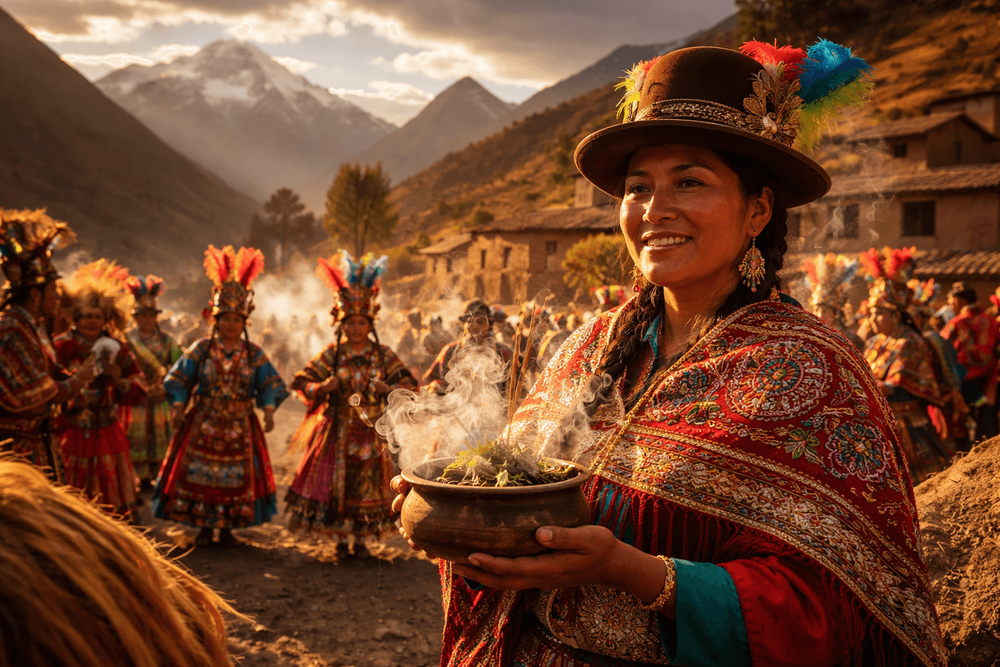
At dawn in La Paz, incense curls through thin Andean air as yatiris—Aymara ritual specialists—arrange miniature houses and tiny llamas on street-side altars. A brass band warms up down the block; an aguayo blanket flashes its jewel-toned weave against basalt cobbles. Few countries hold so many living traditions so close to the everyday as Bolivia, and cultural tours in Bolivia invite travelers into this layered world—where pre-Columbian cosmologies, colonial legacies, and contemporary indigenous movements all share the same plaza.
An Evolving Mosaic: Bolivia’s Cultural Landscape
Bolivia’s cultural story is written across one of South America’s most dramatic geographies. On the wind-brushed Altiplano plateau, Aymara and Quechua lifeways are anchored by ritual calendars, resilient highland agriculture, and the cadence of panpipes. Far below, the Amazonian lowlands are warm and river-laced, home to Guaraní and dozens of other nations whose craft, music, and forest knowledge feel closer to the equator than to the snowfields of Huayna Potosí.

Lonely Planet Bolivia (Travel Guide): Albiston, Isabel, Grosberg, Michael, Johanson, Mark
Lonely Planet's Boliviais <strong>your passport to the most relevant, up-to-date advice on what to see and skip, and what hidden discoveries await you</strong>. Explore the world's largest s
Check Price on Amazon- Major indigenous groups: The Aymara—centered around Lake Titicaca and the La Paz–El Alto region—carry distinct dress, language, and ritual practice; the Quechua—spread through Cochabamba, Sucre, and Potosí—maintain storied weaving traditions and agricultural cycles; the Guaraní—predominant in the Chaco and Santa Cruz lowlands—share a history intertwined with Jesuit missions and choral baroque music.
- Languages and identity: Alongside Spanish, Aymara and Quechua are widely spoken, with Guaraní and more than 30 other indigenous languages officially recognized. Since 2009, Bolivia has defined itself as a Plurinational State, and the rainbow-checkered Wiphala flag—once marginal—now flies beside the tricolor in public life.
- History and social context: Tiwanaku’s monumental stones predate the Inca, whose imperial road linked highland valleys with the silver city of Potosí. Spanish conquest forged mining economies and Catholic devotions that would later fuse with Andean cosmologies. In recent decades, indigenous social movements have reframed national identity; today, cultural expression—textiles, music, festivals—often serves as both art and assertion of sovereignty.
- Regional contrasts: The Altiplano’s stark light, ritual calendars, and wool-based crafts stand in sharp relief to the Amazon’s river-borne trade, forest materials, and Guaraní–Chiquitos mission towns, where baroque facades glow at sunset and violins carry hymns deep into the evening.
Cultural Tours in Bolivia: Signature Experiences
Cultural tours in Bolivia are best experienced as a constellation of moments—market mornings, festival nights, and quiet time with artisans—stitched together across the country’s valleys, plateaus, and forests.
Markets and Everyday Rituals
- La Paz’s Mercado de las Brujas: A stroll through the “witches’ market” reveals mesas—bundles for Andean offerings—stacked beside medicinal herbs, llama fetuses used in foundational blessings, and rows of miniature goods for Alasitas, the January feast of abundance. With a skilled local guide, travelers learn the ethics of observation here: ask before photographing, keep distance from ceremonies, and support vendors through respectful purchases.
- Tarabuco Sunday Market: Near Sucre, the Yampara people arrive in traditional monteras and embroidered ponchos. Stalls brim with tight-loomed Jalq’a and Tarabuco textiles—cosmological stories rendered in alpaca and sheep’s wool. It’s one of the best places to learn how motifs encode mountain spirits, constellations, and agricultural tasks.
- Cochabamba’s La Cancha: A country within a market, La Cancha arranges Bolivian life by aisle—quinua next to copper pots, chicha pitchers beside bundles of coca leaves. Tastings of api morado (warm purple-corn drink) and salteñas turn a market ramble into a culinary primer. For travelers who want to go deeper on foodways, see our guide to Savor Bolivia: What to Expect on Culinary Tours and Food Experiences.
Lakeside Cosmologies: Titicaca and Beyond
Lake Titicaca, the “Birthplace of the Sun” in Andean cosmology, straddles Peru and Bolivia. While the famed Uros and Taquile communities lie on the Peruvian side, cultural tours on the Bolivian shore focus on Isla del Sol and Isla de la Luna, where Aymara families maintain terraced fields and pre-Inca shrines still anchor solstice ceremonies. In communities like Yumani and Challapampa, visitors can join local guides for ridge walks between Inca stairways, eat trout pulled fresh from cold waters, and—importantly—learn what the lake means in today’s Aymara life.
Further south, the Uru-Chipaya people inhabit the wetlands around Lake Coipasa and the former shores of Lake Poopó. Their reed-craft, fishing traditions, and flood-adapted stilt architecture connect to a different aquatic world—best visited on community-led tours that keep group sizes small and expectations calibrated to slow rhythms.
Colonial Cities and Mining Heritage
- Sucre: Bolivia’s constitutional capital is all whitewashed courtyards, orange-tile roofs, and lilting choirs. Cultural tours here often pair architectural walks—cathedrals, cloisters, and the Casa de la Libertad—with visits to textile cooperatives where Jalq’a weavers demonstrate backstrap-loom techniques. At day’s end, the Parador Santa Maria La Real occupies a lovingly restored mansion where galleries overlook cloistered patios, a contemplative base for museum-hopping and market mornings.
- Potosí: From the Catedral’s silverwork to Cerro Rico’s brooding silhouette, Potosí tells a complex story of wealth, extraction, and labor. Some travelers opt to visit active mines; if so, choose ethical operators who supply proper PPE, prioritize safety, and avoid exploitative “human zoo” dynamics. Better yet, visit miners’ cooperatives in town, museums like the Casa de la Moneda, and workshops that trace silver’s journey into sacred art.
Festivals and Rituals
- Oruro Carnival: A UNESCO-listed feast of masks, brass, and devotion, Oruro’s Entrada weaves Catholic and Andean storylines into the Diablada, Morenada, and Caporales dances. Booking early is essential; a local guide helps interpret layered symbolism, from miner saints to serpent masks.
- Alasitas (La Paz, Jan 24): For one month, the Ekeko—god of abundance—rules the capital as people buy miniatures of everything they hope to receive in the year ahead. A yatiri blesses the tiny goods with incense and firecrackers, the city perfumed with copal and promise.
- Willkakuti (Aymara New Year, June 21): At Tiwanaku, hands rise to catch the first light of winter solstice. Cultural tours here pair ruins with ritual—a rare, moving synthesis of archaeology and living tradition.
- Gran Poder (May/June): One of La Paz’s most spectacular processions, Gran Poder channels the city’s neighborhood fraternities into a river of brocade, syncopated drums, and gold-threaded masks.
- Lowland baroque festivals: In the Chiquitos mission towns east of Santa Cruz, biennial music festivals fill wooden churches with 18th-century scores, performed by indigenous orchestras with swaying precision.
Music, Dance, and Soundscapes
Bolivia’s soundtrack shimmers from siku panpipes and bombo drums to the bright, plucked charango. In the highlands, the Diablada’s brass surges like a storm front; in the lowlands, baroque chorales entwine with birdsong under timber beams. Cultural tours often include dance workshops, instrument-makers’ studios, or rehearsals with community troupes, where steps and rhythms become a living vocabulary.
Flavors as Cultural Memory
From market stalls to family kitchens, Bolivia’s cuisine is a text of place and season. Salteñas drip with cumin-rich broth; anticuchos sizzle on dusk-lit corners; chuño (freeze-dried potato) flavors highland soups; and quinoa fields ripple like pale gold on breezy slopes. In the lowlands, mote and manioc anchor plates, while cuñapé—chewy cheese breads—arrive warm and irresistible. For travelers intrigued by how food maps onto identity, Savor Bolivia: What to Expect on Culinary Tours and Food Experiences offers deep dives and tastings.
Community-Led Immersion: Homestays, Workshops, and Cooperatives
The most meaningful cultural tours in Bolivia are built with communities, not just within them. Look for programs where local councils or cooperatives drive the agenda and the revenue stays in the village.
- Homestays: On Isla del Sol, terraced farms fall to sapphire water. Evenings might bring stories of lake spirits and planting cycles by candlelight; mornings, an initiation into hoeing quinoa or baking bread in clay ovens. In the valleys near Sucre, families welcome guests to share harvest meals and weaving afternoons, translating patterns into shared laughter. In the Amazon, Guaraní and Chiquitano hosts interpret forest trails, medicinal plants, and river lore at a slower, more contemplative pace.
- Artisan workshops: Learn to card wool and spin yarn in Jalq’a communities; dye fibers with cochineal and k’oa; try your hand at Andean backstrap looms where each pick sets a star or llama into being. In the lowlands, ceramicists and woodcarvers shape river clay and rosewood into utilitarian beauty.
- Cooperative visits: Longstanding networks—some gathered under social-tourism umbrellas—offer transparent models where guides, hosts, and artisans set prices and protocols. Ask operators how income is split; the best programs invest in scholarships, health posts, or loom-repair funds.
- Ethical modeling: Real immersion means staying in community-run lodges, eating home-cooked food, and traveling light on expectations. Respect that rituals are not performances; some spaces are not for cameras. Choose operators who cap group sizes, employ local guides in Aymara/Quechua/Guaraní, and welcome pre-trip sensitization conversations.
For bespoke, small-footprint itineraries—private access to festivals, scholar-led site visits, even meetings with Kallawaya healers—consider partnering with specialists in exclusive Andean experiences: Luxury Bolivia: Bespoke Lodges, Private Salar Tours & Exclusive Andean Experiences.
Where to Stay: Character-Rich Bases for Cultural Exploration
- La Paz: In the leafy, art-forward Calacoto district, the Atix Hotel doubles as a contemporary gallery for Bolivian artists—an elegant counterpoint to days spent in cable cars and markets, with Andean design details polished to a high sheen.
- Sucre: The Parador Santa Maria La Real folds centuries into its courtyards—colonial columns, carved doors, tiled staircases—within steps of museums and artisan cooperatives.
- Lake Titicaca: On Isla del Sol, the Ecolodge La Estancia threads adobe cottages along a sunlit ridge. Terraces capture long views of Cordillera Real icefields and fishermen’s skiffs, a setting that honors the lake’s sacred hush.
Practical Guidance for Responsible Cultural Travel
When to Go
- Dry season (May–Oct): Clear skies and crisp nights suit highland markets and festivals; rural roads are more reliable. June solstice (Willkakuti) at Tiwanaku and late May/June Gran Poder in La Paz are seasonal anchors.
- Wet season (Nov–Mar): Lush valleys and fewer crowds, but be ready for afternoon storms and occasional road disruptions. Oruro Carnival (Feb/Mar) surges during this time; book well ahead.
- Lowland festivals: The Chiquitos baroque music festival typically runs biennially in late April/May; shoulder months bring softer heat.
Altitude and Health
- Gradual ascent: Many cultural routes string together La Paz (3,600–4,000 m), Titicaca (3,800 m), Potosí (4,067 m), and Uyuni (3,650 m). Plan an extra day for acclimatization at each new height.
- Hydration and diet: Water, light meals, and coca tea help; avoid alcohol your first 48 hours at altitude. Those with heart, lung, or anemia concerns should consult physicians before travel; some use acetazolamide prophylactically.
- Sun and cold: UV is fierce; pack SPF 50, a brimmed hat, and lip balm. Nights bite—gloves and a warm layer belong even in the tropics at 4,000 meters.

GRAYL GeoPress 24 oz Water Purifier Bottle - Filter for Hiking, Camping, Survival, Travel (Bali Blue)
View on AmazonGetting Around
- Gateways: El Alto International (La Paz) and Viru Viru (Santa Cruz) are primary entries. Sucre and Cochabamba have frequent domestic connections; Uyuni and Rurrenabaque link doorways to salt flats and rainforest.
- Overland: Tourist-class buses connect Sucre–Potosí and La Paz–Copacabana. Trains ply Uyuni–Oruro, their windows framing frosted pampas. For scenic Andean drives between cultural hubs—La Paz, Oruro, Potosí—this guide to Epic Road Trips in Bolivia: Salt Flats, Andean Passes & Amazon Detours outlines routes and safety notes.
- Lake travel: Boats from Copacabana reach Isla del Sol and Isla de la Luna; arrange community guides upon arrival or through a responsible operator.
Etiquette and Sacred-Site Protocols
- Photography: Always ask before photographing people, offerings, or rituals—especially in markets and during festivals. A discreet tip is customary when portraits are granted.
- Dress and demeanor: Modest clothing for churches and community visits; quiet voices near altars and mesas. Never touch offerings or step on ceremonial cloths.
- Gifts and purchases: Instead of sweets or handouts, buy textiles, ceramics, or produce directly from artisans. Learn a few words in Aymara or Quechua—simple greetings seed goodwill.
- Coca and context: Coca leaves are sacred in Andean ritual and daily life; chewing or tea-drinking is part of cultural experience, not narcotic tourism.
Safety and Sensitivity
- Petty theft is most common in crowded markets and bus terminals; keep valuables close and avoid night travel on rural roads when possible.
- Mines and protests: If visiting mining sites, choose vetted operators; political demonstrations and roadblocks (“bloqueos”) can occur—monitor local news and be flexible.
- Insurance and cash: Carry travel insurance that covers altitude-related evacuation. Rural ATMs are scarce; bring small denominations for markets and community fees.
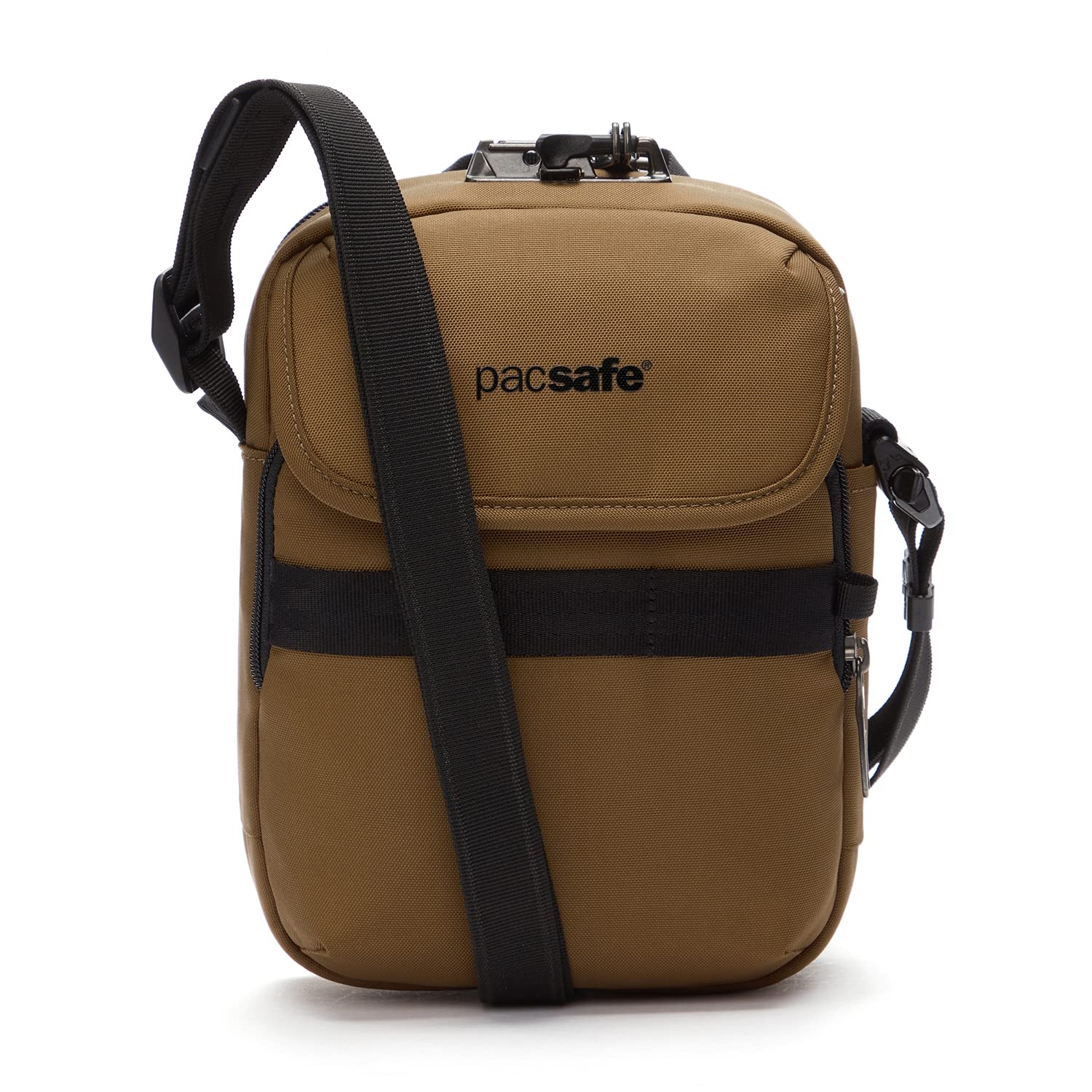
Pacsafe Metrosafe X Anti Theft Compact Crossbody - Fits 8" Tablet, Black : Clothing, Shoes & Jewelry
View on AmazonChoosing a Responsible Operator
- Credentials: Seek guides certified by regional authorities, with demonstrated first-aid/altitude training and fluency in relevant local languages.
- Community partnership: Ask how revenues are distributed; the best operators publish percentages and support scholarships or craft cooperatives.
- Group size and pace: Small groups preserve etiquette and access; itineraries should allow unhurried time with hosts.
- Ethics: Clear photography policies, no staged poverty, PPE for any mine visits, and respect for no-go zones during rituals.
Budget-conscious travelers can still travel responsibly; our primer on Backpacking Bolivia: Essential Tips for Safe, Affordable, and Authentic Travel emphasizes safety and cultural respect without sacrificing spontaneity.
Crafting Your Itinerary
A well-paced circuit might begin in La Paz with markets, cable cars, and Alasitas or Gran Poder; unfold west to Titicaca for a homestay and solstice sunrise; arc south to Sucre and Tarabuco for textiles; then onward to Potosí for museum-rich mining history. Those with time can extend east to Santa Cruz and the Jesuit mission towns—where baroque facades, Guaraní choirs, and Amazonian evenings reframe what “Bolivia” means.
Between highland plazas and rainforest chapels, cultural tours in Bolivia have a particular cadence: days trace the grain of a loom, nights follow brass and drum. The country’s most enduring gift may be the generosity with which it shares its stories—inviting travelers not only to watch, but to listen, learn, and belong, if only for a while.
Recommended Travel Gear
Lonely Planet Bolivia (Travel Guide): Albiston, Isabel, Grosberg, Michael, Johanson, Mark
Lonely Planet's Boliviais <strong>your passport to the most relevant, up-to-date advice on what to see and skip, and what hidden discoveries await you</strong>. Explore the world's largest s
GRAYL GeoPress 24 oz Water Purifier Bottle - Filter for Hiking, Camping, Survival, Travel (Bali Blue)
Versatile, fast, and ridiculously easy to use — the 24oz GeoPress Water Filter & Purifier Bottle <strong>requires zero setup, no sucking or squeezing, and makes 24 fl oz (710 ml) of clean purified
Pacsafe Metrosafe X Anti Theft Compact Crossbody - Fits 8" Tablet, Black : Clothing, Shoes & Jewelry
ANTI-THEFT - 2022 version in Tan colorway, <strong>Interlocking Zippers & Cut Proof Material (lightweight steel mesh) to prevent pickpocketing</strong>. RFID blocking pocket to keep credit cards/I