
Best Beaches in the World: Expert Picks for Every Kind of Traveler
From Seychelles granite cathedrals to Australia’s silica swirls, discover expert-vetted shores, when to go, and which beach suits your style.
Mood
Beach Escape
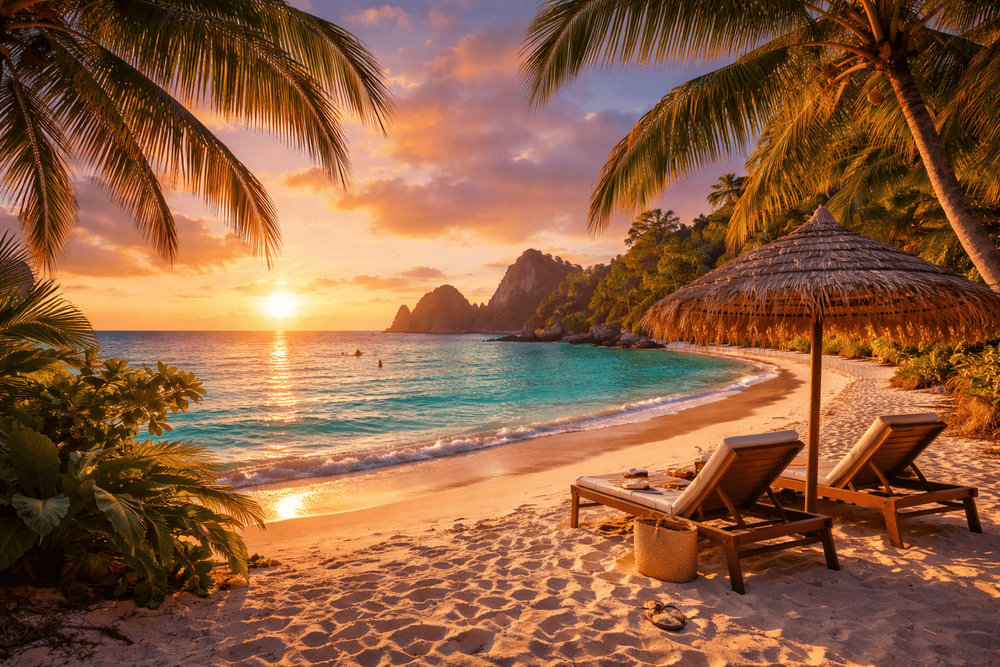
Travelers arrive before dawn, when the sea is still pewter and the first breeze combs the palms. A pelican arrows low over glassy water; the surf whispers and retreats, lacing the sand with foam. This is the hour when the best beaches in the world reveal their quiet magic—moments of ease and possibility before the day unfurls.
What Makes the Best Beaches in the World
A world-class beach feels inevitable the moment toes touch the shore. It’s a sum of elements—powder-soft sand that squeaks underfoot, water so clear the sun paints ladders of light on the seafloor, and a setting that amplifies nature’s theater, whether granite cathedrals in the Seychelles or sugar-white arcs in the Whitsundays. But the intangible matters too: a beach woven into local life through fishing skiffs and evening strolls, one that balances beauty with stewardship. In curating the best beaches in the world, this guide weighs both spectacle and soul.

Beaches: Photographs
A New York Times bestseller, Beaches is <strong>a collection of gorgeous images from celebrated fine-art photographer Gray Malin</strong>.
Check Price on AmazonHow We Chose These Beaches — Criteria and Sources
Beach perfection wears many faces. To compare across continents and cultures, this list draws on:
- Sand and water quality: texture, cleanliness, color, clarity, and swimmability
- Scenery and sense of place: geology, vegetation, wildlife, and cultural context
- Marine life and reef health: snorkeling/diving access; biodiversity
- Accessibility vs. remoteness: the arc from castaway coves to lively town strands
- Seasonality and consistency: year-round appeal or a transcendent peak window
- Safety: currents, tides, jellyfish seasons, and overall visitor security
- Sustainability: protections in place, local conservation efforts, community benefit
- On-the-ground reporting and expert input: travel journalists, guides, and marine biologists
- Traveler sentiment and longevity: places that live up to the postcard, again and again
Top Beaches by Region
Caribbean
A palette of aquamarine lagoons and talc-fine sand defines the region. Standouts include Grace Bay (Turks and Caicos) for its gently shelving reef-protected waters; Trunk Bay (U.S. Virgin Islands) with an underwater snorkeling trail; Shoal Bay (Anguilla), an airy, wind-brushed sweep; Grande Saline (St. Barth) for a raw, dune-backed setting; and Playa Norte (Isla Mujeres, Mexico), shallow and family-friendly with glowing sunsets. Cuba’s Playa Paraíso on Cayo Largo offers startling clarity, while the Bahamas’ Exuma cays are a study in sapphire gradients.
Pacific
The Pacific unfurls from Polynesia’s high-voltage blues to Australia’s blindingly white silica. In French Polynesia, Matira Beach (Bora Bora) arcs around a lagoon like liquid topaz. Hawaii’s Lanikai pairs powder-soft sand with the twin Mokulua islets on the horizon. Australia’s Whitehaven veils seven kilometers of snow-white silica with swirls of turquoise at Hill Inlet, while Fiji’s Yasawa Islands hide castaway coves with manta-clean stations in season. In the Philippines, Palawan’s Nacpan-Calitang Twin Beach and Siargao’s coconut-fringed coasts deliver untamed Pacific romance.
Indian Ocean
Here, beaches stage dramatic conversations between granite, reef, and velvet lagoons. The Seychelles’ Anse Source d’Argent is famous for house-sized boulders and shallow, luminous water. In the Maldives, atolls from Baa to Ari host reef-ringed sandbars with overwater fantasies and manta aggregations from May to October. Mauritius balances powder beaches with volcanic green, while Zanzibar’s Nungwi and Matemwe trim the spice island with tidal flats and dhow silhouettes. Sri Lanka’s Hiriketiya and Unawatuna deliver crescent coves, surf breaks, and cinnamon-scented breezes.
Mediterranean
The Mediterranean trades tropic lushness for sculpted drama. Greece dazzles from Zakynthos’s cliff-walled Navagio to Crete’s rose-tinted Elafonissi and the Cyclades’ wind-polished arcs. Turkey’s Kaputaş plunges from limestone cañons to electric blue, while Croatia’s Zlatni Rat extends a shifting horn of pebbles into the Adriatic. On Sardinia, Cala Goloritzé and Cala Mariolu frame lagoons so limpid they seem backlit from below. Spain’s Balearics—Cala Macarella and Cala Mitjana on Menorca—serve pine-fringed coves with a faint scent of wild rosemary.
Americas
The New World’s beaches are wildly diverse: Brazil’s Baía do Sancho, ringed by cliffs and sea turtles; Costa Rica’s Manuel Antonio, where monkeys chatter over jungle-backed sand; and Mexico’s Tulum and Playa Paraíso, with Maya stones set against Caribbean blue. In the United States, powder-fine Siesta Key (Florida) and Na Pali-framed Hanalei Bay (Kaua‘i) bookend the spectrum from lounging to surf. Canada’s Long Beach (Vancouver Island) is a silvered strand framed by temperate rainforest. For southern latitudes, Argentina reveals windswept Patagonian arcs and warm-water Atlántico stretch—see our deep dive on Argentina’s Best Beaches: Top Coastal Picks for Sun, Surf and Wildlife.
Africa
Africa’s coasts hold multitudes: South Africa’s Clifton 4th and Camps Bay pour powdered beaches beneath the Twelve Apostles; Mozambique’s Bazaruto Archipelago drifts with dunes and dugongs; Kenya’s Diani serves palm-ruffled powder within reach of marine parks; Madagascar’s Nosy Iranja strings two sandy crescents along a tidal causeway; while Namibia’s Skeleton Coast is austere, fog-laced grandeur—not for swimming, but unforgettable.
Top 12 Standout Shorelines — Editorial Picks for the Best Beaches in the World
Grace Bay, Turks and Caicos
Why go: A ribbon of white so pure it squeaks, reef-sheltered water the color of Tiffany blue, and light trade winds that keep the heat languid rather than heavy. Expect gentle entry for swimmers, reliable visibility for snorkeling, and sunsets that kindle the horizon in sherbet hues.
Whitehaven Beach, Whitsunday Island, Australia
Why go: Seven kilometers of 98% silica sand so cool it never burns, gathered into aerial art at Hill Inlet where tides paint turquoise swirls. Boat in early for near-silent mid-morning drift swims; the sensation is walking through sifted sugar.
Anse Source d’Argent, La Digue, Seychelles
Why go: Flint-gray granite monoliths rise like prehistoric sculptures, cupping shallow, jade-green water. The scene shifts with the tide; at low water, pathways appear between boulders and seagrass pastures flicker with juvenile reef fish.
Baía do Sancho, Fernando de Noronha, Brazil
Why go: Often anointed Brazil’s finest, Sancho is a turtle highway with spring-fed water tinting the bay emerald. Access is an adventure—a narrow ladder staircase down volcanic cliffs—rewarding swimmers with cathedral-like serenity.
Lanikai Beach, O‘ahu, Hawaii
Why go: Early morning paints the Mokulua islets gold. The beach is petite and domestic in scale, backed by palms and low-roof homes, with waters calm enough for novice paddlers yet luminous enough to feel like a dream.
Navagio (Shipwreck) Beach, Zakynthos, Greece
Why go: Chalk-white cliffs vault 200 meters overhead; below, a rusted freighter sits on pebbles the color of bone. Access is by boat only. The hue of the water—electric, milky turquoise—feels almost sci-fi.
Reynisfjara Black Sand Beach, Iceland
Why go: Basalt columns stacked like organ pipes flank jet-black sand and North Atlantic muscle. It’s a sublime lesson in geology and weather—beautiful, raw, and dangerous. Keep a wide berth from sneaker waves.
Matira Beach, Bora Bora, French Polynesia
Why go: A rare public jewel in a lagoon of legends, Matira bows toward the setting sun. The water is shallow, clear, and calm; in the evening, locals and travelers merge in that soft, honeyed light that Bora Bora does best.
Pink Beach, Komodo, Indonesia
Why go: A blush tint—from pulverized red foraminifera—dusts pale sand; in the shallows, gardens of hard and soft corals start almost at your ankles. Snorkel at slack tide when currents ease and parrotfish clack across the reef.
Praia da Marinha, Algarve, Portugal
Why go: Natural arches, sea stacks, and amber cliffs carve a painterly amphitheater. Stairs descend to teal water limpid to the sandline; come in shoulder season when the Atlantic is calm and the light turns honeyed.
Clifton 4th Beach, Cape Town, South Africa
Why go: A polished cove of pale sand cupped by granite boulders, with the Twelve Apostles rising like a stage set. The water is bracing, the atmosphere chic-but-playful, the sunsets operatic.
Playa Norte, Isla Mujeres, Mexico
Why go: Waist-deep for what feels like miles, Playa Norte is tailor-made for lazing, floating, and family-friendly swims. Palms fringe a strand where the day’s drama is the sky’s color wheel at dusk.
For more epic shores to plot on a dream map, explore our broader Bucket-List Destinations: A Curated Guide to the World's Must-See Places.
Best Beaches for Every Traveler
Families
- Playa Norte (Isla Mujeres, Mexico): Wide, shallow, and forgiving—perfect for floaties and first snorkels.
- Trunk Bay (St. John, USVI): Gentle entry and a marked underwater trail introduce little travelers to reef life.
- Siesta Key (Florida, USA): Cool quartz sand that never scorches tiny feet and easy amenities steps from shore.
- Lanikai (O‘ahu, Hawaii): Calmer mornings, soft sand, and kayak options to offshore islets.
What to look for: Lifeguards on duty, gradual drop-offs, shade, bathrooms, and easy food options.
Couples
- Matira Beach (Bora Bora): Long golden sunsets, balmy water, and soft twilight swims.
- Anse Lazio (Praslin, Seychelles): Granite boulders and a lagoon that glows like liquid glass.
- Elafonissi (Crete, Greece): Pink-kissed sands and shallow channels to wade at magic hour.
Planning inspiration: Browse Romantic Destinations for Couples: Intimate Escapes Around the World to pair beach idylls with culture and cuisine.
Surfers
- Hanalei Bay (Kaua‘i, Hawaii): Winter swells and a mountain amphitheater for a cinematic paddle-out.
- Siargao (Philippines): Consistent reef breaks; Cloud 9’s jackhammer barrels for experts, mellower options nearby.
- Jeffreys Bay (South Africa): Long, peeling right-handers—a pilgrimage site when winter winds align.
What to know: Check swell windows and local etiquette, carry reef booties where appropriate, and respect priority.
Snorkelers and Divers
- Komodo National Park (Indonesia): Coral gardens mere meters from shore; mantas on drifts during season.
- Fernando de Noronha (Brazil): Turtle encounters and volcanic relief that shelters bright schools.
- Maldives Atolls: House reefs with parrotfish confetti and, in certain atolls, manta cleaning stations.
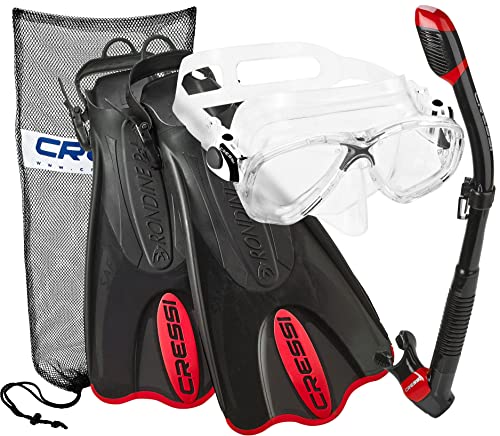
Cressi Palau Mask Fin Snorkel Set with Snorkeling Gear Bag
View on AmazonTips: Bring a well-fitting mask and reef-safe sunscreen; snorkel at slack tide for calmer visibility.
Solitude Seekers
- Whitehaven (Australia): Go early by private charter or the first ferry; walk south and keep walking.
- Nosy Iranja (Madagascar): A tidal sandbar that feels conjured from a dream; time crossings carefully.
- Bazaruto Archipelago (Mozambique): Dune-backed strands with long, empty horizons and dhow silhouettes.
What to seek out: Boat-only access, national parks with visitor caps, and off-season windows when weather still cooperates.
Practical Planning: When to Go, Weather, Access, Permits, Safety
Timing matters more on beaches than almost anywhere.
- Seasons: The Caribbean’s prime months are generally December–April; hurricane season peaks August–October. In the Indian Ocean, December–March suits much of the Seychelles and Maldives, with shoulder seasons offering calmer seas and value. The Mediterranean shines May–June and September–October, when water has warmed and crowds thin. The South Pacific splits by hemisphere: French Polynesia’s drier, cooler season runs roughly May–October; Australia’s Whitsundays are divine April–November, outside the wettest summer months.
- Tides and currents: Many Indian Ocean and Pacific beaches transform with the tide—tide tables dictate when lagoons brim or reefs expose. Remote or reef-framed beaches can generate strong currents; local advice is gold.
- Access: Some of the world’s finest strands are boat-in only (Navagio, Whitehaven). Others demand a hike (Praia da Marinha) or a cliff staircase (Baía do Sancho). Plan footwear, water, and daylight accordingly.
- Permits and fees: Fernando de Noronha limits visitors and charges environmental fees; popular Thai and Indonesian marine parks may require day-use permits; certain turtle-nesting beaches close at night.
- Safety: Heed local warnings on rips, shorebreak, sneaker waves (Iceland), and stingers (box jellyfish season in tropical Australia; vinegar stations are posted on some beaches). Secure belongings discreetly on urban strands. Apply high-SPF reef-safe sunscreen, and rehydrate often.
Responsible Beach Travel: Conservation, Etiquette, and Leaving No Trace
The ocean is resilient—and fragile. A few principles elevate every beach day:

STREAM 2 SEA SPF 30 Biodegradable Mineral Sunscreen, 3 Fl oz Non-Greasy and Moisturizing Reef Safe Sunscreen For Face Protection and Body Against UVA and UVB
View on Amazon- Protect reefs: Wear mineral, reef-safe sunscreen and UV shirts; never stand on coral or kick it with fins. Avoid feeding fish.
- Respect wildlife: Give sea turtles and seals a wide berth, especially during nesting and pupping; obey red flashlights and guided protocols on turtle beaches.
- Leave no trace: Pack out every scrap, sift cigarette butts from sand, and skip single-use plastics where possible. Join local cleanups if time allows.
- Cultural cues: Beach attire norms vary. In conservative communities, cover up beyond the strand; ask before photographing fishers at work.
- Support locally: Choose community-run excursions, hire licensed guides, and purchase from beach vendors who observe conservation rules. This keeps tourism’s tide lifting the people who call these coasts home.
Where to Stay and How to Book — Mapping Routes and Resources
The right base shapes the rhythm of a beach trip.
- Stay types: On remote islands, eco-lodges and small guesthouses offer barefoot luxury with lighter footprints; in resort zones, look for properties with reef-restoration programs, on-site marine biologists, or turtle conservation initiatives. Urban beaches reward boutique stays within walking distance of morning swims and sunset passeggiatas.
- Booking windows: For peak Caribbean and Mediterranean months, secure rooms three to six months out; for French Polynesia and the Maldives, six to nine months is prudent, especially for overwater options. Shoulder seasons reward spontaneous travelers with calmer crowds and generous light.
- Routing and island-hopping: Pair a marquee beach with a wilder neighbor—Bora Bora with Maupiti, Mahé with La Digue, Sardinia’s Cala Gonone with a few inland nuraghe sites. In Southeast Asia, mosaics of ferries and short flights unlock archipelagos—find inspiration in The Best Islands in Southeast Asia: Beaches, Diving & Island-Hopping.
- On the ground: Rent a small car on islands with good roads (Sardinia, Mahé) for cove-hunting freedom; elsewhere, rely on local boats, tuk-tuks, and taxis that know the tides and the difference between a postcard and the perfect hour.
If still debating which shore matches the moment—family firsts, a honeymoon just-so, or a personal reset—use our broader compass at Travel Destinations: The Definitive Guide to Choosing Where to Go and keep an eye on emerging coastal escapes in Best Places to Travel in 2026: Curated Picks for Next-Year Adventures.
The Image to Carry Home
At day’s end, the beach keeps one last promise. As the sky’s colors drain from neon to embers, water takes on the polished look of silk. Somewhere a fishing skiff knocks softly against its mooring; elsewhere, trade winds whisper through casuarina needles. The best beaches in the world do more than dazzle the eye—they recalibrate the pulse, offering both horizon and hush, spectacle and sanctuary, a line where everything feels possible for a while.
Recommended Travel Gear
Beaches: Photographs
A New York Times bestseller, Beaches is <strong>a collection of gorgeous images from celebrated fine-art photographer Gray Malin</strong>.
Cressi Palau Mask Fin Snorkel Set with Snorkeling Gear Bag
SNORKEL FEATURES: <strong>Anti-Splash Dry Top Design, Top Seals when Submerged, Easy Clear Purge Valve, Replaceable Mouthpiece, Silicone Mouthpiece & Corrugated Tube, Quick Release Snorkel Keeper<
STREAM 2 SEA SPF 30 Biodegradable Mineral Sunscreen, 3 Fl oz Non-Greasy and Moisturizing Reef Safe Sunscreen For Face Protection and Body Against UVA and UVB
Amazon.com: STREAM 2 SEA SPF 30 Biodegradable Mineral Sunscreen, 3 Fl oz <strong>Non-Greasy and Moisturizing Reef Safe Sunscreen For Face Protection and Body Against UVA and UVB</strong> : Beauty &