
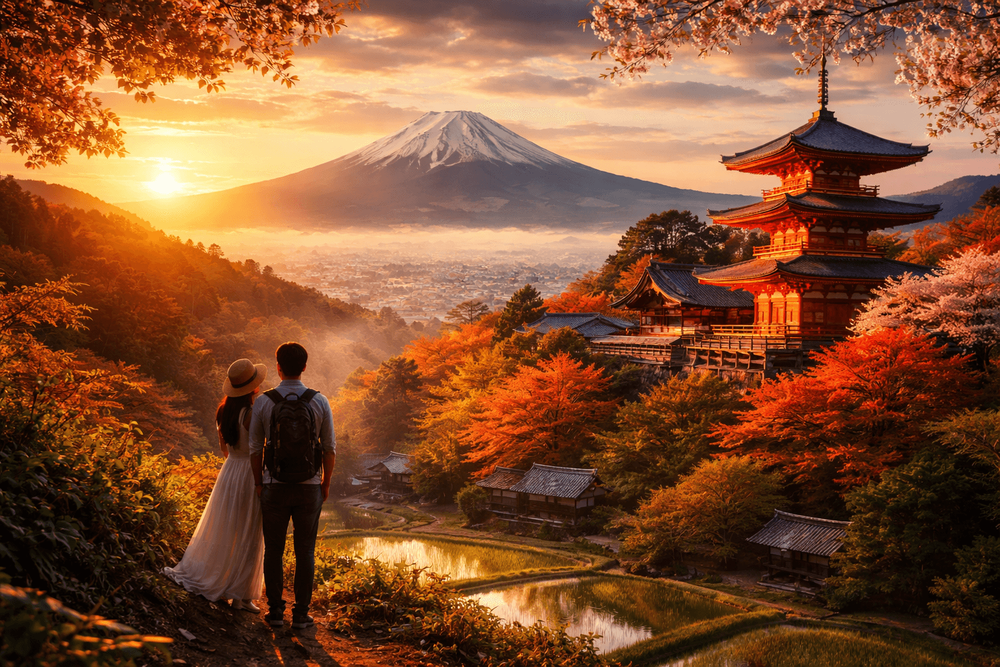
Best Places to Visit in Japan: Cities, Countryside & Seasonal Highlights
A season-first guide to Japan’s cities, mountains, and islands—with when to go, where to stay, and routes that feel as good as they look.
Mood
Seasonal Journey
Travelers step off the shinkansen into a Japan of shifting moods: lanterns smoldering in Kyoto alleys, neon canyons in Tokyo, cedar-scented mountain air in the Alps, and subtropical breezes across Okinawa’s turquoise reefs. This season-forward guide gathers the best places to visit in Japan into one richly textured journey—pairing iconic cities with quiet countryside, spring blossoms with autumn fires, powder snow with coral sands—so travelers can choose the Japan that matches how they want to feel, and when.
How to Pick the Right Japan for You
Japan contains multitudes. Thinking by theme makes it far easier to map a trip—and to time it well.
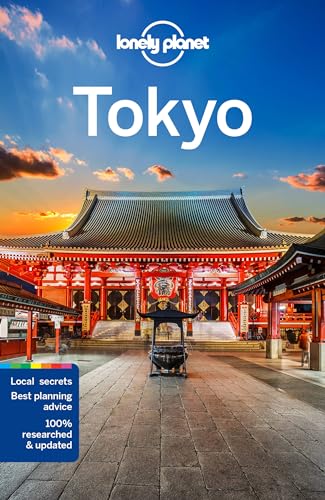
Lonely Planet Japan (Travel Guide): Milner, Rebecca, Bartlett, Ray, Bender, Andrew, Forge, Samantha, McLachlan, Craig, Morgan, Kate, O'Malley, Thomas, Richmond, Simon, Tang, Phillip, Walker, Benedict, d'Arc Taylor, Stephanie
Lonely Planet’s Japan is your passport to the most relevant, up-to-date advice on what to see and skip, and what hidden discoveries await you. Explore over a thousand temples in old imperial capital K
Check Price on AmazonCulture & Temples
- Best for: History-minded travelers and aesthetes who want shrines, tea houses, gardens, and living craft traditions.
- Where: Kyoto and Nara for classical Japan; Kanazawa for samurai districts and contemporary museums; Nikko and Koyasan for spiritual immersion.
- When: March–May for blossoms and fresh greens; October–December for luminous foliage and crisp air.
Food & Nightlife
- Best for: Street-food grazers, izakaya-hoppers, and fine-dining collectors.
- Where: Tokyo for boundary-pushing cuisine; Osaka for convivial, late-night eating; Fukuoka for ramen culture; Sapporo for seafood and beer.
- When: Year-round. Winter heightens seafood on Hokkaido; summer festivals supercharge street food.
Nature & Outdoors
- Best for: Hikers, cyclists, hot-spring soakers.
- Where: The Japanese Alps (Kamikochi, Takayama), Hakone and Fuji Five Lakes, Nikko’s forests, Yakushima’s ancient cedars.
- When: May–November for most alpine routes; October–November for peak foliage; winter for onsen-rich snow scenes.
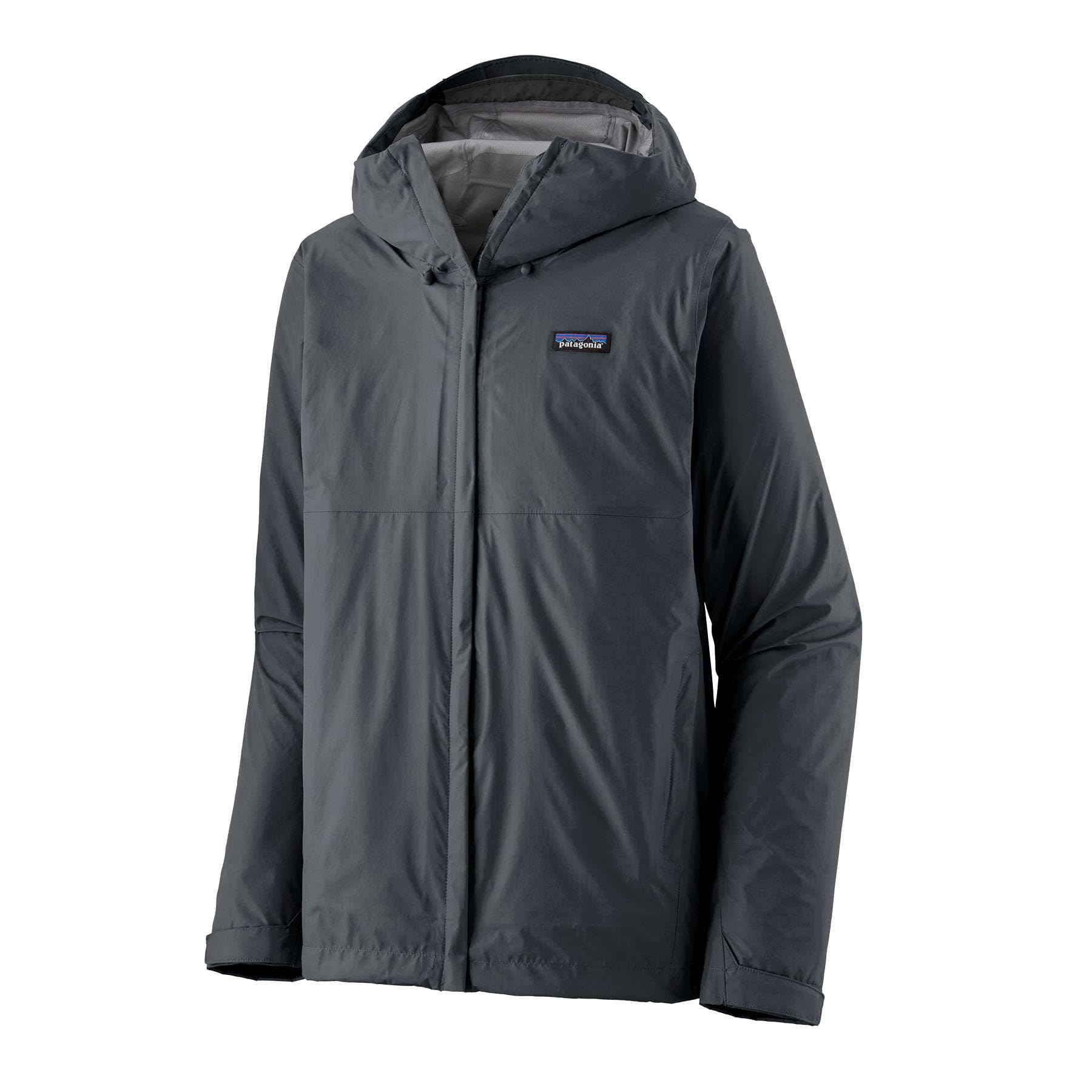
Patagonia Men's Torrentshell 3L Hip Length Rain Jacket - Smolder Blue, Medium
The Patagonia Torrentshell 3L Jacket is a <strong>waterproof and breathable men's outerwear, perfect for Fall and Winter seasons</strong>. Made with three-layer H2No Performance Standard technolo
Check Price on AmazonIslands & Beaches
- Best for: Warm-water snorkeling, laid-back bike rides, and tranquil island villages.
- Where: Okinawa Main Island, the Kerama archipelago, Miyako and Yaeyama (Ishigaki, Iriomote), and art islands in the Seto Inland Sea.
- When: April–October, with shoulder-season calm in late May–June and September. Typhoon risk peaks August–October; plan buffer days.
Winter Escapes
- Best for: Powder chasers and onsen lovers.
- Where: Hokkaido (Niseko, Furano, Rusutsu), Tohoku (Zao’s “snow monsters”), and Nagano/Niigata (Nozawa Onsen, Myoko).
- When: December–March, with deepest snow January–February. The Sapporo Snow Festival lights up early February.
The Best Places to Visit in Japan: Top Destinations
These destinations pair signature experiences with the seasons that suit them best—ideal complements to the major cities below.
Hakone & Fuji Five Lakes (Yamanashi/Shizuoka)
- Why go: A mountain-ringed onsen escape framed by Mount Fuji, with open-air art and steam rising from cypress baths.
- Signature experiences: Lake Ashi cruises beneath torii gates, the ropeway over sulfur vents, the sculpture-studded Hakone Open-Air Museum, private rotenburo baths.
- Best time: Clear winter days for Fuji views; spring and autumn for mild hikes and foliage.
Nikko (Tochigi)
- Why go: Lavish shrines nestled in cryptomeria groves and tumbling waterfalls a short hop from Tokyo.
- Signature experiences: Toshogu Shrine’s baroque woodcarving, Lake Chuzenji and Kegon Falls, forested trails in Nikko National Park.
- Best time: Autumn foliage (mid-October–early November) is incandescent; spring brings misty forest walks.
Nara (Nara Prefecture)
- Why go: The ancient capital’s temple sprawl and parkland, with bowing deer and the vast Daibutsu.
- Signature experiences: Todai-ji’s Great Buddha, Kasuga Taisha’s lantern-lined paths, Naramachi’s merchant houses.
- Best time: Spring and autumn for gentle light and comfortable strolls; winter is serene and uncrowded.
Koyasan (Wakayama)
- Why go: A mountaintop monastic town, lantern-lit and hushed, offering a portal to Buddhist ritual.
- Signature experiences: Staying in a shukubo (temple lodging), vegetarian shojin ryori, dawn ceremonies, the moss-soft Okunoin cemetery by night.
- Best time: Year-round; autumn foliage and snowy winters feel especially ethereal.
Naoshima & the Seto Inland Sea (Kagawa/Okayama)
- Why go: A constellation of art islands where sleek museums mingle with fishing hamlets and citrus groves.
- Signature experiences: Chichu Art Museum’s light-bathed spaces, Benesse House installations, cycling between coastal villages; day trips to Teshima and Inujima.
- Best time: March–June and September–November for festivals, soft sun, and bike-friendly weather.
Japanese Alps: Takayama, Kamikochi & Shirakawa-go (Gifu/Nagano)
- Why go: Alpine valleys, river-clear air, and gassho-zukuri farmhouses under thatch.
- Signature experiences: Morning markets and sake breweries in Takayama, riverside walks in car-free Kamikochi, snow-draped villages in Shirakawa-go.
- Best time: Late spring through autumn for hiking; winter for postcard snow scenes.
Tohoku’s Quiet North (Aomori, Akita, Yamagata)
- Why go: Underrated mountains and coastlines, hot springs under snow, and vibrant summer matsuri.
- Signature experiences: Hirosaki Castle’s cherry tunnels, Aomori’s Nebuta Festival floats in August, Zao Onsen’s powder and frost-sculpted “snow monsters.”
- Best time: Summer for festivals; winter for skiing and sulfur-scented onsen; late April–early May for blossoms that lag behind Tokyo.
Kyushu: Beppu, Yufuin & Nagasaki
- Why go: Volcanic hot springs, subtropical greenery, and layered history.
- Signature experiences: Steamy jigoku “hells” and sand baths in Beppu, artful ryokan in Yufuin, Dejima and churches trace Nagasaki’s global connections.
- Best time: October–April for cooler, clearer days; June–July sees lush green after rains.
Yakushima (Kagoshima)
- Why go: Ancient cedar forests straight out of myth, wrapped in ocean mist.
- Signature experiences: Hiking to the millennia-old Jomon Sugi, river canyons and subtropical beaches in one day.
- Best time: March–June and October–November; pack rain gear—its magic comes with frequent showers.
City Deep-Dives to Inspire Your Plans
Tokyo: Edge-of-now Modernity, Deep Traditions
Asia’s megacity hums with contrasts: Shinto shrines tucked behind espresso bars, sushi counters with six seats alongside world-beating art and design. For neighborhoods beyond the usual loop, see the Tokyo neighborhood guide: 48-hour micro-adventures beyond the crowds.
- Signature experiences: Early-morning Toyosu market tastings, contemporary art at teamLab and Mori, retro lanes in Yanaka, sumo practice-viewing in Ryogoku, craft cocktails in Shinjuku Golden Gai.
- Best time: March–May for petals and balmy evenings; late October–early December for crisp skies and gingko avenues.
- Planning tip: Base in Shinjuku or Shibuya for nightlife and transit; Ginza for refined shopping and walkability; Asakusa for old-town charm.
Kyoto: The Heartbeat of Classical Japan
Temple bells carry on the evening breeze, the Higashiyama hills glowing amber at dusk. Kyoto is where tea masters, textile dyers, and garden designers keep centuries of craft alive.
- Signature experiences: Fushimi Inari’s vermilion gates at dawn, a meditative rock garden at Ryoan-ji, bamboo groves and riverside boats in Arashiyama, kaiseki dining that tastes of the season.
- Best time: Spring blossoms (late March–early April) and autumn foliage (mid-November–early December) are sublime; January’s quiet amplifies temple stillness.
- Planning tip: Stay near Gion/Higashiyama for lantern-lit lanes, or by the Kamo River for a local rhythm.
Osaka: Japan’s Big-Hearted Kitchen
A neon-haloed city built for eating, Osaka celebrates conviviality. Street stalls crackle with takoyaki; alleyways funnel into boisterous izakaya; late-night ramen keeps conversations going.
- Signature experiences: Dotonbori’s canal-side dazzle, Kuromon Market snacks, a baseball game’s collective joy, day trips to Nara or the castle town of Himeji.
- Best time: Year-round; spring and autumn are ideal for aimless grazing.
- Food lovers note: Osaka anchors any list of great culinary cities—context in our guide to Top Cities for Food Lovers: Must-Taste Destinations and Where to Eat.
Hiroshima & Miyajima: Reflection and Radiance
Hiroshima’s Peace Memorial Park centers remembrance; nearby Miyajima offers a luminous counterpoint as Itsukushima’s torii appears to float on the tide.
- Signature experiences: Okonomiyaki layered on a teppan grill, ferry rides to deer-dotted Miyajima, hillside temples on the island’s quieter trails.
- Best time: March–June and September–November; winter brings hushed shrines and oyster season.
Sapporo & Hokkaido: Wide Skies, Powder, and Produce
Japan’s northern island trades temple spires for open horizons, dairy-rich cuisine, and famed champagne powder. For a deeper seasonal lens on onsen trails and rural food culture, explore Hokkaido in Bloom: Spring Snow, Hot Springs and Rural Food Trails.
- Signature experiences: Sapporo Snow Festival’s ice cathedrals, seafood markets that redefine “fresh,” ski days in Niseko or Furano, steaming rotenburo under snowflakes.
- Best time: February for festivals and powder; July–August for cool, flowered highlands and farm stands.
Kanazawa & Takayama: Craft, Tea Districts, and Alpine Air
On the Sea of Japan coast, Kanazawa fuses Edo-era neighborhoods with contemporary museums; two hours inland, Takayama slows the tempo in cedar-scented streets.
- Signature experiences: Kenrokuen Garden’s four-season perfection, gold-leaf crafts and teahouses in the Higashi Chaya district, sake sips in Takayama’s Sanmachi Suji.
- Best time: March–June and September–November; winter snowfall adds quiet drama.
Okinawa: Coral Kingdoms and Island Time
South of the main islands, Okinawa swaps maples for mangroves and torii for palms. It’s Japan with a Ryukyuan lilt: sanshin music, goya champuru on sun-washed terraces, reefs as bright as lacquerware.
- Signature experiences: Snorkeling the Kerama’s glassy bays, riding coastal bike paths on Miyako, stargazing on Iriomote and Ishigaki, historic Shuri Castle in Naha.
- Best time: April–June and late September–November for warm seas without peak heat.
Sample Itineraries by Trip Length
These routes balance headline sights with moments to breathe. Add buffer days in peak seasons (late March–early April; late October–November; New Year week).
5 Days: Express Classic
- Day 1–3: Tokyo base. Explore one major district daily (Shinjuku/Shibuya, Asakusa/Ueno, Roppongi/Ginza). Consider a half-day in Nikko or Kamakura if pace allows.
- Day 4–5: Kyoto. Fushimi Inari at dawn, Nishiki Market, Kiyomizu-dera and Higashiyama, Arashiyama river and bamboo.
- Pacing tip: Use the shinkansen between Tokyo and Kyoto; skip internal day trips to savor evenings.
8 Days: Cities with Onsen Interlude
- Day 1–3: Tokyo. Add teamLab or a food tour.
- Day 4: Hakone. Ropeway vistas and a private onsen.
- Day 5–7: Kyoto with a Nara day trip.
- Day 8: Osaka for street food and a final nightcap.
- Pass note: A nationwide JR Pass is often unnecessary here; buy point-to-point shinkansen and local IC cards.
10 Days: Culture Arc with Inland Sea
- Day 1–3: Tokyo base, with a day trip to Nikko (shrines and waterfalls) or Kamakura (temples and beach air).
- Day 4–6: Kyoto deep dive; evening geiko districts.
- Day 7: Hiroshima Peace Park and okonomiyaki.
- Day 8: Miyajima’s floating torii and island trails.
- Day 9–10: Osaka nights; consider Himeji Castle or Naoshima as a detour if art calls.
- Pass note: A regional Kansai–Hiroshima pass can beat a nationwide pass on cost; check routes.
14 Days: Alpine to Islands
- Day 1–3: Tokyo neighborhoods; half-day sumo or studio ceramics workshop.
- Day 4–5: Kanazawa’s gardens and tea districts.
- Day 6: Takayama’s morning markets; overnight in a traditional inn.
- Day 7: Shirakawa-go and transfer to Kyoto.
- Day 8–10: Kyoto rhythms with a Nara day trip.
- Day 11: Hiroshima afternoon, on to Miyajima for a lantern-lit night.
- Day 12–14: Fly to Okinawa for reef time and ritual unwinding.
- Variant (winter): Swap Okinawa for Hokkaido—Sapporo plus Niseko/Furano—for powder and onsen.
Where to Stay and Book
Choosing the right neighborhood shapes each day.
- Tokyo: Shinjuku (nightlife, transit), Shibuya (youthful energy), Ginza (elegant, walkable), Asakusa (old Tokyo). For an emblematic skyline stay, the Park Hyatt Tokyo stages floor-to-ceiling drama over Shinjuku with service that’s quietly exacting.
- Kyoto: Gion/Higashiyama (lantern-lit lanes), Kawaramachi (central shopping/dining), Arashiyama (riverside calm). The HOSHINOYA Kyoto occupies a riverside hideaway reached by boat, marrying cedar perfumes with seasonal kaiseki.
- Osaka: Namba/Shinsaibashi (graze and go), Umeda (transport hub). A boutique high-rise near Midosuji keeps nights spontaneous and mornings efficient.
- Sapporo: Odori Park/Susukino for winter festivals and dining; Niseko’s Hirafu village for ski-in, ski-out winters.
- Hiroshima: Hondori/Peace Park for easy walks and ferries to Miyajima.
- Okinawa: Naha for markets and dining; Onna and Seragaki for resort beaches. The Halekulani Okinawa unfurls along emerald coves with terraces that soak in sunset and a reef-quiet calm.
Budget-savvy travelers will find design-forward hostels and guesthouses in the big hubs—see our picks in Best Hostels for Every Traveler: Curated Picks in Tokyo, Kyoto, Lisbon & Bali.
Practical Planning Tips
Getting Around: Rail, Passes, and Local Transit
- Shinkansen and Limited Express trains make clean, reliable arcs between major cities. Seat reservations are wise during holidays and peak seasons.
- JR Pass or not? The nationwide pass suits long, fast loops (e.g., Tokyo–Kyoto–Hiroshima–Hokkaido). For many trips, regional passes (Kansai–Hiroshima, Hokuriku Arch, JR East, Hokkaido Rail Pass) and point-to-point tickets are better value. Nozomi/Mizuho services aren’t covered by the standard nationwide pass; use Hikari/Sakura tiers or pay the surcharge.
- IC cards (Suica, PASMO, ICOCA) simplify metro, buses, and convenience stores. Mobile versions are widely supported; top up as you go.
- Luggage tips: Use same-day/overnight courier (takuhaibin) to skip hauling suitcases; coin lockers are common at stations.
Timing Your Trip: Seasons to Know
- Cherry blossoms (honshu): Generally late March–early April; in Tohoku/Hokkaido, April–May. Peak lasts about a week—book early and stay flexible.
- Autumn foliage: Late October–November across much of Honshu; December lingers in Kyoto.
- Rainy season (tsuyu): Typically early June–mid-July in Honshu/Shikoku/Kyushu; Hokkaido stays drier.
- Typhoons: August–October, mostly south and west; pad schedules and consider travel insurance.
- Winter: December–March for snow; January sees the clearest Fuji views.
Money, Connectivity, and Everyday Smarts
- Payment: Cards are widely accepted in cities; small shops and rural inns may prefer cash. 7-Eleven and Japan Post ATMs handle foreign cards.
- No tipping: Exceptional service is standard; a polite thank you goes far.
- Connectivity: Pocket Wi‑Fi or an eSIM keeps maps, translations, and reservations at hand.
- Convenience culture: Konbini (convenience stores) are 24/7 lifesavers for snacks, umbrellas, hot drinks, and ATMs.

Anker Portable Charger, 325 Power Bank (PowerCore Essential 20K), 20000mAh Battery Pack with 15W Charging, PowerIQ, 2 USB-A, 1 Micro USB, Two-Way USB-C Ports for iPhone Series, AirPods, and More : Cell Phones & Accessories
View on AmazonEtiquette Essentials
- Shoes off: At homes, some restaurants, ryokan, and temple lodgings. Watch for shoe lockers and house slippers.
- Trains: Keep voices low; set phones to silent; queue neatly; don’t eat on local trains unless permitted.
- Onsen: Wash thoroughly before soaking; swimsuits are uncommon; tattoos may require private baths or tattoo-friendly facilities—check policies.
- Temples and shrines: Move slowly, speak softly, and follow posted photography rules.
Booking Checklist
- 3–6 months out: Reserve popular ryokan, city hotels in sakura/koyo seasons, and coveted restaurants. Book internal flights for Okinawa/Hokkaido.
- 1–2 months out: Secure shinkansen seats for peak weekends; buy regional rail passes if they fit your route.
- 1–2 weeks out: Pre-book timed entries (teamLab, museums) and any guided experiences.
- Always: Carry passport for tax-free shopping; have some cash for rural buses and temple donations.
Final Notes & Resources
- Quick packing list: Layer-friendly wardrobe, compact umbrella, comfortable walking shoes, portable battery, onsen kit (small towel, swimsuit only for mixed-gender or pool-style baths), and a reusable shopping bag.
- Itinerary templates: Build around a rhythm—city immersion, countryside exhale, cultural anchor. Add a festival or food focus if traveling in summer or winter.
- Further reading and planning: For Tokyo days that feel personal and hyper-local, bookmark our Tokyo neighborhood guide: 48-hour micro-adventures beyond the crowds. Powder or produce on the mind? Save Hokkaido in Bloom: Spring Snow, Hot Springs and Rural Food Trails. Culinary wanderers can map cravings with Top Cities for Food Lovers: Must-Taste Destinations and Where to Eat.
The throughline of the best places to visit in Japan is contrast: lantern glow and LED glare, cedar and steel, snow and surf. Choose a season that suits your spirit, pace the days to leave room for serendipity, and let the country’s quiet precision carry the rest.
Recommended Travel Gear
Lonely Planet Japan (Travel Guide): Milner, Rebecca, Bartlett, Ray, Bender, Andrew, Forge, Samantha, McLachlan, Craig, Morgan, Kate, O'Malley, Thomas, Richmond, Simon, Tang, Phillip, Walker, Benedict, d'Arc Taylor, Stephanie
Lonely Planet’s Japan is your passport to the most relevant, up-to-date advice on what to see and skip, and what hidden discoveries await you. Explore over a thousand temples in old imperial capital K
Patagonia Men's Torrentshell 3L Hip Length Rain Jacket - Smolder Blue, Medium
The Patagonia Torrentshell 3L Jacket is a <strong>waterproof and breathable men's outerwear, perfect for Fall and Winter seasons</strong>. Made with three-layer H2No Performance Standard technolo
Anker Portable Charger, 325 Power Bank (PowerCore Essential 20K), 20000mAh Battery Pack with 15W Charging, PowerIQ, 2 USB-A, 1 Micro USB, Two-Way USB-C Ports for iPhone Series, AirPods, and More : Cell Phones & Accessories
Buy Anker Portable Charger, <strong>325 Power Bank (PowerCore Essential 20K), 20000mAh Battery Pack with 15W Charging, PowerIQ, 2 USB-A, 1 Micro USB, Two-Way USB-C Ports for iPhone Series, AirPods, an