
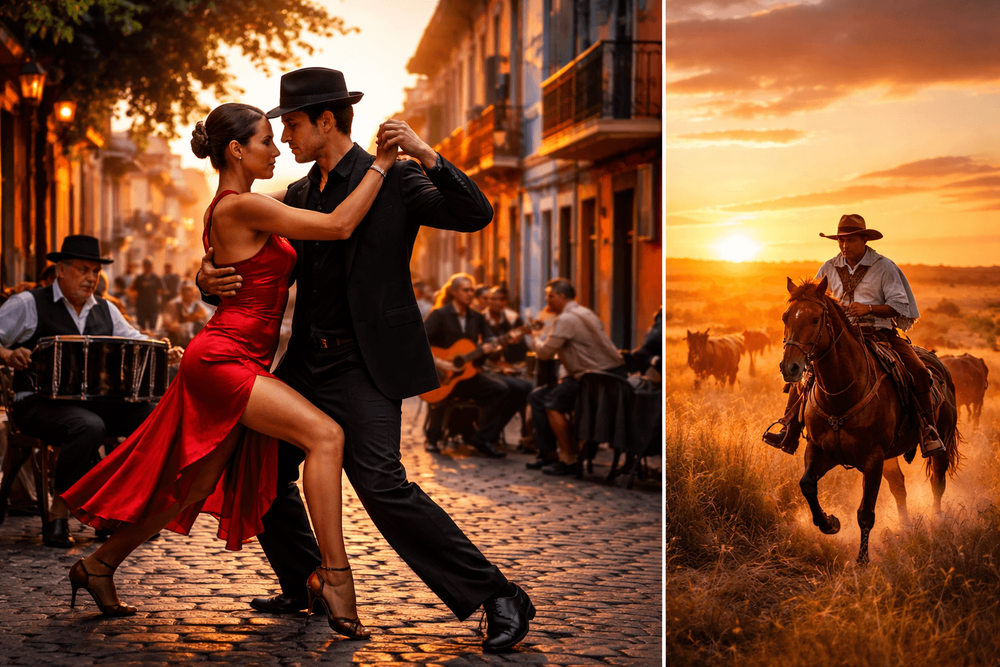
Cultural Encounters in Argentina: Authentic Experiences from Tango to the Pampas
From late-night milongas to Andean weaving circles and gaucho estancias, discover people-first cultural encounters across Argentina—authentic, respectful, unforgettable.
Mood
Cultural Deep-Dive
Meta Title: Cultural Encounters in Argentina: A Deep-Dive Guide to Tango, Gaucho Life, Andean Traditions, and Patagonia
Meta Description: A senior editor’s guide to cultural encounters in Argentina—tango, gaucho life, Andean rituals, Mapuche heritage, and food—plus ethical tips and when to go.
On a humid Buenos Aires night, a bandoneón sighs and the wooden floor answers with a soft thrum. Couples drift into motion—eyes meeting, a slight nod, the quiet pact of a tanda—while waiters thread between tables with trays of malbec. The air smells of waxed timber and espresso, and time seems to soften at the edges. Moments like these are the essence of cultural encounters in Argentina: intimate, unhurried exchanges that open the door to history, identity, and everyday life.
Where to Find Cultural Encounters in Argentina
Argentina’s culture is a mosaic—Spanish and Italian heritage layered with Indigenous traditions, African rhythms, Jewish and Armenian neighborhoods, German chalets, Welsh tearooms, and the wide-open codes of the gaucho. Travelers seeking the most meaningful cultural encounters in Argentina will find them best by slowing down and spending time in the places where people live, work, and celebrate.
Argentina - Culture Smart!: The Essential Guide to Customs & Culture: Hamwee, Robert
"Argentina - Culture Smart!: The Essential Guide to Customs & Culture" is what it is: <strong>A quick and handy guide to Argentina</strong>.
Check Price on AmazonBuenos Aires: Tango, Neighborhoods, and the Art of Nightfall
In the capital, tango is less a show than a social ritual. Skip the polished spectacle for a neighborhood milonga, where the dance is democratic and unadorned. Watch before you join: dancers follow códigos—unwritten etiquette governing everything from the flow of the ronda to the cabeceo, the eye contact invitation that begins a set. Schedules change; check listings such as Hoy Milonga (https://hoy-milonga.com/) and venues like La Catedral Club (http://www.lacatedralclub.com/) to find late-opening salons where the mood is more conversation than choreography.
Between nights out, trace tango’s layered history through the city’s barrios. San Telmo’s cobblestones are still lined with antique dealers and old-time cafes where immigrants once debated politics over bitter coffee. La Boca’s painted facades recall the shipyards where Afro-Argentine candombe rhythms mingled with Italian canzonette. In Villa Crespo and Almagro, afternoon classes welcome beginners who want to learn to walk with intention. For a primer on key landmarks and the city’s mural scene before going it alone, curated neighborhood excursions listed under Must-Do Sightseeing Tours in Argentina: Where to Go, When to Book, and What to Expect can set the stage.
Where you stay shapes the experience. In San Telmo, small boutique hotels and guesthouses within refurbished townhouses keep you close to late-night milongas and the Sunday market; try well-located, traveler-vetted options such as L’Adresse Hotel Boutique (https://ladressehotel.com/) or Circus Hostel & Hotel (https://www.circushostel.com.ar/). For market grazing and a sense of daily life, the covered San Telmo Market (https://www.mercadosantelmo.com/) layers immigrant groceries with produce stands and contemporary food counters.
The Pampas and Gaucho Life
The Pampas begin just beyond the city’s last commuter stations, a horizon of tall grasses, windmill silhouettes, and estancias where the code of the gaucho still informs how hospitality is expressed. Near San Antonio de Areco, a day at a family-run ranch traces the shape of rural life: a dawn cabalgata across damp meadows while herons lift from irrigation ditches; mate shared around a wooden table; a parrillero tending rib racks and chorizos for an asado that lasts the length of an afternoon. It’s not theatrical—just the rhythm of the campo, sustained by stories, a guitar, and the crunch of hooves on gravel.
If you’re planning ahead, look for smaller estancias with strong local roots and transparent animal-welfare practices. Two long-established options that welcome visitors are El Ombú de Areco (https://www.estanciaelombu.com/) and La Bamba de Areco (https://www.labambadeareco.com/). Shearing season (esquila) typically falls in spring to early summer in sheep-raising regions, but access to working corrals varies by estancia—confirm timing and visitor policies directly.
For weekly rural culture in the city, the Feria de Mataderos (official: https://www.buenosaires.gob.ar/cultura/feriademataderos) brings regional crafts, music, and food to Buenos Aires on select Sundays most of the year.
The Northwest: Living Andean Traditions
North of Salta and Jujuy, the Andes fold into ochre ridgelines and cactus-dotted terraces. Here, Kolla and Omaguaca communities steward terraced farms, weaving cooperatives, and a calendar of rituals that honor Pachamama (Mother Earth). In the Quebrada de Humahuaca—recognized by UNESCO for its cultural continuity and striking geology (https://whc.unesco.org/en/list/1116/)—village peñas fill with guitars and bombo drums; dancers stamp out chacarera and zamba steps as empanadas sizzle in oil scented with cumin.
Community-led workshops are the surest gateway to genuine connection. In Jujuy, the province’s Rural Community Tourism network (Turismo Rural Comunitario) lists experiences run and governed by local families—think weaving, cooking, and guided walks (official hub: https://www.turismo.jujuy.gob.ar/turismo-rural-comunitario/). Social enterprises like Warmi in the Puna support artisan collectives, with cooperative sales and occasional visitor programs posted on their channels (https://www.warmi.org.ar/). If you seek less-trafficked valleys, consult Hidden Argentina: Off-the‑Beaten‑Path Destinations & Authentic Experiences for ideas that balance discovery with respect for local rhythms.
For overnight bases, adobe inns and family-run posadas in towns like Purmamarca, Tilcara, and Humahuaca keep you close to markets and music; traveler-favorite properties such as El Manantial del Silencio in Purmamarca (https://www.elmanantialdelsilencio.com/) pair simple comfort with a strong sense of place.
Patagonia: Wind, Wool, and Mapuche Memory
South of the Río Colorado, Patagonia’s light grows lucid and the wind carries a salt edge even inland. Estancias sprawl across sheep-country plateaus; when shearing starts, woolsheds hum with motion, mate circulates, and dogs guide the flock with quiet precision. Around San Martín and Junín de los Andes, Mapuche organizations host cultural interpretations—visits to rukas (traditional houses), storytelling, and guided walks that frame lenga and coihue forests through Mapuche relationships to land and water. For programs developed and led by communities themselves, start with Neuquén’s Rural Community Tourism network (https://neuquentur.gob.ar/es/experiencias/turismo-rural-comunitario/) and the Lanín National Park’s roster of authorized guides (many are local- and community-affiliated): https://www.argentina.gob.ar/parquesnacionales/lanin/servicios/guias.

Columbia Men's Watertight II Packable Rain Jacke Collegiate Navy : Clothing, Shoes & Jewelry
It <strong>provides excellent watertight protection, keeping the wet elements out, while allowing your body inside to breathe without sweating</strong>. So lightweight and versatile, the coat can even
Check Price on AmazonOn the coast near Puerto Madryn, another chapter of Argentina’s cultural story continues in Gaiman’s Welsh tearooms, where Victoria sponge and bara brith meet Patagonian light. Classic casas de té such as Ty Gwyn (https://www.tygwyn.com.ar/) operate alongside small museums and language initiatives promoted by the municipality (tourism info: https://www.gaiman.gob.ar/).
Those seeking a deep-immersion base can glean ideas from Inside Argentina’s Finest Luxury Lodges: From Patagonia Glaciers to Mendoza Vineyards, which spotlights stays that take stewardship and cultural programming seriously.
Festivals as Windows into Identity
Argentina’s festival calendar reads like a map of local pride. Mendoza’s Vendimia celebrates the grape harvest with parades and open-air shows in late summer; exact dates and tickets vary annually—check the province’s official tourism site for updates (https://mendoza.tur.ar/). Each November, San Antonio de Areco marks the Día de la Tradición with parades and gaucho skills; details appear on the town’s tourism channels (https://www.arecoturismo.com.ar/). In summer (typically January–February), Gualeguaychú’s Carnival fills weekend nights with drums and feathered comparsas; official tickets and schedules: https://www.carnavaldelpais.com.ar/. High in the Northwest, August offerings to Pachamama thread spirituality through everyday life; Jujuy’s tourism board posts community-led ceremonies and fairs (https://www.turismo.jujuy.gob.ar/).
People-Centered Encounters: Homestays, Workshops, and Music
The most lasting cultural encounters in Argentina tend to happen around kitchen tables and rehearsal rooms.
- Homestays and family guesthouses: In the Calchaquí Valleys or Corrientes’ Iberá wetlands, family-run posadas fold visitors into daily routines—market runs, bread baking, evenings by the radio—without fuss. In Buenos Aires, house-museums and private apartments double as salons where artists host tertulias, low-key gatherings of music and conversation.
- Community-led tours with artisans and Indigenous hosts: In the Northwest, weaving cooperatives teach loom techniques and the significance of patterns; in the Misiones rainforest, Mbya Guaraní communities offer interpretive walks focused on forest medicines and cosmology through province-supported programs (overview: https://misiones.tur.ar/aldeas-mbya-guarani/). Choose experiences designed and governed by the community, with clearly stated revenue-sharing.
- Music nights beyond tango: In Salta and Santiago del Estero, peñas showcase folk traditions—chacarera, zamba—where diners clap to a 6/8 pulse and the line between audience and performer blurs. In the Litoral, chamamé floats over riverfront towns, accordion and guitar balancing melancholy with swing.
- Conversational exchanges: Language meetups (intercambios) in Buenos Aires cafes and university towns invite travelers to swap stories and slang over cortados. Current groups are easy to find on Meetup (https://www.meetup.com/cities/ar/buenos_aires/) and similar platforms.
In Mendoza, a small vineyard inn like family-run Finca Adalgisa in Chacras de Coria (https://www.fincaadalgisa.com/) sets the pace for slow mornings under olive trees and evenings that wander from cellar tastings to conversations about harvest cycles and frost.
Taste as a Passport: Culinary and Sensory Immersion
Argentina’s kitchen is a compendium of migrations and terroirs, and it offers a generous path into cultural understanding—one of the most approachable cultural encounters in Argentina.
- Mate: More than a caffeine fix, mate is a ritual of inclusion. One person acts as cebador, filling and refilling the gourd. Don’t move the bombilla (metal straw); a simple “gracias” signals you’re done. Its bitter, grassy flavor can be bracing; the warmth of being brought into the circle is not.
- Asado: The grill is a grammar—the cuts (vacío, tira de asado, entraña), the timing (low and slow), the accompaniments (provoleta, chimichurri, ensalada criolla). Sunday asados anchor neighborhoods and estancias alike; watch how conversations stretch to match the smoke’s lazy drift.
- Regional specialties: In the Northwest, empanadas salteñas arrive blistered and juicy with beef, green onion, and a hint of cumin; humitas in corn husks speak of terraces and irrigation channels older than the Spanish crown. Patagonia’s cordero al asador crackles beside river stones. In Córdoba and Santa Fe, savory tarts and pastelitos reflect Mediterranean lineage, while coastal towns grill pescados that taste of wind and sun.
- Markets and street food: Buenos Aires’ Feria de Mataderos (https://www.buenosaires.gob.ar/cultura/feriademataderos) and San Telmo Market (https://www.mercadosantelmo.com/) are classic windows onto foodways and migration stories. A choripán from a park-side parrilla stand—smoke, bread, bright chimichurri—is a map in a mouthful.
If your appetite runs to guided tastings and kitchen-counter learning, browse Savor Argentina: Authentic Local Food Tours & Culinary Experiences. Many tours pair stalls and family canteens with stories that stitch recipes to migration routes and harvest cycles.
Practical and Ethical Guidance for Respectful Encounters
The richest cultural encounters in Argentina are reciprocal. A few thoughtful habits ensure experiences are as respectful as they are memorable.

EPICKA Universal Travel Adapter, European Travel Plug Adapter (Not a Voltage Converter) - International Power Adapter Worldwide Charger with USB-C & 4 USB-A Ports, Travel Essentials (TA-105, Grey)
View on Amazon- Language and etiquette:
- Spanish takes a Rioplatense turn here; “vos” replaces “tú” (vos querés, vos podés). A friendly “buen día,” “por favor,” and “gracias” go far; greet with a single cheek kiss among friends and introductions.
- At milongas, observe before dancing; ask with the cabeceo; move counterclockwise; keep your lane. Casual evening wear is fine; elegance is appreciated.
- Mate etiquette: accept or decline simply; don’t rearrange the bombilla; say “gracias” when finished.
- Choosing responsible operators:
- Seek community-owned or co-managed tours, transparent pricing, and small groups. Ask how revenue supports artisans or conservation. Certifications help, but local reputation and clear governance speak louder than logos. For Indigenous- and community-led offers, start with provincial hubs in Jujuy (https://www.turismo.jujuy.gob.ar/turismo-rural-comunitario/), Misiones (https://misiones.tur.ar/aldeas-mbya-guarani/), and Neuquén (https://neuquentur.gob.ar/es/experiencias/turismo-rural-comunitario/).
- In estancias, confirm animal-welfare practices, environmental stewardship, and fair wages; ask whether demonstrations reflect daily work or are staged for visitors.
- Consent and photography:
- Always ask before photographing individuals, ceremonies, or private spaces; some rituals forbid recording.
- Share images with your hosts if possible; it turns documentation into exchange.
- Accessibility and safety:
- Buenos Aires’ historic barrios have uneven cobblestones; many major museums and some milonga venues provide ramps or step-free access, but facilities vary—check details or call ahead. The city maintains an updated accessible tourism resource (https://turismo.buenosaires.gob.ar/en/article/accessible-tourism).
- Long-distance buses range from basic to very comfortable; accessible seating and lifts exist on select routes and companies only—confirm specifics before booking. Domestic airports provide assistance services on request; arrange with your airline in advance.
- In cities, keep phones close in crowded areas; use licensed radio taxis or reputable rideshares. In La Boca, stick to well-trodden Caminito by day. In rural areas, sun, wind, and distance require layers, water, and travel insurance.
- Ways to give back:
- Buy directly from artisans; pay fair prices without aggressive bargaining. Tip in pesos for small services.
- Donate to local schools, health posts, or cultural centers rather than giving candy or money to children. Ask hosts what’s most useful.
- Offset travel with time: volunteer skills (translation, design workshops, storytelling) when invited by community partners.
When to Go and How to Get There
Timing shapes the texture of travel—and the cadence of cultural life.
- Buenos Aires and the Pampas are most pleasant in spring (September–November) and fall (March–May), when jacarandas turn streets violet or plane trees shed golden confetti. Milongas run year-round; summer heat can push gatherings later.
- The Northwest is typically clearest from April to November, with crisp nights. August’s Pachamama rituals reward the cold with incense and communal stews; specific dates vary by town.
- Patagonia’s cultural calendar aligns with summer (December–March) for festivals, guided hikes, and estancia stays; shoulder seasons bring solitude and sharper winds. Working-sheep estancias may restrict access during shearing—always check in advance.
- Mendoza’s Vendimia usually falls in late February and March; accommodations and tastings book up early. See the official tourism calendar for exact dates (https://mendoza.tur.ar/).
Argentina’s main international gateway is Ezeiza (EZE), with convenient domestic connections from Aeroparque (AEP). Efficient flights reach Salta (SLA), Mendoza (MDZ), Bariloche (BRC), and beyond. Long-distance buses knit the country’s cultural regions with reclining seats (semi-cama and cama) and a congenial, social pace.
The Image to Carry Home
Long after the last suitcase is buckled, Argentina lingers as a chorus of textures: the rough weave of a hand-dyed poncho; the sweet smoke of a Sunday parrilla; the soft cadence of a milonga when a cortina hushes the room and partners part with a smile; the steadying weight of a mate gourd, passed palm to palm. Seek out people, not performances, and the most indelible cultural encounters in Argentina arrive with grace—unexpected, unscripted, and as generous as a table set for one more.
Recommended Travel Gear
Argentina - Culture Smart!: The Essential Guide to Customs & Culture: Hamwee, Robert
"Argentina - Culture Smart!: The Essential Guide to Customs & Culture" is what it is: <strong>A quick and handy guide to Argentina</strong>.
Columbia Men's Watertight II Packable Rain Jacke Collegiate Navy : Clothing, Shoes & Jewelry
It <strong>provides excellent watertight protection, keeping the wet elements out, while allowing your body inside to breathe without sweating</strong>. So lightweight and versatile, the coat can even
EPICKA Universal Travel Adapter, European Travel Plug Adapter (Not a Voltage Converter) - International Power Adapter Worldwide Charger with USB-C & 4 USB-A Ports, Travel Essentials (TA-105, Grey)
Amazon.com : EPICKA Universal Travel Adapter, European Travel Plug Adapter (Not a Voltage Converter) - <strong>International Power Adapter Worldwide Charger with USB-C & 4 USB-A Ports, Travel Esse