
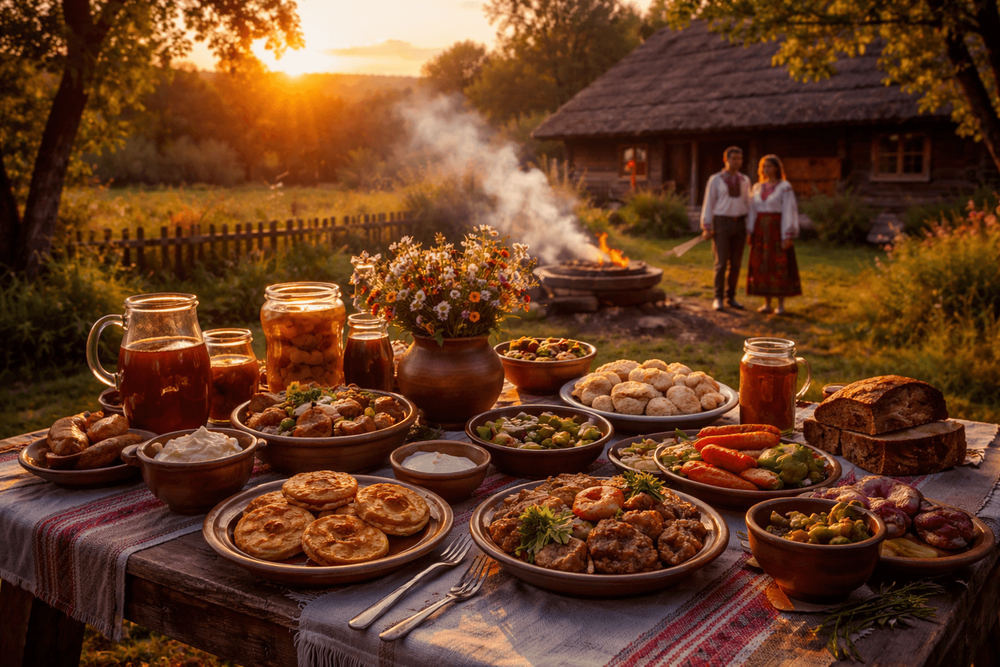
Savoring Belarus: How and Where to Find Authentic Local Cuisine
From markets and taverns to home kitchens and festivals, here’s how to taste Belarus at its source—what to order, where to go, and the etiquette to know.
Mood
Culinary Discovery
A winter sun lifts over Minsk and the first steam of morning rises from a skillet of grated potatoes at Komarovsky Market. The air is thick with dill and fried butter, with the faint sweetness of beet broth ladled into enamel bowls. Here, amid pyramids of pickles and buckets of sour cream, travelers quickly learn that finding local cuisine in Belarus is less about chasing the newest spot and more about tuning into a country where seasons, soil, and centuries-old habits still anchor the table.
The Belarusian Table: Signature Dishes and the Flavors Behind Them
Belarusian cooking is a study in quiet abundance. It leans into the gifts of a northern climate—potatoes, rye, cabbage, mushrooms, apples—and braises them in comfort: sour cream, butter, lard, and long-simmered stock. Portions are generous, flavors are earthy and rounded, and heat is gentle rather than fiery. Expect dill’s green brightness, the soft tang of fermented vegetables, and the smoke of cured pork threading through many plates.
Draniki
If there is a national shorthand, it is draniki: crisp-edged potato pancakes griddled in butter or oil, often served with a dollop of sour cream and sometimes tucked around mushroom ragout or minced pork. At family-run taverns they arrive sizzling in cast-iron, with the edges shattering like pastry.
- Ingredients: finely grated potato, onion, egg, flour (lightly), salt, black pepper.
- Variations: mushroom-stuffed in the forested north; draped with bacon cracklings (shkvarki) in farm country; light, almost lacy versions in cities.
- Flavor/portion: savory and buttery, with a potato sweetness; two to three hand-size pancakes form a typical portion.
Borscht and Kholadnik
Borscht is beloved across Eastern Europe, and Belarus’ versions tilt beet-forward, garnished with dill, sour cream, and sometimes a whisper of horseradish. In summer months, its chilled cousin—kholadnik—blushes bright pink with kefir and cucumber.
- Ingredients: beet, cabbage, carrot, onion; beef or pork stock for warmth; kefir and cucumber for kholadnik.
- Variations: meatier, garlicky pots in the south near Polesia; lighter, herbier bowls in urban cafés.
- Flavor/portion: earthy-sweet base with a lactic tang from sour cream or kefir; bowls are hearty, often preceded by brown bread.
Machanka
A celebratory stew, machanka is pork made plush—ribs, sausage, and belly simmered down with onions and sour cream until spoon-tender. The essential flourish is how it’s eaten: with thin pancakes (bliny) for dunking.
- Ingredients: assorted pork cuts, onion, sour cream; sometimes mushrooms.
- Variations: leaner takes in modern bistros; wood-fired versions in village taverns.
- Flavor/portion: rich and silken; portions arrive family-style, meant for sharing.
Kolduny
Not quite dumpling, not quite pancake, kolduny are potato parcels stuffed with minced meat or mushrooms, then pan-seared until the exterior crackles.
- Ingredients: grated potato dough; beef/pork or mushrooms; onion, black pepper.
- Variations: mushroom kolduny in the lake districts; venison in hunting season.
- Flavor/portion: savory, umami-rich; three to five dumplings make a main.
Other staples worth tasting
- Bulbyanaya babka: an oven-baked potato pudding, crisp on top, custardy within.
- Solyanka: a bracing, briny soup built on pickles, olives, and smoked meats.
- Syrniki: golden-edged farmer’s cheese pancakes with jam or honey.
- Black rye bread: dense and aromatic, often caraway-scented—a constant at the table.
- Drinks: kvass (a lightly fermented rye beverage), birch sap in spring, honey liqueur (krambambulya) for a warming nightcap.
Regional character shows at the edges: Grodno’s borderland past draws Polish-Lithuanian touches—buckwheat, poppy and honey sweets—while the boggy forests of Polesia deliver mushrooms and berries in profusion. Summer leans crisp and herbal; autumn turns to roasted roots and game; winters are slow-cooked and restorative.
Where to Eat Like a Local: Markets, Taverns, and Tiny Kitchens
Belarus reveals itself at the humble scale: family-run restaurants in linen and wood, tidy dairy shops, and market counters where the vendor knows the beekeeper by name. When it comes to finding local cuisine in Belarus, follow the quiet lines—commuters on lunch hour, grandmothers debating the best curd cheese—and the scent of fresh-fried potatoes.
Markets: the daily theater of food
- Komarovsky Market (Minsk): The capital’s food cathedral, under a vast white shell, hums from dawn. Look for wooden crates of chanterelles in late summer, jars of pickled tomatoes, smoked eel from the lake country, and wheels of tvorog (curd cheese). Try a fresh ladle of borscht, a hot paper cone of dumplings, or a shot of kvass drawn from a brass tap. Early morning is best; bring cash for smaller stalls, though cards are increasingly accepted.
- Regional bazaars: In Brest, Mogilev, and Vitebsk, smaller markets mirror the same rhythms. Saturday is for peak produce and steaming street snacks.
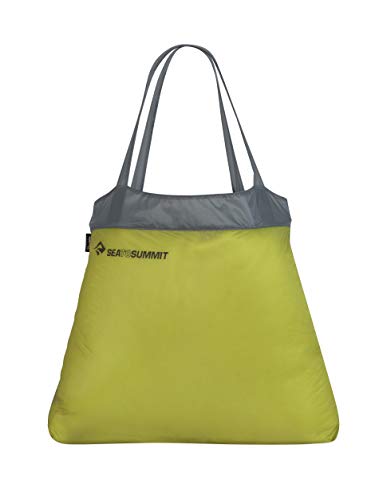
Sea to Summit Ultra-Sil Reusable Shopping Bag, Lime : Sea to Summit
View on AmazonTypical prices: a bowl of soup runs 5–9 BYN (about $2–$3), a portion of draniki 8–15 BYN ($3–$5), pastries 2–4 BYN ($0.75–$1.50). Prices vary with venue and exchange rates.
Family-run restaurants and village taverns (karchma)
The Belarusian karchma—rustic beams, clay jugs, woven rushniki—doesn’t always indicate a tourist trap. The genuine ones double down on seasonality and restraint: potato pancakes fried to order, machanka cooked low, pickles from someone’s auntie. Signs of authenticity include a short, seasonal menu; Belarusian or Russian first, English second; kvass on tap; and a crowd of locals. Expect mains from 18–35 BYN ($6–$12), stews for sharing 30–60 BYN ($10–$20).
For travelers pairing food with history, consider weaving these meals into a broader dive into traditions and daily life; our guide to Authentic Cultural Experiences in Belarus outlines context that makes each bite richer.
Dairy shops and bakeries
Belarus takes dairy seriously. Dedicated stores sell milk, kefir, ryazhenka (baked milk), and fresh tvorog by weight. Order syrniki to-go or a simple curd with honey for breakfast. In bakeries (bulachnaya), the prize is often a crusty rye loaf warm from the oven; look also for pirozhki stuffed with cabbage or potato.
How to spot the real thing
- Seasonal cues: chanterelles in July–August; apples and cranberries in September; jars of summer preserves on winter shelves.
- Menus that name producers or regions (e.g., Polesia mushrooms, Vitebsk buckwheat).
- Clay pots, cast-iron service, and house-fermented pickles are good omens—but the strongest sign is a menu that changes with the weather.
Where to stay to be near the action? A culinary base camp near the markets and classic taverns makes eating local effortless. The Riverside Minsk Hotel edges the historic center with a stylish calm; mornings begin with still-warm rye bread and a map to the nearest bazaar. For those curious about countryside cooking, the Polesia Farmstead Retreat welcomes guests to a working homestead—fresh-milk kefir at dawn, potato babka from the wood oven at dusk.
Experiential Ways to Access Local Cuisine
Belarus rewards curiosity. Beyond restaurants, a mosaic of immersive experiences opens doors to pans-and-pantry cooking that rarely meets a menu.
Home dinners and agrotourism farmstays
Ask a local guide—or your host—to arrange a home-style dinner. These evenings often include a table set with pickled mushrooms, homemade lard with rye bread, dill-flecked potatoes, and a family machanka recipe. Conversation meanders from recipes to folk tales; the pace is unhurried.
Across the countryside, agrotourism stays (agrousadyba) offer hands-on kitchens. Guests might help churn butter, stir berry jam, or grate potatoes for draniki under a grandmother’s instruction. Fees vary widely, but expect 40–90 BYN ($14–$30) per person for a multicourse home meal.
Market walks and cooking classes
Seek guided tours that begin with shopping—choosing cabbage at a market stall, tasting three types of honey—before moving into a kitchen to turn those finds into lunch. A good class covers Belarusian knife skills, spice minimalism, and the alchemy of dairy (sour cream, kefir, farmer’s cheese). Minsk has several independent cooks and culinary studios offering small-group sessions; ask your hotel concierge or local tourism office.

Anker Power Bank(PowerCore 10K), Compact Travel-Ready 10,000mAh Battery Pack with PowerIQ Charging Technology, 5V/3A High-Speed Charging for iPhone, iPad,and More (1, Black) : Cell Phones & Accessories
View on AmazonFood-focused city tours
In Minsk and regional hubs, guided tastings link Soviet-era cafeterias with contemporary bistros that reinterpret heritage dishes. Expect to sample kolduny two ways, borscht both hot and cold, and desserts like cottage-cheese syrniki with cloudberry jam. For travelers who want to intersperse rustic meals with elevated creativity, bookmark our feature on Luxury Dining in Belarus: Top Tasting Menus, Chef Experiences & Booking Tips.
Seasonal food festivals and when to go
- Maslenitsa (late winter): Pancake week bursts with bliny—the ancestral cousin to crêpes—served with butter, caviar, or honey, as the country turns toward spring.
- Kupalle (midsummer): Herbs, wreaths, and bonfires; expect grilled river fish, fragrant bread, and mountains of berries.
- Harvest fairs (autumn): Towns celebrate new potatoes, mushrooms, apples, and preserves; some regions host dedicated mushroom or potato days.
To plan your trip around peak produce and culinary festivals, consult our guide to When to Visit Belarus: Best Months for Weather, Wildlife, Festivals & Low‑Season Travel. In short: late spring through early autumn is a gentle arc of abundance; winter brings soul-warming soups and stews by the ladleful.
Another thoughtful city base for tastings is the Grodno Old Town House, where borderland flavors run through local menus and morning strolls deliver you to cozy cafés pouring kefir smoothies alongside warm poppyseed rolls.
Practical Tips for Finding Local Cuisine in Belarus
The joy of eating here lies in small exchanges: the market vendor who insists you taste two cherries; the restaurateur who brings a second bowl “because you must try it hot.” A few on-the-ground habits make these moments easier—and make finding local cuisine in Belarus feel effortless.
Ordering and useful menu phrases
Belarus is bilingual; Russian is widely used in service, with Belarusian present in signage and traditional venues. These phrases help:

Lonely Planet Russian Phrasebook & Dictionary: Lonely Planet, Jenkin, James, Taylor, Grant
Order the right meal with our menu decoder Never get stuck for words with our <strong>3500-word two-way dictionary</strong> We make language easy with shortcuts, key phrases & common Q&As Feel
Check Price on Amazon- “Menu, please” — Russian: “Меню, пожалуйста” (Menyu, pozhaluysta)
- “Can I have the bill?” — Russian: “Счёт, пожалуйста” (Schyot, pozhaluysta)
- “Do you have vegetarian dishes?” — Russian: “Есть вегетарианские блюда?” (Yest’ vegetarianskie blyuda?)
- “Without meat” — Russian: “Без мяса” (Bez myasa)
- “Thank you” — Belarusian: “Дзякуй” (Dziakuj); Russian: “Спасибо” (Spasibo)
- “Please” — Belarusian: “Калі ласка” (Kali laska); Russian: “Пожалуйста” (Pozhaluysta)
Menu clues and ingredients to recognize:
- Draniki (дранікі): potato pancakes
- Kolduny (калдуны): stuffed potato dumplings
- Machanka (мачанка): pork stew for dunking with pancakes
- Babka (бабка): baked potato pudding
- Kholadnik (халаднік): cold beet soup with kefir
- Griby (грибы): mushrooms; Kapusta (капуста): cabbage; Kartoplya/Bulba (картошка/бульба): potatoes; Svinina (свинина): pork; Govyadina (говядина): beef; Kuritsa (курица): chicken
Etiquette and tipping norms
- Reservations: Not essential at lunch; advisable at popular taverns for dinner and on weekends.
- Bread and vodka: In some homes and traditional venues, a small shot of vodka or a slice of rye bread may be offered as welcome; a polite sip is appreciated, though abstaining is fine.
- Tipping: Round up for cafés and casual eats; 5–10% in sit-down restaurants if service isn’t included. Leave cash on the table or add to the card if the terminal allows.
Dietary and vegetarian options
Belarusian cuisine is meat-forward but not unfriendly to vegetarians. Look for mushroom kolduny, potato dishes (draniki, babka), salads with beets and cucumbers, pickles, dairy-rich plates like syrniki, and Lenten items marked “постное” (postnoye), typically meat-free and sometimes dairy-free during Orthodox fasting periods. Vegans should confirm use of butter, sour cream, and eggs; ask, “Без молочных продуктов?” (Bez molochnykh produktov? — Without dairy products?).
Allergy note: Nuts are rare in savory dishes; dairy and eggs are common. Communicate clearly and consider a translated card with your restrictions.
Payment, price sense, and hours
- Currency: Belarusian ruble (BYN). Cards are widely accepted in cities; markets and small towns skew cash. ATMs are common.
- Price anchors: Soup 5–9 BYN; draniki 8–15 BYN; mains 18–35 BYN; multi-dish feasts 30–60 BYN. Upscale dining runs higher.
- Hours: Markets open early; many restaurants serve lunch from noon and dinner until 10–11 p.m. Kitchen closures between 3–5 p.m. are not unusual outside big cities.
Food safety and comfort
- Markets: Favor busy stalls with steady turnover; observe chilled storage for dairy and fish.
- Water: Tap water is treated in larger cities; if sensitive, choose bottled or boiled. Kvass is generally safe from reputable vendors.
- Street food: Eat what’s hot and freshly cooked; avoid items that have sat in open air.
Sustainable, ethical choices
- Eat with the seasons: Choose mushroom dishes in late summer, root vegetables and preserves in winter. This keeps travel footprints light and flavors at their peak.
- Support small producers: Buy honey, cheese, and pickles directly from named vendors at markets; bring a reusable tote and return jars where possible.
- Respect the woods: Foraging is a skilled craft here; if offered a mushroom feast, ensure the host is knowledgeable. Do not pick in protected areas.
- Green stays: Consider lodgings that prioritize local sourcing and energy efficiency; our round-up of Eco-Friendly Hotels in Belarus: Green Stays from Minsk to the National Parks is a smart place to start.
The Lasting Taste
By evening, when Minsk’s trams hum homeward and a pale dusk folds over the city, the day’s flavors settle into memory: the nutty chew of rye crust, the soft perfume of dill in beet broth, a skillet’s butter-sizzle under a lattice of potatoes. For many, finding local cuisine in Belarus becomes a collecting of such moments—market tastes and kitchen stories, tavern stews and farmyard breakfasts—stitched together into a map of a country that still cooks with its seasons, its forests, and its past. And that is a map worth following back again and again.
Recommended Travel Gear
Lonely Planet Russian Phrasebook & Dictionary: Lonely Planet, Jenkin, James, Taylor, Grant
Order the right meal with our menu decoder Never get stuck for words with our <strong>3500-word two-way dictionary</strong> We make language easy with shortcuts, key phrases & common Q&As Feel
Sea to Summit Ultra-Sil Reusable Shopping Bag, Lime : Sea to Summit
Lightweight, compact reusable shopping ... and stuff sacks · <strong>Ideal for grocery shopping, farmers markets, and travel; large 6.5 gallon capacity holds all the essentials, and strong fabric can
Anker Power Bank(PowerCore 10K), Compact Travel-Ready 10,000mAh Battery Pack with PowerIQ Charging Technology, 5V/3A High-Speed Charging for iPhone, iPad,and More (1, Black) : Cell Phones & Accessories
Anker Portable Charger, <strong>10,000mAh 30W Power Bank, USB-C in and Out Fast Charging Battery Pack, Travel Essential Phone Power Bank, for iPhone 17/16, Galaxy and More</strong> (Black, 10000.00, M