
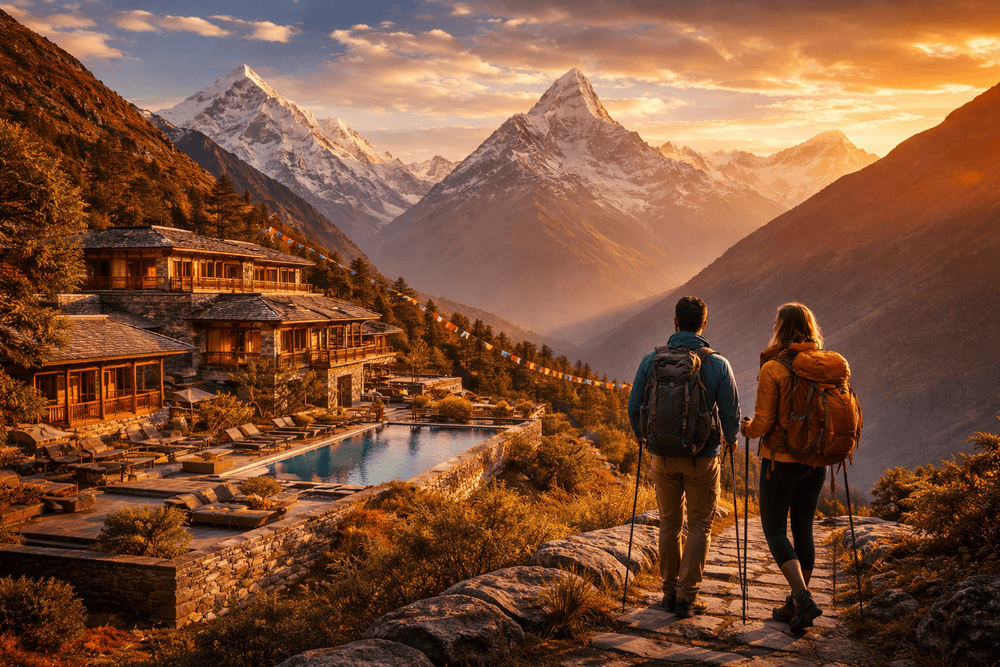
Luxury Hiking Tours in Nepal: Comfortable High-Altitude Adventures
Premium lodges, private guides, heli assists, and spa-like comforts: explore the Himalaya at a gentler pace with Nepal’s most indulgent hiking experiences.
Mood
Elevated Adventure
At dawn in the Khumbu, the air holds the clean bite of pine and glacier as prayer flags stir like small, bright wings. Yak bells chime from somewhere below, and a lodge window throws a rectangle of amber across a stone path. Inside, a fire crackles, coffee steams, and a down duvet still remembers a perfect night’s sleep. This is the promise of luxury hiking tours in Nepal: the world’s most storied mountains, experienced at a gentle pace with comfort dialed to high.
The Allure of Luxury Hiking Tours in Nepal
Luxury in the Himalaya is not about gilded lobbies. It’s the luxury of breath and time: arriving to a warm room and hot shower after a crisp day’s walk, a porter lifting the weight of a duffel so the trail becomes pure pleasure, a chef plating dal bhat beside a glass of Cabernet while the last light slides down a ridge. Luxury hiking tours in Nepal elevate the teahouse tradition with curated lodges, private guides and porters, refined dining, and even wellness rituals at altitude—all without losing the intimacy of life along the trail.

Lonely Planet Trekking in the Nepal Himalaya 10 (Walking Guide): Mayhew, Bradley, Brown, Lindsay, Butler, Stuart
Lonely Planet Trekking in the Nepal Himalaya 10 (Walking Guide) [Mayhew, Bradley, Brown, Lindsay, Butler, Stuart] on Amazon.com. *FREE* shipping on qualifying offers. Lonely Planet Trekking in the Nep
Check Price on AmazonUpgraded Lodges and Boutique Glamping
On popular routes, a network of premium lodges replaces basic teahouses with heated rooms, plush bedding, quality linens, and ensuite bathrooms where terrain allows. Common rooms glow with woodstoves; baristas pull espresso; wine lists appear with dinner. In wilder zones where bricks give way to big skies, boutique expedition camps create a cocoon: walk-in canvas tents with proper mattresses, heaters, and ensuite shower tents; a dining pavilion with carpets, candles, and a private chef. For travelers who crave the romance of the trail with creature comforts, Nepal’s new wave of glamping in the Himalaya makes high country feel like home.
Private Guides, Porters, and Pacing
Luxury operators match small, private teams to each group. A seasoned guide—often Wilderness First Responder–trained—sets a pace that suits the day and the altitude, while porters carry the bulk of luggage to keep steps light. Flexibility is the main perk: detours to a monastery at the whisper of juniper smoke, a spontaneous photography stop when a cloud uncaps Machhapuchhre, or a longer lunch to chat with a lodge owner about the harvest.
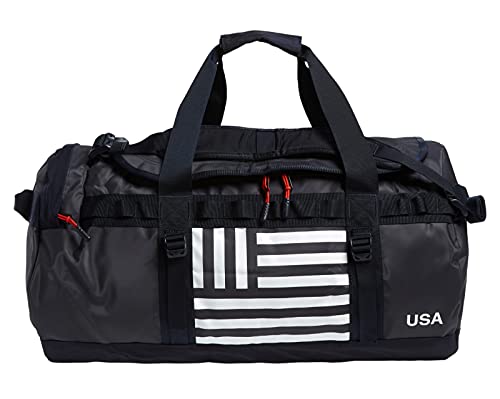
Amazon.com | The North Face Base Camp Duffel 71L Medium Tnf Black | Travel Duffels
71L Padded side handles serve as both duffel carry handles and haul handles D-zip opening with a weather-resistant zipper flap Main compartment has a zippered mesh pocket and an added end-cap mesh sle
Check Price on AmazonDining and Wellness at Altitude
Menus extend past noodles and lentils to include hearty soups, wood-fired pizza in Namche, Thakali comfort food, and international classics. Breakfasts run to fresh fruit, yogurt, eggs made to order, and French press coffee. Some lodges and camps offer saunas, hot stone baths, or massage treatments; others bring yoga mats to terraces where sun salutations echo the mountains’ posture. Pair the trail with a pre- or post-trek recovery day at a dedicated wellness retreat—Nepal’s temples, forests, and hot springs have long drawn seekers, and modern sanctuaries now match the setting (Himalayan wellness retreats).
For an elegant bookend in Kathmandu, the Dwarika’s Hotel occupies a lovingly restored Newar complex where carved wood, courtyards, and a serene spa set the tone for a refined expedition.
Who It’s For
- Time-poor travelers who want the grandeur without the grind—heli assists compress long approaches into scenic flights.
- Couples or honeymooners who trade tents for timbered suites and candlelit dinners.
- Multi-generational families or photographers who benefit from flexible pacing and private logistics.
- Trek-curious travelers looking for soft adventure rather than summit fever.
The unique selling point versus standard treks is not just comfort; it’s curation. Luxury hiking tours in Nepal weave access, safety, and story—private monastery blessings, sherpa-led village walks, and rooms waiting warm—into a seamless, deeply felt journey.
Signature Routes and Standout Moments
Annapurna Luxury Lodges: Terraces to Snowfields
South of the Annapurna massif, trails ripple through rhododendron forests and terraced hillsides where water buffalo doze and marigolds crowd doorways. A string of premium lodges—set in villages like Ghandruk, Majgaon, and Dhampus—turns a moderate hike into a pastoral pilgrimage. Days are rich in detail: the crunch of slate underfoot; a copper pot steaming in a farmhouse kitchen; the sudden apparition of Annapurna South and Hiunchuli, white as chalk dust in the late-afternoon glow.
Most Annapurna luxury lodge itineraries run four to six nights with short daily walks (3–6 hours), generous lunches, and evenings by the fire. Itineraries can fold in the famed Poon Hill sunrise—a short pre-dawn climb that ends with layered peaks blushing rose and apricot—or stretch to quieter hamlets where farmers thresh millet and children race home in the blue hour. In Pokhara, the Tiger Mountain Pokhara Lodge presides over a ridgeline with views that linger; its stone cottages and bird-rich gardens feel like a final deep breath before the return to city rhythms.
Everest Region, Elevated: Comfort in the Khumbu
In Sagarmatha National Park, upgraded lodges bring comfort to Sherpa country, particularly around Namche Bazaar, Khumjung, and Thame. Private rooms come with thick duvets, room heaters, and attached baths where possible. Evenings drift by on stories of avalanche rescues and climbing seasons while a stove hums at the room’s center. Days may include the balcony path to Everest View points, the gilded hush of Tengboche Monastery, or quiet hours among mani stones carved with the sacred syllable om.
For those with limited time, heli-assisted hiking trims long approaches without skipping the high drama: fly in to Lukla or a nearby airstrip when weather allows, spend days walking at 3,000–4,000 meters, then helicopter out from the ridge after a final toast. A celebratory overnight or breakfast at Hotel Everest View turns the panorama—Everest, Lhotse, Ama Dablam—into a private amphitheater, weather and landing permissions permitting.
Upper Mustang: Boutique Expeditions on the Wind-Carved Plateau
Beyond the rain shadow of the Annapurnas, Upper Mustang unfurls like a living silk thangka: ochre canyons, cave monasteries, and walled cities that have guarded trade routes for centuries. Luxury here means private expedition style—spacious sleeping tents with proper beds and down duvets, a dining tent glimmering with lantern light, and a chef who knows how to coax comfort from high, dry air. Days thread between whitewashed chortens and barley fields; evenings bring sky-wide constellations and the distant drumbeat of a gompa festival.
Permits are strictly controlled in this restricted region, which preserves both cultural integrity and a sense of remoteness. The reward: an otherworldly landscape and the privilege of arriving quietly, respectfully, and well looked after.
Short Escapes: Poon Hill and Heli-Hiking Daydreams
Not every luxury hike requires two weeks. A three- or four-night circuit to Poon Hill delivers sunrise theatre with upgraded rooms and private picnics on sunny ridges. From Pokhara, day hikes to Australian Camp or the lower Mardi Himal trails can pair with a helicopter drop or pickup to skip the steeper sections if conditions allow. In the Kathmandu Valley, history-rich day walks—Bhaktapur’s brick lanes, Dhulikhel’s pine-scented ridges—end with spa time and a night under handwoven quilts.
For adventurers who want to punctuate a gentle trek with something more adrenal, Nepal’s rivers, canyons, and peaks are on the doorstep—responsible operators can stitch in a touch of white-water or a scenic flight without sacrificing comfort (adventure in Nepal).
Logistics and What to Expect
Seasons and Weather Windows
The clearest mountain light belongs to autumn (October–November) and spring (March–April), when skies settle and rhododendrons flare. Winter brings crystalline mornings and crowd-free trails but much colder nights. Early summer can be hazy and warm ahead of the monsoon (June–September), which green-washes hillsides and obscures big views; Upper Mustang, protected by a rain shadow, remains viable through much of the monsoon. For a deeper month-by-month breakdown, consult our guide to the best time to explore Nepal.
Permits and Paperwork
Paperwork varies by region and changes occasionally, but luxury operators handle it end-to-end:
- Everest (Sagarmatha National Park): national park entry plus a local Khumbu rural municipality permit collected en route.
- Annapurna: the Annapurna Conservation Area Permit (ACAP) and a trekking registration (TIMS) managed through a licensed company.
- Upper Mustang: a restricted area permit (often issued for a minimum number of days) and a licensed guide are mandatory.
Domestic flights—particularly to Lukla—are weather dependent; premium trips build in buffer days and helicopter contingencies where prudent. Drone usage requires special permissions, and heli landings are only possible in approved zones subject to conditions.
Fitness, Acclimatization, and Safety
Luxury eases the edges, but altitude remains the great equalizer. Well-designed itineraries keep daily elevation gains conservative and stage acclimatization nights around 3,000–4,000 meters where needed. Expect guides to carry pulse oximeters and comprehensive first-aid kits; some outfitters include bottled oxygen and satellite communicators. Travelers should carry insurance covering high-altitude trekking and helicopter evacuation.
Fitness expectations are modest: three to six hours of hiking a day with stops for photographs, tea, and cultural visits. Training should emphasize steady cardio, hill work, and core strength. Good boots, broken in well before departure, remain the simplest luxury of all.
How Long to Go—and What It Costs
- Annapurna luxury lodge circuits: 4–6 nights on trail (7–10 days door to door). Private, fully supported trips typically run US$400–800 per person per day depending on group size and inclusions.
- Everest comfort treks to Namche, Khumjung, or Thame: 5–8 nights on trail (8–12 days total). Expect US$500–900 per person per day; add US$3,000–6,000+ for scenic heli legs depending on routing and aircraft.
- Upper Mustang boutique expeditions: 8–12 nights on trail (10–14 days total). Restricted permits and logistics push costs to US$700–1,200+ per person per day.
- Short luxury escapes (Poon Hill, valley hikes): 3–4 nights on trail (5–7 days total). From US$350–600 per person per day.
Inclusions commonly cover a private guide and porter team, premium lodges or luxury camps, most meals, drinking water refills, domestic flights, private transfers, permits, and filtered coffee or tea with meals. Add-ons may include alcohol, à la carte spa treatments, single supplements, helicopter segments, gratuities, and specialty gear rentals.
Responsible Luxury and Smart Booking
Choosing the Right Operator
Reputation is the first piece of gear. Look for companies with long-standing local partnerships, robust safety protocols, and guide training that includes altitude medicine and Leave No Trace. Memberships with reputable associations and transparent evacuation policies are green flags. Ask about porter welfare: maximum load limits, proper clothing, meals, accommodation, and insurance should be guaranteed.
Community Benefits and Fair Wages
Luxury should expand the circle of comfort. Favor itineraries that overnight in locally owned lodges, visit community projects with sensitivity, and source food from village farms. Fair wages and seasonal employment can create profound ripples—school fees paid on time, a clinic stocked, a kitchen garden expanded—without turning culture into a commodity.
Lighter Footprints in Fragile Landscapes
The finest trips tread lightly. Operators can supply refillable bottles and filtered water to cut single-use plastics. Camps should minimize waste, pack out what they bring in, and favor solar where feasible. On trail, stay on established paths to prevent erosion; in monasteries, dress modestly and ask before photographing. If eco-credentials matter, consider pairing the trek with properties that lead on sustainability practices across Nepal’s highlands (eco-friendly hotels in the Himalayas).

GRAYL GeoPress 24 oz Water Purifier Bottle - Filter for Hiking, Camping, Survival, Travel (Bali Blue)
View on AmazonTipping Norms, Customization, and Where to Splurge
Gratuities are customary and appreciated. As a guideline for private luxury trips, plan roughly US$20–30 per day for the lead guide and US$10–20 per day per porter, adjusted for group size and service level. For large helicopter segments or multi-day expeditions, teams sometimes pool a collective tip at journey’s end.
Customization is the essence of luxury. Smart splurges include an extra acclimatization day (comfort and safety), a ridge-top room with a view, or a short helicopter hop to bypass a congested or weather-prone section. Economize by traveling in the shoulder seasons, limiting flight time, or selecting slightly shorter routes that still deliver big scenery.
Back in the valley, restore with a final night where heritage meets hospitality: the Dwarika’s Hotel makes a graceful farewell in Kathmandu, while the Tiger Mountain Pokhara Lodge settles the soul with quiet verandas and long valley views.
What It Feels Like to Come Home
After days of clear air and confident footsteps, the return carries its own soft luxury: the memory of juniper smoke in a monastery courtyard; a waiter topping off tea as a ridge goes violet; laughter sharing momos under a sky fretted with stars. Luxury hiking tours in Nepal deliver not just mountain drama and fine linens—they leave travelers walking a little lighter, long after the duffels are unpacked.
Recommended Travel Gear
Lonely Planet Trekking in the Nepal Himalaya 10 (Walking Guide): Mayhew, Bradley, Brown, Lindsay, Butler, Stuart
Lonely Planet Trekking in the Nepal Himalaya 10 (Walking Guide) [Mayhew, Bradley, Brown, Lindsay, Butler, Stuart] on Amazon.com. *FREE* shipping on qualifying offers. Lonely Planet Trekking in the Nep
Amazon.com | The North Face Base Camp Duffel 71L Medium Tnf Black | Travel Duffels
71L Padded side handles serve as both duffel carry handles and haul handles D-zip opening with a weather-resistant zipper flap Main compartment has a zippered mesh pocket and an added end-cap mesh sle
GRAYL GeoPress 24 oz Water Purifier Bottle - Filter for Hiking, Camping, Survival, Travel (Bali Blue)
Versatile, fast, and ridiculously easy to use — the 24oz GeoPress Water Filter & Purifier Bottle <strong>requires zero setup, no sucking or squeezing, and makes 24 fl oz (710 ml) of clean purified