Madeira’s Garden Path Revolution: Cliff Walks, Wine Terraces and Design-Forward Stays
Microclimates, cliff walks, wine terraces and design-forward stays: our Madeira travel guide maps a 5–7 day spring trip where each day feels like a new season.
Trip Length
5-7 days
Best Time
March–June
Mood
adventure
The morning opens with rain bead-drawing on Funchal’s tile roofs, a silver veil over the harbor. By the time you’ve driven a single tunnel through the mountains, the north coast glows in full sun and the Atlantic throws indigo at the cliffs. This is the island’s party trick—four seasons in a day—and the reason this Madeira travel guide leans into spontaneity. Pack for sun, mist, and the kind of trail that leads you, quite literally, along the life lines of the island: moss-rimmed levadas.
Why March–June Wins
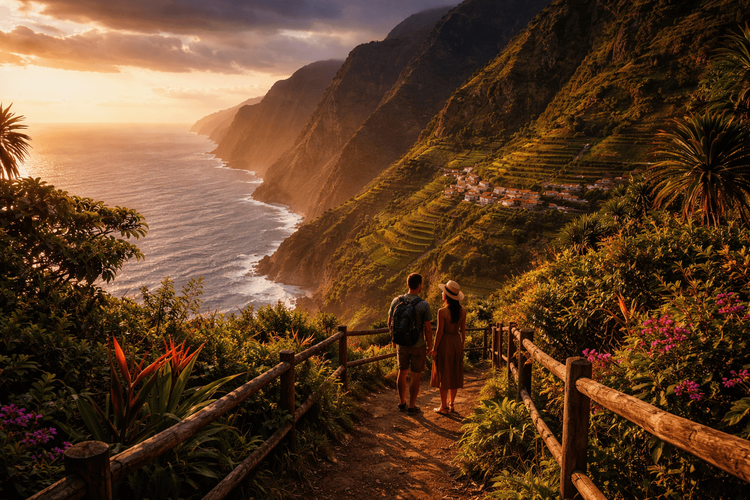
Spring turns Madeira into a layered garden: roadside fennel and wildflowers edging the irrigation paths, cloud forests damp with laurel scent, and hill terraces restarting the vine cycle. From March through June, the weather is cooperative without being hot; the beaches on the south coast start to warm, and the high ridges often sit above a rolling sea of cloud. Trails are open, waterfalls are energetic, and outdoor tables—on rooftops, in cloistered courtyards, on wine terraces—feel like an extension of the landscape.
This is also the moment when the island’s boutique scene shows its edge. Renovated quintas with basalt stone and cork accents, cliff-perched studios framing horizon lines, and discreet guesthouses that pair native wood with sculptural concrete—all of it geared to the outdoorsy traveler who wants to hike hard by day and decompress in a quiet, design-forward corner by night.
Design-Forward Stays: The Island’s New Rhythm
Madeira’s accommodation revolution is subtle rather than splashy. Look for places that reuse heritage bones—farmhouses ringed by banana patches, sea captains’ townhouses reinvented with light wells and vertical gardens, hillside lodges where every window pretends to be a postcard. Expect breakfast to be a point of pride: local bread still warm, soft cheeses, honey, passion fruit, and just-squeezed citrus. In the evenings, terraces flicker on; you’ll hear the ocean before you see it.
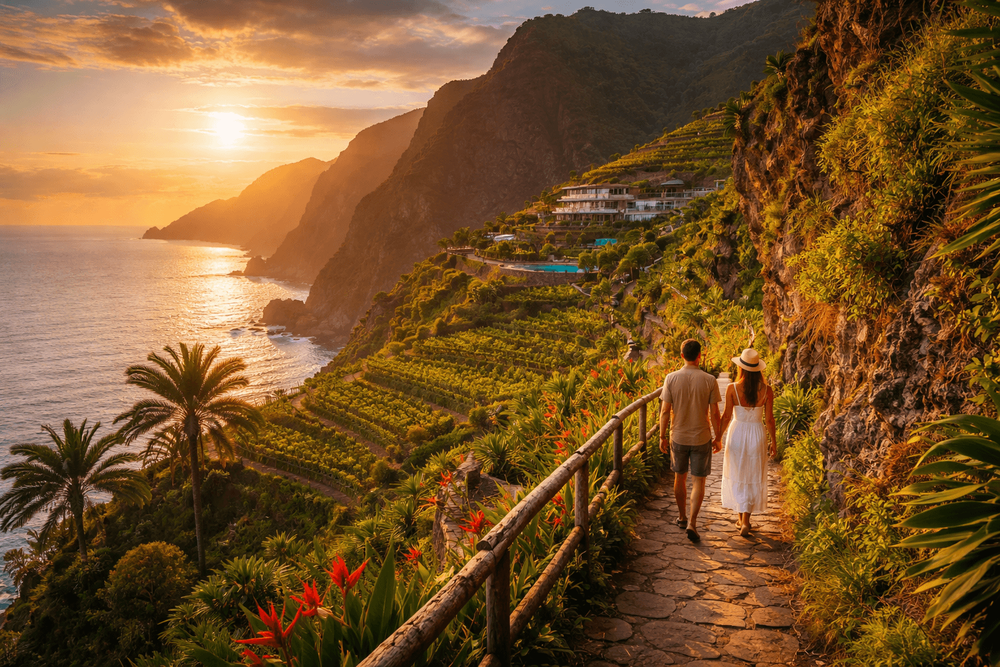
Many boutique stays now orient rooms toward the walking life: boot racks by the door; rainfall showers to rinse off laurel mud; plunge pools or small saunas for cool spring evenings. On the west coast, you’ll find villas edged with volcanic rock and infinity pools that hover over terraced vineyards. In Funchal, contemporary townhouses tuck rooftop decks between church towers and the harbor—ideal for a nightcap of fortified wine as ferries slide in and out.
Madeira travel guide: A 5–7 Day Adventure Plan
Use this outline as a canvas; the island’s microclimates will nudge you to shuffle days based on where the sun is playing.
Day 1–2: Funchal and the Gardens Above It
- Wander Funchal’s lanes, the market, and the waterfront promenade, then ride the cable car to the hilltop gardens. The descent by foot threads quiet neighborhoods and stair-stepped viewpoints. Duck into a historic wine lodge for a tasting flight to learn the island’s spectrum—from drier, tangy styles to deep, caramel-rich pours. Dinner runs late here; linger on a terrace with local fish and island-grown produce.
- Sleep in a central townhouse hotel or a revived manor with a garden pool. Both put you within walking distance of galleries and the marina.
Day 3: Ridge Sunrise and Levada Afternoon
- Set an early alarm for the ridge road up to the high peaks. The trail between Pico do Arieiro and Pico Ruivo is a classic for a reason: knife-edged stairways, tunnels pecked through tufa, and views above the cloud deck when conditions align. If the full traverse feels too ambitious, sample a shorter out-and-back to a viewpoint; the drama starts early.
- After lunch, choose a levada in the laurel forest. The UNESCO-listed Laurisilva is prime spring territory—ferns, birdsong, and water coursing beside you. A headlamp is handy for occasional tunnels; tread is wet but forgiving.
Day 4: North Coast Water and Stone
- Aim for the north coast’s raw edges: black-sand coves near Seixal, sea arches, and viewpoints where the cliffs drop straight to Atlantic surge. Spring swells can be lively; swim where locals do, or save your plunge for volcanic rock pools protected from surf.
- Many small inns along this shore use basalt, glass, and timber to keep the view front-and-center. Evenings are for grilled limpets, garlic, and an easy drive back through well-lit tunnels.
Day 5: Vine Terraces and Village Tables
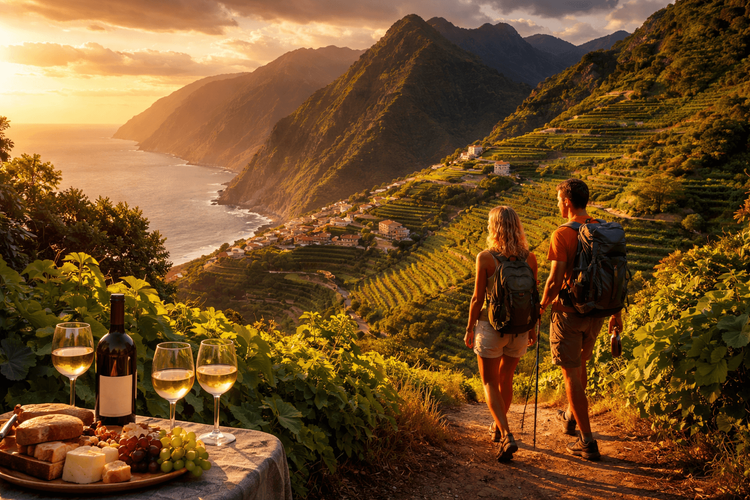
- Follow the wine terraces that ladder the hills above south-facing bays. Book a tasting on a working estate, or stick to town lodges that pour across styles and vintages with smart pairings. You’ll learn how altitude and aspect bend the grape, and why Madeira’s winemaking methods create such long-lived wines.
- Lunch in a village square: black scabbard fish with banana, or a plate of grilled meats, washed down with a cool, lightly sweetened poncha if you’re not driving. Post-meal, a gentle levada to a waterfall balances the day.
Day 6: Eastern Peninsula and Wind-Carved Trails
- The Ponta de São Lourenço peninsula offers a dry, sculptural counterpoint to the island’s lush interior. Think tawny earth, wind, sea stacks, and a horizon that seems to tilt with the waves. The path is straightforward; go early for clear light, then linger at viewpoints where the ocean splits into shades of cobalt and teal.
- Return via the coast, stopping for a swim on a protected pebble beach if seas allow. Back in Funchal, celebrate with a rooftop sundowner.
Optional Day 7: Canyon, Boat, or Do-Nothing Luxury
- Spring is prime for guided canyoning in clear ravines, or for a boat day looking for dolphins offshore with a responsible operator. Prefer idling? Book a spa afternoon and then graze through small plates on a terrace while the city lights up.
Cliff Walks, Levadas and Safety Smarts
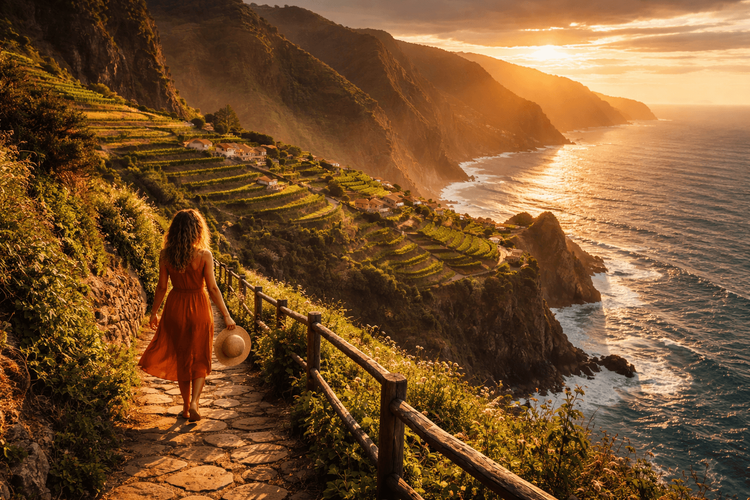
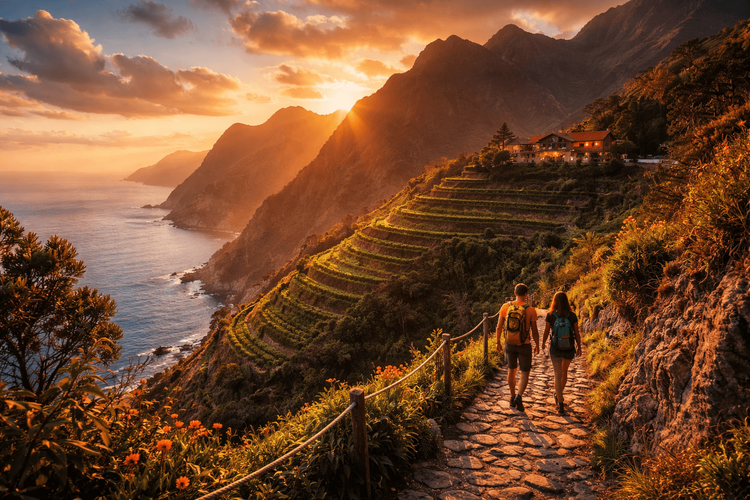
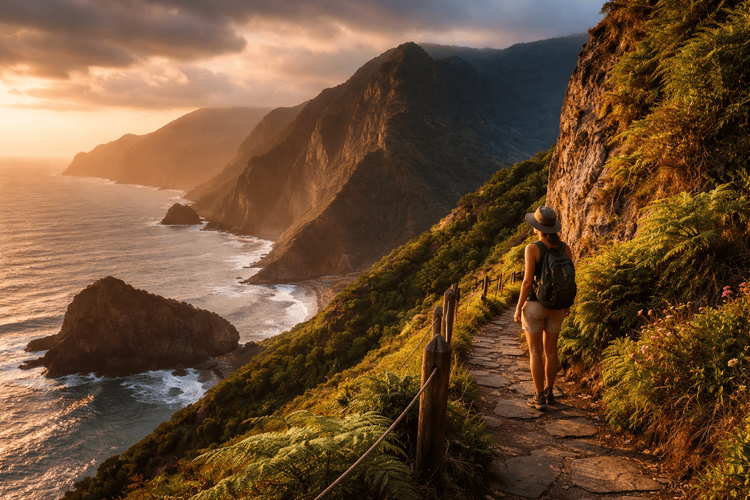
The island’s walking network divides roughly into two experiences: balcony-like levadas and big-mountain veredas. For levadas, choose routes that match your comfort with exposure; some include narrow ledges with handrails, others are forest strolls with soft footing. For ridgelines, mountain weather can flip quickly; carry a light shell, sun protection, water, and patience. Park only in signed areas and keep an eye on official advisories if heavy rain is forecast.
Guides can deepen the experience, translating geology and botany as you go. Even self-guided, you’ll find that spring daylight and the island’s efficient tunnel system let you link trailheads without long detours.
Wine Terraces, Plates and a Sense of Place
Madeira’s terraced agriculture is a masterclass in making mountain meet sea. Vineyards coil around sun-catching slopes; bananas and subtropical fruit fringe ravines. In Funchal and across coastal towns, you’ll find kitchens that treat these ingredients with care—think vinegars made from local wine, marinated tuna, fragrant soups, and flaky pastries. Seek out casual village tables and you’ll see how the island eats when no one’s performing.
For wine, start with a primer tasting in town, then carry favorites back to your terrace—the interplay of acidity and sweetness makes a perfect nightcap. Outside the fortified classics, look for still wines from the island, an increasingly interesting side plot.
Getting There and Getting Around
- Flights: Most visitors arrive via FNC, Madeira’s international airport, with frequent connections from mainland Portugal and several European hubs. Spring schedules are generous; book early for the widest choice of arrival times.
- Ferries: A passenger ferry links Madeira and Porto Santo; schedules change seasonally, so confirm before planning a day trip.
- Driving: A compact car opens up the island. Modern tunnels make cross-island transits surprisingly quick, while some older coastal roads are scenic and slower. Expect steep, narrow lanes in villages; automatic transmissions are limited in supply, so reserve ahead if needed.
- Without a car: Intercity buses are reliable on main routes, and taxis or ride-hailing services can bridge gaps to trailheads. Many outfitters offer point-to-point transfers for hikers.
What to Expect on Arrival
The airport is efficient: you’ll clear formalities, pick up a car from on-site rentals, or hop a taxi or shuttle to Funchal in under an hour, depending on traffic. ATMs and mobile service desks sit landside; card payments are widely accepted across the island. Portuguese is the official language; in hospitality settings, you’ll hear English readily. Tap water is potable, and supermarkets carry everything from local cheeses to picnic-perfect fruit.
Trails are well signed, though a dedicated hiking app or GPX download helps in fog. Many levadas pass through short, unlit tunnels—bring a compact headlamp. Spring seas can be lively; swim only where conditions are calm and lifeguards or locals recommend it.
The New Madeira, By Design
What’s the through line between cliff walks, wine terraces, and the island’s evolving hotels? A careful eye for place. Architects and hoteliers are working with gradients—of climate, of terrain, of light—to create stays that frame rather than fight the island. You’ll feel it when you step from a cool laurel path into a sunlit courtyard room, or when you swap ridge wind for a candlelit bath carved from dark stone.
This Madeira travel guide favors March–June not just for weather, but for mood. The island is awake, the trails are friendly, and those thoughtful stays still have rooms. Start plotting lines on the map—one for a ridge sunrise, one for a levada wrapped in ferns, one for a late dinner on a terrace above the wine terraces. The island rewards momentum, and a little serendipity.
Where to Stay

Aqua Natura Bay
Aqua Natura Bay is a 4-star Madeira Island hotel known for its scenic location and high guest ratings, offering comfortable stays with easy access to the island’s natural attractions.

Dom Pedro Madeira
Dom Pedro Madeira is a 4-star hotel on Madeira Island, offering easy access to local sights and a comfortable stay, with a guest rating of 8.6/10.

Saccharum - Resort and Spa - Savoy Signature
Clifftop 5-star resort on Madeira Island with Atlantic views, Saccharum - Resort and Spa - Savoy Signature offers a spa, multiple pools, and contemporary design near Calheta’s waterfront.

TURIM Santa Maria Hotel
TURIM Santa Maria Hotel is a 4-star stay in Madeira Island with a central location, modern rooms, and easy access to local sights, dining, and the waterfront, earning a strong 9.1/10 guest rating.

Melia Madeira Mare Hotel
Melia Madeira Mare Hotel is a 5-star stay on Madeira Island with easy access to the coast, offering contemporary rooms, sea views, a pool, spa, and dining options, and it earns an 8.9/10 guest rating.