
Mexico Travel Safety: Smart, Practical Tips for Confident Travel
A region-aware guide to Mexico travel safety—smart planning, on-the-ground tips, beach smarts, transport know-how, and emergency resources for confident trips.
Mood
Confident Explorer
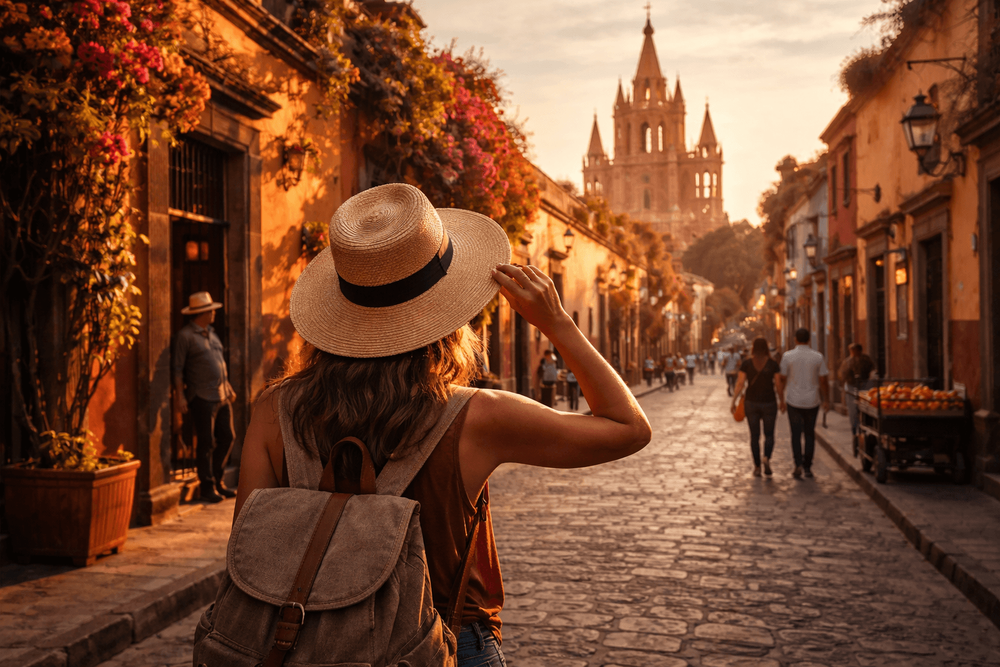
At dusk, the Malecón in La Paz glows the color of guava as families stroll past paletería carts and joggers trace the sea’s edge. A brass band warms up; pelicans skim the shallows; the breeze is soft with salt and frying fish. For most visitors, Mexico feels like this—convivial and easy. Mexico travel safety, however, benefits from the same thoughtful preparation one would bring to any large, complex country. A little planning turns good trips into great ones.
Why Mexico Travel Safety Matters: Context, Not Panic
Mexico welcomes tens of millions of international visitors each year, drawn by its coasts, cuisine, and cities layered with pre-Hispanic and colonial history. Most trips are incident-free. Yet the country’s safety profile is nuanced and deeply regional. National crime figures—particularly homicide statistics—sit well above global averages, but those headline numbers obscure sharp contrasts between states and even neighborhoods.
- Tourist hubs such as Mérida and much of the Yucatán Peninsula are widely regarded as among the country’s safest urban areas.
- Heavily visited corridors—Los Cabos, parts of the Riviera Maya, Puerto Vallarta, Oaxaca, San Miguel de Allende, Mexico City’s central neighborhoods—prioritize visitor safety with visible policing and tourism infrastructure.
- Some states face persistently higher levels of organized crime and inter-gang violence. Risks are often concentrated away from tourist zones and tend not to target travelers, but they can create bystander hazards.
The responsible approach is to evaluate destination-by-destination. Look to current, local guidance, not blanket judgments. Mexico travel safety improves markedly when travelers choose well-located lodging, keep to reputable transportation, and stay informed about conditions on the ground.
Plan Ahead: Research, Registration, Insurance, and Health Prep
Thoughtful pre-trip planning is the single best investment in a smooth visit.

Lonely Planet Mexico 16 (Travel Guide): Sainsbury, Brendan, Armstrong, Kate, Bartlett, Ray, Brash, Celeste, Butler, Stuart, Fallon, Steve, Hecht, John, Kaminski, Anna, Masters, Tom, Prado, Liza, Tang, Phillip
Honest reviews for all budgets ... Northern Mexico · The Perfect Choice: Lonely Planet's Mexico is <strong>our most comprehensive guide to the country</strong>, and is designed to immerse you in
Check Price on AmazonRead multiple advisories and local news
- Compare advisories from your home government with Mexican state-level news and municipal tourism boards. Conditions change; guidance for one state often differs for its neighbor.
- Track event calendars and local holidays (Semana Santa, Independence Day, major fútbol matches), which can affect crowds, traffic, and policing patterns.
For a framework on interpreting risk language and alert tiers, see this practical explainer: Is It Safe to Travel to [Country]? Honest, Practical Safety Guide.
Register your trip with your embassy
- Citizens of the United States can enroll in the Smart Traveler Enrollment Program (STEP) to receive alerts and make it easier for consular officers to reach you in an emergency.
- Many countries offer similar services (Canada’s Registration of Canadians Abroad, the UK’s travel advice email alerts, Australia’s Smartraveller). Enroll, note local consulate contacts, and store them offline.
Buy robust travel insurance and know the fine print
Medical care in Mexico ranges from world-class private hospitals to basic rural clinics. Private facilities will expect proof of coverage or payment up front. A policy that includes medical evacuation, trip interruption, and theft coverage offers real peace of mind. Compare coverages and claim requirements before you go: What Is the Best Travel Insurance? Expert Guide to Choosing the Right Policy.
Health preparation basics
- Routine vaccines should be current. Many travelers also consider Hepatitis A and Typhoid. Discuss with a travel clinic 4–6 weeks before departure.
- Pack a small medical kit (oral rehydration salts, antidiarrheals, pain reliever, adhesive bandages, motion-sickness tablets). If bringing prescriptions, keep them in original containers and carry a copy of the script.
- If you’ll be in tropical or coastal areas, plan for mosquito exposure. Bring repellent (DEET or picaridin), long sleeves for dusk, and consider a permethrin-treated layer for jungle treks.
On the Ground in Cities: Neighborhoods, Night Travel, and Situational Awareness
Mexico’s cities are some of Latin America’s most rewarding—Mexico City’s leafy Condesa mornings, Oaxaca’s mezcal-scented evenings, the pastel stillness of Mérida at siesta. In urban settings, Mexico travel safety follows patterns familiar from other metropolises.
Choose location and lodging wisely
- Book in central, well-lit neighborhoods with an active street life after dark. In major cities, districts such as Polanco, Condesa, Roma, Coyoacán (Mexico City), Centro and Reforma (Oaxaca City), and the historic center and Norte/Itzimná (Mérida) are popular with visitors.
- Arrive at your accommodation in daylight when possible. Use the room safe for passports and excess cash; photograph your passport’s data page and store a copy in the cloud.
For practical in-room and property-level habits that work anywhere, see How to Stay Safe While Traveling: Expert Hotel & On‑the‑Road Tips.
Be discreet with valuables and cash
- Use ATMs inside banks or malls during business hours; avoid freestanding machines in nightlife zones.
- Carry only what you need for the day. Keep phones zipped away when moving through crowded transit hubs and markets.
- Consider a decoy wallet with a small sum; keep your primary cards elsewhere on your person.
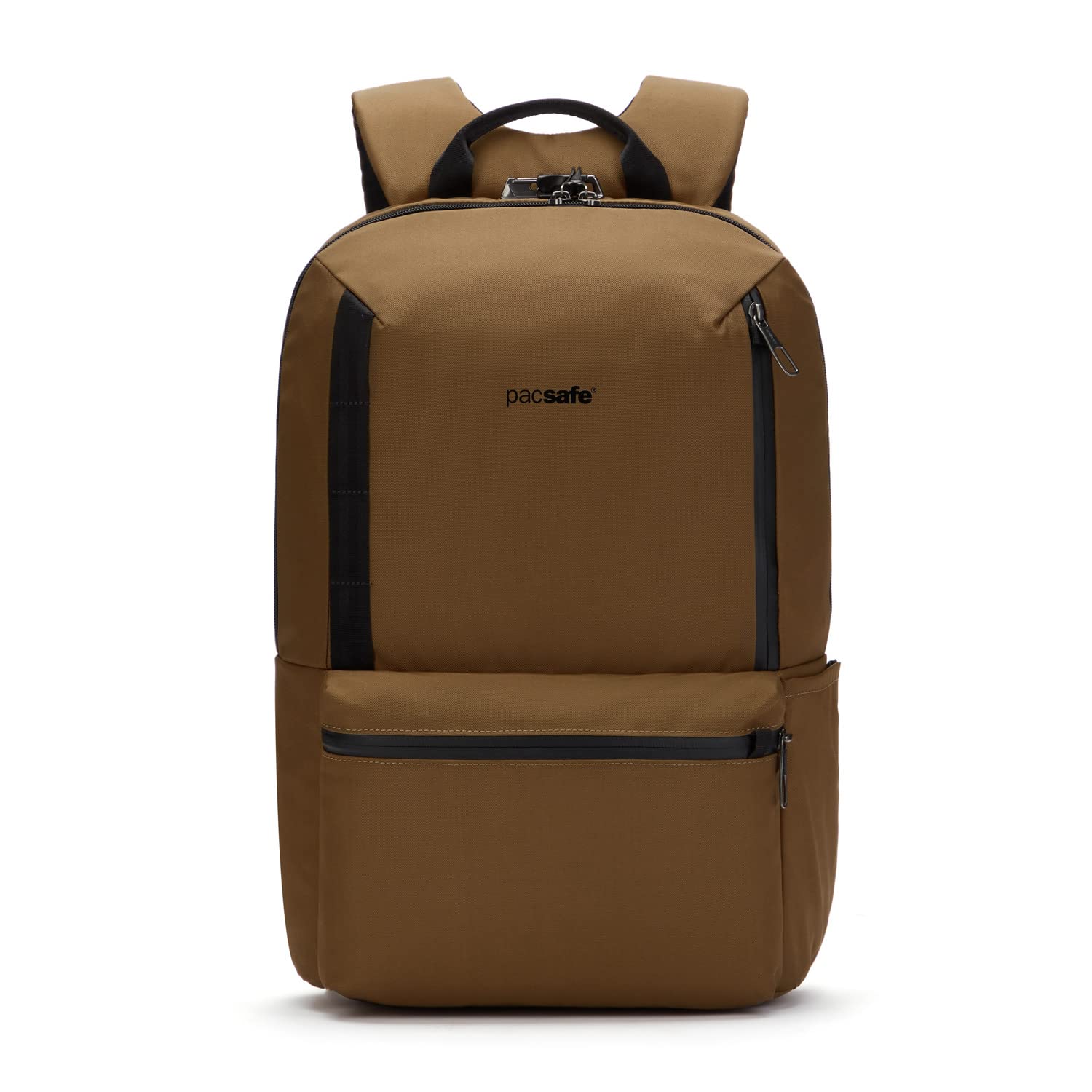
Amazon.com | Pacsafe Metrosafe X Anti Theft 20L Backpack - with Padded 15" Laptop Sleeve, Black | Casual Daypacks
Buy Pacsafe Metrosafe X Anti Theft 20L Backpack - with Padded 15" Laptop Sleeve, Black and other Casual Daypacks at Amazon.com. Our wide selection is eligible for free shipping and free returns.
Check Price on AmazonNightlife and walking after dark
- Favor rideshares or registered taxis for door-to-door trips at night, even for short distances.
- Stick to well-lit arteries; avoid poorly lit side streets and empty parks after hours.
- Pace alcohol intake; never leave drinks unattended. Politely decline offers of drugs—possession is illegal, and purchasing fuels criminal markets that drive much of the violence you are seeking to avoid.
Solo and women travelers
Mexico’s big cities attract solo travelers with food, art, and design-forward hotels. Women may encounter occasional catcalling; direct, non-engaging responses (“No, gracias”) and moving along briskly work best. Use rideshare trip-sharing features and sit in the rear seat. If a situation feels off, step into a shop or restaurant and ask staff to call a car. For destination ideas that tend to be seamless and social, see Solo Female Travel Destinations: Safe, Inspiring Places to Go.
Transportation: Airports, Buses, Rideshares, Taxis, and Driving
Movement is where good habits pay off.
Airports and arrival
- At major airports (Mexico City, Cancún, Los Cabos, Guadalajara), book an authorized taxi or pre-arranged transfer from official kiosks inside the terminal. Ignore unsolicited offers in the arrivals hall.
- Keep luggage within sight. If you’re jet-lagged, grab a seat, hydrate, and take five minutes to get oriented before exiting.
Intercity travel by bus
Mexico’s first-class bus network is extensive and comfortable. Companies such as ADO, ETN, and Primera Plus operate modern fleets with seat reservations, onboard bathrooms, and frequent schedules.
- Buy tickets at official counters or company apps. Keep your small bag under the seat with a foot strap; stow larger luggage in the hold and retain the claim tag.
- Choose daytime departures when feasible and avoid prolonged layovers in remote terminals after dark.
Taxis and rideshares
- Rideshare services (Uber, DiDi, Cabify) operate in many cities and are a good choice for traceability. Confirm the license plate and driver photo before entering; do not accept rides outside the app.
- In cities with strong taxi unions (notably Cancún and some resort areas), rideshare pickups may be limited or contentious at certain locations. Use authorized taxis from sitios (taxi stands), hotel bell desks, or official ranks. Agree on fare before departing if there’s no meter.
Renting a car and road safety
- Mexico’s toll highways (cuota) are generally faster and better maintained than free roads (libre). Favor cuotas for intercity drives and avoid night driving outside urban areas.
- Fueling: Watch the pump reset to 0. Consider paying by card inside the station or use small bills; verify change before leaving.
- Insurance: Your foreign auto policy likely does not cover liability in Mexico. Purchase Mexican liability coverage and, ideally, full coverage through a reputable insurer. Photograph the car thoroughly at pickup.
- Police stops: Genuine officers will identify themselves. Bribes (“mordidas”) are illegal; request a written citation and pay at the station or through official channels, not roadside.
Green Angels
On federal highways, Ángeles Verdes (Green Angels) provide free mechanical assistance and tourist information. Dial 078 from most phones or flag their green trucks during daylight hours. Their dispatch can coordinate with 911 in emergencies.
Coastal Resorts and Beach Safety: Sun, Surf, and Common Scams
The coasts are Mexico at its most elemental: Pacific swells thundering onto Oaxaca’s Playa Zicatela; the Caribbean stepping from aquamarine shallows to inky drop-offs. Respect for the sea is the key to Mexico travel safety along the shore.
- Heed beach flag systems: green (conditions calm), yellow (caution), red (dangerous), black (closed). Rip currents can be strong even on placid-looking days; if caught, swim parallel to shore to escape.
- Lifeguards are not guaranteed outside major urban beaches or resort zones. Ask hotel staff about local conditions—jellyfish blooms, stingrays in the shallows, or strong afternoon winds.
- Sargassum seaweed affects parts of the Caribbean coast seasonally; it’s harmless but can make swimming less pleasant and limit visibility for snorkeling.
- All-inclusive resorts often feel insulated. Maintain the same habits you would in a city: use the in-room safe, don’t broadcast your room number at check-in, and keep an eye on drinks.
- Timeshare pitches are common in resort towns. If a “free tour” or steeply discounted excursion requires a long presentation, prepare to decline or set a firm time boundary.
Health Risks and Natural Hazards: Food, Water, Mosquitos, Sun, and Quakes
Food and water
- Drink bottled or properly purified water; most hotels and restaurants in tourist areas use purified ice, but ask if unsure.
- Street food is one of Mexico’s joys. Choose busy stalls with high turnover; opt for freshly griddled items served piping hot. Peel fruits yourself; avoid precut fruit sitting in the sun.
- At the first sign of stomach trouble, switch to bland foods and rehydrate with electrolyte solutions.
Mosquito-borne illnesses and sun exposure
- Dengue, chikungunya, and Zika circulate in some regions, especially in warmer, humid months. Use repellent, wear long sleeves at dawn/dusk, and sleep in screened or air-conditioned rooms.
- The sun is fierce. Wide-brimmed hats, high-SPF reef-safe sunscreen, and lightweight layers matter as much as any itinerary.
Altitude, air, and earthquakes
- Mexico City sits at roughly 2,250 meters (7,400 feet). Take it easy on day one; hydrate, skip excessive alcohol, and consider a gentler run if you’re a jogger.
- Air quality can fluctuate in large cities. Sensitive travelers may want N95 masks for high-pollution days.
- Earthquakes are part of life along Mexico’s Pacific margin. Learn the drop-cover-hold routine, identify your building’s evacuation route and exterior meeting points (puntos de reunión), and consider downloading an early-warning app compatible with SASMEX or SkyAlert.
- Hurricane season runs roughly June to November (Pacific and Atlantic/Caribbean). Follow local advisories from Mexico’s Servicio Meteorológico Nacional and your embassy during storm threats.
If Things Go Wrong: Numbers, Support, and Next Steps
- Emergency number nationwide: 911. Operators can often connect you with English-speaking assistance; request “un operador que hable inglés,” if needed.
- Report theft or assault promptly to the nearest Ministerio Público (public prosecutor’s office). A police report (denuncia) is typically required for insurance claims. Bring identification and a written list of stolen items with approximate values.
- Tourist assistance: In some destinations, tourist police or municipal help desks can provide translation and guidance to the appropriate office.
- Consular help: Contact your embassy or nearest consulate for lost passports, medical emergencies, or legal assistance lists. Consular officials cannot get you out of jail or pay bills, but they can liaise with local authorities and your family.
- Insurance claims: Document everything—photos, receipts, police report numbers, hospital intake forms. Notify your insurer as soon as practical and follow their claims protocol.
Practical Packing and Trusted Resources
Smart safety packing list
- Passport, printed and digital copies; a second government ID
- Travel insurance policy number and 24/7 assistance line
- Unlocked phone; local eSIM or SIM; portable power bank
- Credit/debit cards plus a backup; small bills in pesos
- Discreet day bag with zipper; RFID wallet optional
- Basic first-aid kit and personal medications (in original containers)
- High-SPF sunscreen, sun hat, UV-protective clothing
- Insect repellent (DEET or picaridin) and a light long-sleeve layer
- Reusable water bottle; oral rehydration salts
- Lightweight doorstop or portable alarm for added peace of mind
- Offline maps and translation tools downloaded before arrival

SABRE 120 dB Wedge Door Stop Security Alarm, Extremely Loud Wireless Alarm Siren Audible Up To 1,500 Ft., Non-Skid Pad, Compact Alarm Great for Home, Travel, Apartment or Dorm
View on AmazonUseful apps and alerts
- Rideshare: Uber, DiDi, Cabify (city dependent)
- Messaging: WhatsApp (ubiquitous for tours, drivers, restaurants)
- Navigation: Google Maps offline, Maps.me
- Earthquakes: SASMEX-compatible apps or SkyAlert
- Weather and storms: a reliable hurricane-tracking app; follow official meteorological bulletins
Where to check advisories and data
- Your home government’s travel advisory page for Mexico (subscribe to updates)
- Mexico’s national emergency line: 911; highway assistance: Ángeles Verdes at 078
- Local state tourism boards and city government social channels for event and safety notices
The Feeling to Carry Home
A mariachi’s trumpet braids into dusk along Guadalajara’s Plaza de los Mariachis; in Oaxaca, woodsmoke curls from a comal as blue corn meets flame; on the Sea of Cortez, dusk turns the water to polished pewter. Mexico rewards presence—attentive, curious, and alert to the texture of place. With a clear plan, grounded habits, and respect for local rhythms, Mexico travel safety becomes second nature, and the country opens itself as it so often does: radiantly, generously, and on its own vibrant terms.
Recommended Travel Gear
Lonely Planet Mexico 16 (Travel Guide): Sainsbury, Brendan, Armstrong, Kate, Bartlett, Ray, Brash, Celeste, Butler, Stuart, Fallon, Steve, Hecht, John, Kaminski, Anna, Masters, Tom, Prado, Liza, Tang, Phillip
Honest reviews for all budgets ... Northern Mexico · The Perfect Choice: Lonely Planet's Mexico is <strong>our most comprehensive guide to the country</strong>, and is designed to immerse you in
Amazon.com | Pacsafe Metrosafe X Anti Theft 20L Backpack - with Padded 15" Laptop Sleeve, Black | Casual Daypacks
Buy Pacsafe Metrosafe X Anti Theft 20L Backpack - with Padded 15" Laptop Sleeve, Black and other Casual Daypacks at Amazon.com. Our wide selection is eligible for free shipping and free returns.
SABRE 120 dB Wedge Door Stop Security Alarm, Extremely Loud Wireless Alarm Siren Audible Up To 1,500 Ft., Non-Skid Pad, Compact Alarm Great for Home, Travel, Apartment or Dorm
Door Stop Alarm, Door Stopper with ... Lock for Travel, Hotels, & Rentals, <strong>Withstands 650 lbs of Force, Installs in Seconds, No Tools Required, Lightweight & Small for Easy Carry</stro