
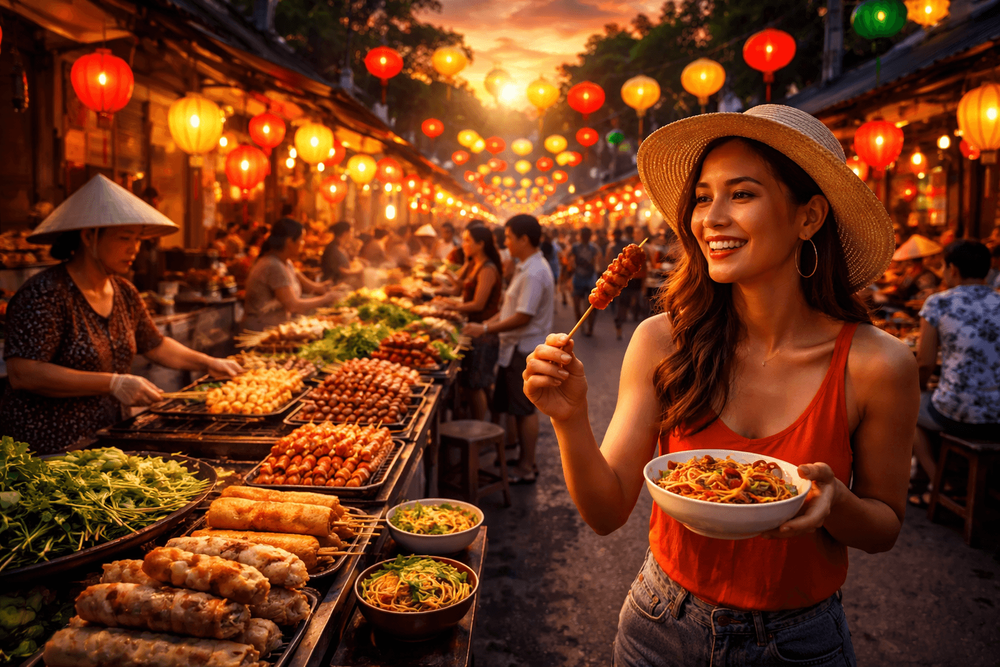
Bite-Sized Vietnam: Your Guide to Street Food Markets
From pre-dawn bowls in Hanoi to lantern-lit nights in Hoi An, this is your sensory roadmap to Vietnam’s street food markets—what to eat, where, and how.
Mood
Culinary Street Safari
At first light in Hanoi, the Long Bien Bridge casts an iron lattice over a river of motorbikes and woven baskets. Steam rises from pots of crab-tomato broth, the scent of dill and fried shallots drifting through the cool dawn. Bowls of noodles slide across aluminum tables, chopsticks click, and a vendor laughs over the sizzle of pork on charcoal. This is where the day begins in street food markets in Vietnam—among the bustle and perfume of herbs, the choreography of hawkers and hungry regulars.
The Cultural Heartbeat: Why Street Food Matters
Street food markets in Vietnam are more than cheap eats; they are public dining rooms, neighborhood newsstands, and living museums of flavor. Centuries of trade and migration shaped their menus: Chinese techniques, Cham and Khmer spices, and French colonial legacies meld with regional rice, fish, and seasonal herbs. Eating on the street is democratic—office workers share stools with students and grandmothers, negotiating space, gossip, and the last sprig of coriander.
Regional differences are striking:
- North (Hanoi and the Red River Delta): Broths tend to be clearer, seasoning restrained, letting rice and beef or chicken shine—think pho bac and bun thang. Charcoal grills perfume alleys with bun cha; dill brightens cha ca (turmeric fish), and beer foam spills from bia hoi corners.
- Central (Hue, Da Nang, Hoi An): Spice steps forward. Royal Hue refined small plates—banh beo and banh nam—while mi Quang and cao lau showcase chewy noodles, toasted rice crackers, and local greens. The coast brings mackerel soups, crisp banh xeo, and fish sauces with a marine backbone.
- South (Ho Chi Minh City and the Mekong): Palates skew sweeter and more herb-forward. Bowls brim with sprouts and basil, and street grills turn out bo la lot (betel-wrapped beef). Com tam (broken rice) glistens with pork and scallion oil; hu tieu and banh mi Saigon are late-night staples.
Seasonality quietly shapes what appears in bowls. Spring’s northern herbs; summer’s lychees from Bac Giang and central mango, jackfruit, and rambutan; autumn’s mooncakes and sticky rice desserts; winter crab for bun rieu. Monsoon evenings invite steaming chao (rice porridge) and che hot for warmth. Around Tet (Lunar New Year), banana leaves, pork, and mung beans become banh chung and banh tet; stalls brim with candied coconut and roasted watermelon seeds.
What to Eat: Signature Dishes, Portions and Prices
Street markets are the ideal tasting menu: small portions, quick turnover, and a culinary map of each city.
North and Hanoi Highlights
- Pho bac: Clear beef broth, thin noodles, scallion. 35,000–70,000 VND ($1.50–$3). Order tai (rare beef) or nam (brisket).
- Bun cha: Charcoal-grilled pork in a sweet-sour dip with herbs and rice noodles. 40,000–70,000 VND ($1.70–$3). Add fried spring rolls (nem).
- Cha ca: Turmeric fish with dill, sizzling tableside. In markets you’ll find single-portion plates for 60,000–90,000 VND ($2.50–$3.80).
- Banh cuon: Steamed rice sheets with minced pork and wood ear, dipped in nuoc cham. 25,000–40,000 VND ($1–$1.60).
Central Coast Staples (Hue, Da Nang, Hoi An)
- Bun bo Hue: Lemongrass-beef noodle soup with chili oil. 40,000–70,000 VND ($1.70–$3).
- Mi Quang: Turmeric-tinted noodles, herbs, peanuts, crackers. 30,000–60,000 VND ($1.30–$2.50).
- Cao lau (Hoi An): Thick noodles, greens, pork, cracklings. 40,000–70,000 VND ($1.70–$3). A Hoi An original.
- Banh xeo: Crisp rice crepes with shrimp/pork and herbs. 30,000–60,000 VND ($1.30–$2.50) per pancake.
- Banh beo/bot loc (Hue): Petite steamed rice cakes and translucent tapioca dumplings. 20,000–40,000 VND ($0.80–$1.60) per tray.
Southern Favorites (Ho Chi Minh City and Mekong)
- Com tam: Broken rice with grilled pork, pickles, egg. 35,000–60,000 VND ($1.50–$2.50).
- Banh mi Saigon: Airy baguette piled with pate, pork, herbs, pickles. 25,000–40,000 VND ($1–$1.60).
- Hu tieu: Chewy noodles in pork-seafood broth (dry or soup). 35,000–60,000 VND ($1.50–$2.50).
- Oc (snails and shellfish): Choose by the kilo; prices vary—expect 60,000–150,000 VND ($2.50–$6) for a shared plate.
- Goi cuon: Fresh rolls, 5,000–10,000 VND ($0.20–$0.40) each; perfect for grazing.
Sweet Finishes and Drinks
- Che: Layered puddings with beans, jelly, coconut. 15,000–30,000 VND ($0.60–$1.30).
- Ca phe sua da: Iced coffee with condensed milk. 15,000–30,000 VND ($0.60–$1.30).
- Nuoc mia (sugarcane juice): 10,000–20,000 VND ($0.40–$0.80), best with ice made from factory tubes.
How to Spot a Great Stall
- Follow the locals: a steady, mixed-age line signals trust.
- Turnover is king: small batches, constant cooking, no languishing trays.
- Specialization: a short menu focused on one or two dishes.
- Clean station: organized prep, stainless surfaces, raw and cooked items kept apart.
- Clear pricing: posted on signboards; transparent portions.
Where to Find the Best Street Food Markets in Vietnam
Time your appetite to the market’s rhythm: mornings for hawker action and fresh noodle soups; evenings for grills, desserts, and people-watching.
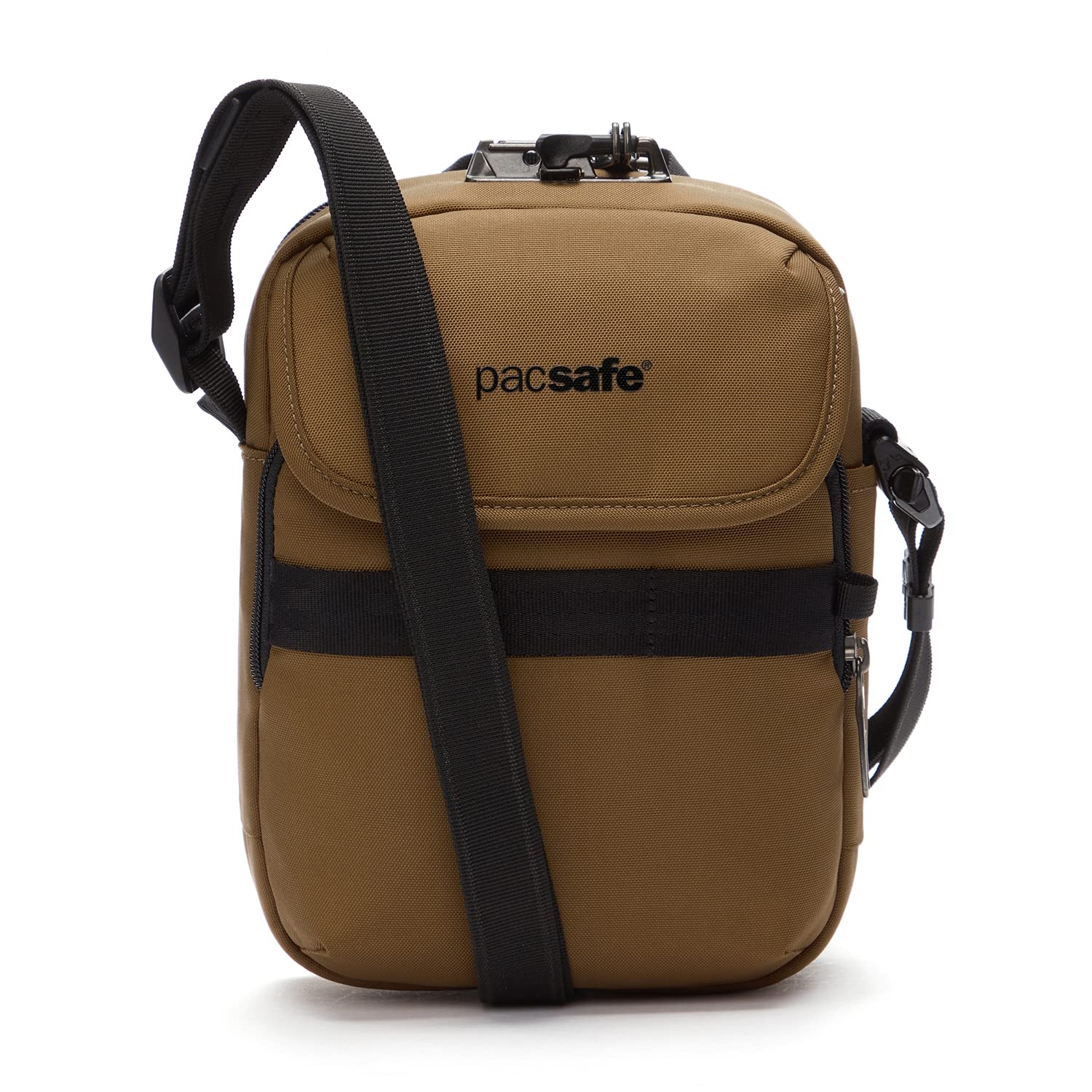
Pacsafe Metrosafe X Anti Theft Compact Crossbody - Fits 8" Tablet, Black : Clothing, Shoes & Jewelry
ANTI-THEFT - 2022 version in Tan colorway, <strong>Interlocking Zippers & Cut Proof Material (lightweight steel mesh) to prevent pickpocketing</strong>. RFID blocking pocket to keep credit cards/I
Check Price on Amazon
Amazon.com | DEVICO Travel Utensils, 18/8 Stainless Steel 4pcs Cutlery Set Portable Camp Reusable Flatware Silverware, Include Fork Spoon Chopsticks with Case (Black): Serving Sets
View on AmazonHanoi
- Dong Xuan Market and the surrounding alleys: A cathedral of produce and prepared foods; arrive 7–9 a.m. for bun rieu, bun cha, banh cuon. Friday–Sunday nights, the Old Quarter walking streets fill with snacks and music. Pair a market ramble with the city’s layered backstory in Historic Hanoi: Must‑See Sites, Stories & Smart Visitor Tips.
- Long Bien Wholesale Market (pre-dawn): 1–5 a.m., under the bridge. Vendors serve pho and sticky rice to porters—raw, real, unforgettable.
- Nghia Tan Night Food Street (Cau Giay): Teen-favorite stalls—snails, banh xeo, grilled skewers—from 6 p.m.
Where to stay: The Capella Hanoi stages old-world glamour near the Opera House, with a concierge who can plot a breakfast-to-bia-hoi crawl that nails every neighborhood classic.
Hue
- Dong Ba Market: A culinary atlas under one roof—banh beo, bun bo Hue, fermented shrimp condiments. Mornings 7–10 a.m. are best.
- Night market by the Perfume River: From dusk, families snack on grilled meats and che in lantern light. Weekends are busiest.
Da Nang
- Con Market (Cho Con): A labyrinth of snack stalls—mi Quang, banh xeo, avocado ice cream. Late morning into lunch is prime.
- Han Market: Produce and dried seafood plus light bites; swing by before a beach afternoon.
Hoi An
- Morning Market (by the river): Cao lau crafted in minutes; fruit boats bob just beyond. Go 6:30–9 a.m. before the tour buses.
- Nguyen Hoang Night Market: Lantern-lit, touristy but fun; hunt for grilled bananas in sticky rice and coconut.
Where to stay: The riverfront Anantara Hoi An Resort places travelers within strolling distance of morning noodle smoke and dusk-lit lanterns—request a balcony room for post-market siestas.
Ho Chi Minh City (Saigon)
- Ben Thanh and surrounding night stalls: After dark, the perimeter blooms with com tam, banh mi, and che. Expect crowds between 7–9 p.m.
- Vinh Khanh Street (District 4): The city’s snail central—oc stir-fried with garlic butter, lemongrass, or tamarind.
- Turtle Lake (Ho Con Rua, District 1): Teen hangout with banh trang nuong (grilled rice paper “pizza”), fish balls, and iced drinks—best from 7 p.m. onward.
- Cho Ba Chieu (Binh Thanh): Morning comfort food and sturdy bowls of hu tieu without the downtown crush.
Where to stay: The Park Hyatt Saigon anchors a refined base near District 1’s food lanes, its concierge deftly pairing neighborhood stalls with late-night jazz.
Beyond the Big Three
- Can Tho’s Cai Rang Floating Market: Bowl-to-boat breakfast—hu tieu and pineapple carved like flowers. Arrive by boat at 6–8 a.m. for peak trade.
- Phu Quoc Night Market: Skewers of squid, sea urchin with scallion oil, coconut ice cream served in shells. Livelier after 7 p.m.
- Nha Trang’s Xom Moi Market: Morning seafood soups—bun ca and jellyfish noodles—followed by a beach dip.
Navigating crowds and payments:
- Cash rules: Keep small notes (10,000–50,000 VND). QR codes and e-wallets (MoMo, ZaloPay) pop up in cities, but not everywhere.
- Peak times: Mornings 7–9 a.m.; evenings 6–9 p.m. For elbow room, come just after opening or near closing.
- Micro-mobility: Watch for motorbikes threading aisles; walk single-file, keep bags zipped in front.
For lower-impact eating, refill bottles at your hotel and bring a travel set (chopsticks, spoon). More ideas in Sustainable Travel Options in Vietnam: Eco Transport, Community Stays & Responsible Tours.
Staying Safe and Satisfied: Health, Dietary and Accessibility Tips
Eating well on the street comes down to sensible choices and clear communication.

Lonely Planet Vietnamese Phrasebook & Dictionary: Planet, Lonely
The Perfect Choice:Lonely Planet's Vietnamese Phrasebook and Dictionary, <strong>a pocket-sized comprehensive language guide</strong>, provides on-the-go language assistance; great for language s
Check Price on AmazonSafe-eating signals:
- Look for high turnover, hot food made to order, and factory-made ice (hollow cylinders).
- Favor peeled or cooked-to-order fruit; steer clear of pre-washed salads if unsure.
- Separate cash handler: If one person cooks and another takes money, hygiene usually improves.
Water and ice:
- Tap water isn’t for drinking. Choose sealed bottles or refill from filtered dispensers.
- Iced coffee and che are generally fine if the ice is the clear, tubular kind from commercial blocks.
Allergies and dietary needs:
- Carry a card with allergies in Vietnamese; confirm “co/khong” (yes/no) while pointing to the card.
- Common phrases:
- Toi di ung dau phong: I’m allergic to peanuts.
- Khong nuoc mam/khong mam tom: No fish sauce/no shrimp paste.
- Khong sua: No dairy.
- Khong ot: No chili.
- Vegetarian/vegan: Say “an chay” (vegetarian) or “khong thit/khong hai san” (no meat/no seafood). In central and southern cities, look for “quan chay” stalls; pho chay, com chay, and banh mi op la (eggs) are common.
- Halal: Options cluster in Ho Chi Minh City’s District 1 and 5; many Malaysian and Indian Muslim kitchens are market-adjacent. Street cross-contamination with fish sauce is common—ask “khong nuoc mam, khong thit heo” (no fish sauce, no pork) and verify cooking oil.
Accessibility and comfort:
- Seating is often on low stools with tight aisles. If needed, ask “ghe cao duoc khong?” (a higher chair?). Many markets have nearby cafes with normal chairs—buy a drink and bring in your food if allowed.
- Surfaces can be uneven; bring closed shoes and a foldable cane or trekking pole if balance is a concern.
- Sensory relief: Duck into covered produce halls during rain or heat; carry wipes and sanitizer for a quick reset.
Health prep: Routine travelers often get Hep A and typhoid shots for street eating; consult a clinic before you go. See guidance in Vaccinations for Southeast Asia: What You Need Before You Travel.
Market Etiquette and Immersive Experiences
Ordering and paying:
- Point, smile, and order by dish name or ingredient. Hand over small notes; most stalls don’t split large bills.
- Share tables, slurp freely, and return bowls to the counter when finished.
- Tipping isn’t expected; rounding up the bill is appreciated for exceptional service.
Language cheat sheet:
- Cho nao ngon? Where is tasty?
- Mot to pho/banh mi/mi Quang, lam on. One bowl/sandwich/mi Quang, please.
- Bao nhieu tien? How much?
- Nua khau phan/it bun/it ot. Half portion/less noodles/less chili.
- Cam on. Thank you.
Photography etiquette:
- Ask with a smile and raised eyebrow; a nod or wave means yes.
- Keep clear of the cooking area; don’t hover where money changes hands.
- Offer to share a shot on the vendor’s phone—it turns a lens into a moment.
Tours and classes:
- Market-based tasting tours unlock family-run stalls and micro-regional dishes travelers might miss, from Hue’s tiny banh ram it to Saigon’s Chinese-Vietnamese dim sum corners. Consider joining experiences curated for culture-forward travelers in Immersive Cultural Tours in Vietnam: Authentic Homestays, Festivals & Local Traditions.
- Cooking classes often begin with a market shop, decoding herbs and fish sauces before a hands-on lunch—particularly good in Hoi An and Hue.
Finally, pace yourself. Markets reward curiosity and restraint: two or three stalls per session, then a stroll to let the flavors settle before round two.
As dusk falls over Saigon, coconut smoke loosens into the air, and the chatter swells to a street-corner symphony. In Hanoi, lanterns wink on above piles of starfruit and mint. Across the country, street food markets in Vietnam offer a moving feast—part theater, part history lesson, wholly delicious—waiting at the next corner for anyone willing to pull up a plastic stool and taste.
Recommended Travel Gear
Lonely Planet Vietnamese Phrasebook & Dictionary: Planet, Lonely
The Perfect Choice:Lonely Planet's Vietnamese Phrasebook and Dictionary, <strong>a pocket-sized comprehensive language guide</strong>, provides on-the-go language assistance; great for language s
Amazon.com | DEVICO Travel Utensils, 18/8 Stainless Steel 4pcs Cutlery Set Portable Camp Reusable Flatware Silverware, Include Fork Spoon Chopsticks with Case (Black): Serving Sets
DEVICO Travel Utensils with Case Cute, Reusable Silverware for Lunch, Portable Cutlery Set, <strong>18/8 Stainless Steel Fork Spoon Chopsticks in Cartoon Case, Dishwasher Safe (Black)</strong>
Pacsafe Metrosafe X Anti Theft Compact Crossbody - Fits 8" Tablet, Black : Clothing, Shoes & Jewelry
ANTI-THEFT - 2022 version in Tan colorway, <strong>Interlocking Zippers & Cut Proof Material (lightweight steel mesh) to prevent pickpocketing</strong>. RFID blocking pocket to keep credit cards/I