
Stay Different: Bolivia’s Most Unique Hostels for Adventure & Culture
Salt-brick bunks, colonial courtyards, treehouse cabins—discover Bolivia’s most distinctive hostels, how much they cost, and how to plan the adventure.
Mood
Budget Adventure
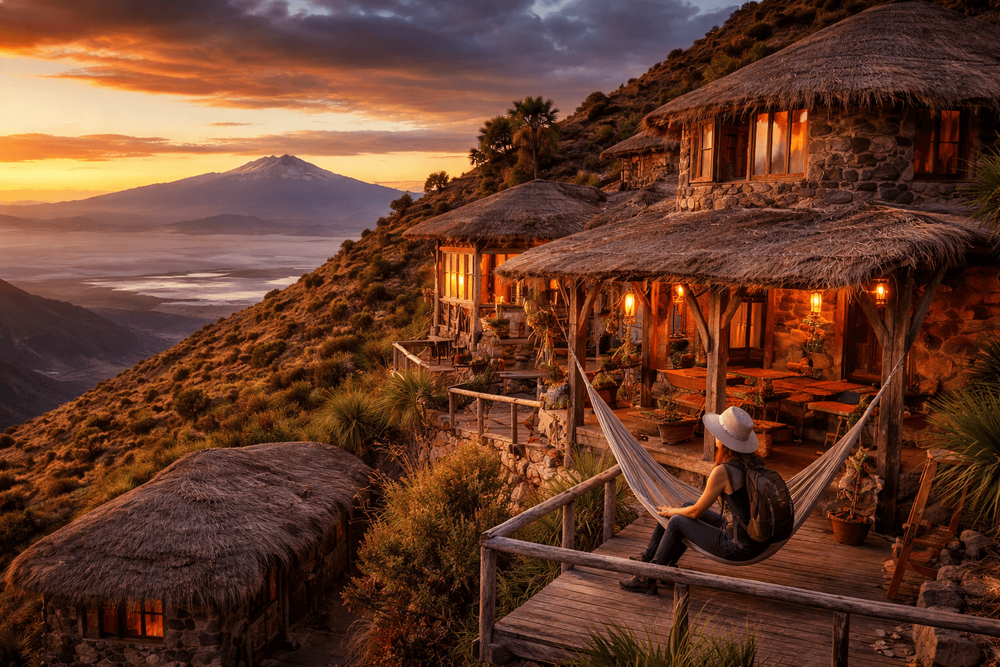
When dawn lifts over the Altiplano, the salt flats glow pearly pink and a kettle hisses in a common kitchen, steam curling like a prayer against the chill. This is the Bolivia of backpacker dreams and deep cultural texture, and the best way to feel it is by checking into the most unique hostels in Bolivia—places carved from salt, tucked inside 18th‑century courtyards, perched above Lake Titicaca’s terraces, or slung high in the Amazon canopy.
Unique Hostels in Bolivia: Region-by-Region Standouts

Lonely Planet Bolivia (Travel Guide): Albiston, Isabel, Grosberg, Michael, Johanson, Mark
Lonely Planet's Boliviais <strong>your passport to the most relevant, up-to-date advice on what to see and skip, and what hidden discoveries await you</strong>. Explore the world's largest s
Check Price on AmazonLa Paz: High-Altitude Design, Rooftops and Cable-Car Views
La Paz cascades down a canyon at roughly 3,600 meters, a city of ochre cliffs and electric teleféricos tracing the sky. Hostels here mirror the city’s energy—mural-splashed stairwells, rooftop fire pits where travelers swap trek stories, and lounges woven with Andean textiles.
- What makes it unique: Rooftops with views across the bowl of the city to Illimani; neighborhoods like bohemian Sopocachi and artsy San Pedro place guests near cafes, craft markets, and cable-car stations.
- Best for: Backpackers and urban explorers; digital nomads who appreciate city energy and café culture.
- Rates: Expect about US$9–18 for dorms; US$22–40 for privates depending on location and altitude comforts (heat matters).
- Need to know: Evenings are cold year-round; check for heaters in privates. Build in a day for altitude acclimatization before big hikes. La Paz’s teleférico network makes neighborhood hopping easy, and long-distance buses and domestic flights connect to Uyuni, Sucre, Rurrenabaque, and beyond.
Insider detail: Sopocachi hostels often double as cultural salons, hosting film nights, vinyl-listening sessions, and pop-up dinners that introduce seasonal Andean ingredients.
Uyuni & The Salt Flats: Sleep in Salt, Wake to a White Horizon
On the edge of the Salar, hostels built from compacted salt blocks sparkle in the dry morning light. Floors may crunch like snow, walls give off a faint mineral cool, and on clear nights the sky dazzles.

Anker USB C Power Bank, PowerCore Essential 20000 PD (18W) Power Bank, High Cell Capacity 20000mAh Portable Charger Battery Pack for iPhone 12/Mini/Pro/Max Pro/11/X, Samsung (PD Charger Not Included) : Cell Phones & Accessories
View on Amazon- What makes it unique: Salt-brick bunks, candlelit courtyards, stargazing decks, and tour desks that can slot guests onto sunrise or multi-day 4x4 expeditions.
- Best for: Adventurers chasing mirror-season reflections (generally Jan–Apr, weather dependent) or crystalline dry-season vistas (roughly May–Oct), photographers, and small groups.
- Rates: Roughly US$12–22 for simple dorms; US$30–50 for salt-walled privates. Remote properties may charge for hot showers and heating.
- Need to know: Nights are freezing on the Altiplano—pack thermal layers. Power can be intermittent; charge gear when you can. Arrange luggage storage in town if heading out on a 3‑day tour.
Sucre: Colonial Courtyards and Slow-Morning Sunshine
At about 2,800 meters, Sucre’s whitewashed facades and jacaranda-lined plazas make a gentler landing than the highest cities. Hostels tuck into 18th- and 19th-century mansions, their courtyards dappled with light and the smell of strong coffee drifting under arcades.
- What makes it unique: Restored colonial bones, rooftop views over terracotta roofs, Spanish schools on-site or next door, and communal kitchens built for long, lazy breakfasts.
- Best for: Digital nomads, slow travelers, couples, and anyone craving a cultural deep-dive without the altitude hit of La Paz or Potosí.
- Rates: About US$8–16 for dorms; US$20–35 for privates in heritage buildings.
- Need to know: Evenings can be cool, but days are temperate much of the year. Sucre is a transport hub for buses to Potosí, Uyuni, and Cochabamba; the airport connects to La Paz and Santa Cruz.
Lake Titicaca: Terraced Hostels and Aymara Hospitality
On Copacabana’s bay and the stepped hills of Isla del Sol and Isla de la Luna, hostels are woven into the rhythm of the lake. The air smells of eucalyptus and woodsmoke, and dawn throws a ribbon of gold over ancient terraces.
- What makes it unique: Community-run lodgings with stone-and-adobe rooms, cliffside hammocks, and dining rooms serving trout fresh from the lake. On Isla del Sol, no cars—just stone paths and the soft bell of grazing sheep.
- Best for: Culture-seekers and contemplative couples; families who want fresh air and easy hikes.
- Rates: US$10–18 for dorms; US$20–40 for privates, slightly higher on the islands where everything is hand-carried up the slopes.
- Need to know: Altitude here hovers around 3,800 meters. Pack cash—ATMs can be unreliable—and expect spotty wifi on the islands. Ferries to Isla del Sol leave from Copacabana; schedules and community access can change with local conditions, so check ahead.
Good to know: Many island hostels reinvest in terracing projects and potable water systems; ask how your stay supports the community.
Amazon/Beni (Rurrenabaque & Madidi): Treehouse Dreams and River Quiet
Drop from the Andes to the Bolivian Amazon and the air turns lush, cicadas dialing the volume up at dusk. Around Rurrenabaque, eco‑hostels perch on riverbanks or rise on stilts in palm groves, with canopy walkways linking cottages.

Sawyer Products SP5622 Picaridin Insect Repellent Lotion, 20% Picaridin, 2-Ounce, Twin Pack
View on Amazon- What makes it unique: Treehouse-style bunks, thatch-roofed commons, river swims at noon, and guided dawn paddles when macaws ignite the sky.
- Best for: Wildlife lovers, photographers, and travelers keen on slow, nature-forward days.
- Rates: US$15–30 for dorms; US$35–60 for privates in stilted cabins. Many include breakfast and coordinate transfers by boat.
- Need to know: Heat and humidity are constant; wifi is often limited or nonexistent—part of the charm. Rurrenabaque is reached by short domestic flights or a long overland day from La Paz.
Potosí: Silver-Era Grandeur, Hot Springs Access
At over 4,000 meters, Potosí’s thin blue air wraps historic streets that once bankrolled empires. Hostels here often occupy antique houses with creaking stairs and enclosed patios warmed by the afternoon sun.
- What makes it unique: Heritage details—polished wood balustrades, thick adobe walls, heavy doors—and, just outside town, day trips to thermal pools that locals have bathed in for generations; simple stays operate near some pools.
- Best for: History buffs and hardy high-altitude travelers; those curious about Andean mining legacies.
- Rates: US$9–15 for dorms; US$22–38 for privates in period buildings.
- Need to know: Cold nights are a given; ask about extra blankets and hot water hours. If considering mine-related excursions, research ethical options or choose museum visits that contextualize history without entering active shafts.
Practicalities: Prices, Amenities and Access
Unique hostels in Bolivia skew affordable, with character as the dividend. What to expect across regions:
- Price ranges: Dorm beds generally US$8–22; privates US$20–50 in cities and US$30–60 in remote or specialty stays (salt flats, Amazon). Actual prices vary by season and demand.
- Amenities: Most provide free wifi (stronger in cities), basic kitchens, lockers, and simple breakfasts (bread, eggs, fruit, coca or muña tea). In the Altiplano, confirm heating and hot showers; in the Amazon, expect fans and mosquito nets.
- Workability: Sucre and La Paz suit remote workers thanks to better connectivity; the Amazon and islands are for digital detox.
- Payments: Cash is common beyond major cities; some hostels accept cards with a surcharge. ATMs are widespread in La Paz and Sucre; patchier in Uyuni, Copacabana, and Rurrenabaque.
- Transport: Bolivia’s bus network reaches nearly everywhere; premium night buses are more comfortable on longer, high-altitude routes. Domestic flights connect key hubs; airport shuttles and taxis are straightforward. In La Paz, the teleférico is the quickest, most scenic commute.
- Altitude and climate: Highland areas (La Paz, Uyuni, Potosí, Titicaca) are cool year-round with intense sun by day and near-freezing nights—layer strategically. Sucre is milder; the Amazon is hot, humid, and rainy at times.
If you’re mapping a tight backpacker route or weighing bus vs. flight logistics, see our guide to Backpacking Bolivia: Essential Tips for Safe, Affordable, and Authentic Travel.
Local Immersion: Experiences That Start at the Hostel Door
The right hostel amplifies place. Look for boards by reception, where staff post weekly happenings and excursions:
- La Paz: Free walking tours of the historic center and the Witches’ Market; evening rides on the purple teleférico to El Alto for sweeping night views; Andean cooking classes and neighborhood food crawls.
- Uyuni: Sunrise trips to cactus-studded Isla Incahuasi; stargazing outings framed by salt horizons; multi-day 4x4 loops through red and green lagoons, flamingo basins, and geyser fields.
- Sucre: Plaza-side language exchanges; market tours followed by rooftop cooking sessions; day trips to dinosaur tracks and textile cooperatives in nearby villages.
- Lake Titicaca: Guided hikes linking pre-Inca ruins; trout lunches on family terraces; boat trips to Isla de la Luna with community craft demonstrations.
- Amazon/Beni: Dawn canoe safaris for capybaras and caimans; evening river drifts beneath galaxies; medicinal plant walks led by Indigenous guides.
- Potosí: Heritage walks through baroque churches and mint courtyards; soaks at nearby thermal pools after a day in thin air.
For deeper cultural engagement—from indigenous festivals to community-run workshops—our primer on Authentic Cultural Tours in Bolivia: Indigenous Traditions, Festivals & Community Immersion outlines respectful ways to connect.
Hungry between excursions? Point your compass to the markets; Bolivia’s produce aisles and comedor stalls are masterclasses in flavor and hospitality. Bookmark our guide, Bite into Bolivia: A Local’s Guide to the Best Food Markets, to find the stalls where soups steam and salteñas gleam.
Insider Planning and Safety Notes
Best seasons by region:
- Uyuni: May–Oct for crisp, dry horizons; Jan–Apr for mirror-season reflections (weather and access vary by year). Nights are cold throughout.
- La Paz & Potosí: Drier months (Apr–Oct) bring bright skies and chilly nights; Nov–Mar is wetter but greener.
- Sucre: Pleasant much of the year; rains tend to peak Dec–Feb.
- Lake Titicaca: Clear light in the dry season; colder winds on ferries—bring a windbreaker.
- Amazon/Beni: Wildlife is good year‑round; rain increases roughly Dec–Mar, making trails muddy and rivers higher.
Combining stays into an itinerary:
- Ten days: La Paz (2) → Uyuni salt flats (3 with a tour) → Sucre (3) → Lake Titicaca (2).
- Two weeks+: Add Potosí (1–2) for history and Rurrenabaque/Madidi (3–4) for the jungle. Many travelers loop back to La Paz for flights.
Booking tips:
- Reserve Uyuni salt hostels and Isla del Sol rooms in advance during holidays and the dry peak (Jun–Aug). In shoulder seasons, unique properties with limited rooms still fill quickly.
- Ask about hot water hours, heating, and electricity reliability before committing at altitude.
- In the Amazon, coordinate arrivals with your hostel; boat transfers may have fixed departure windows.
Room-type recommendations:
- Dorms: Great for solo travelers and budget duos; request lower bunks at altitude to avoid drafts from old windows.
- Privates: Worth the splurge in cold highland cities for heavier bedding and heaters. Couples and light sleepers will appreciate the quiet.
- Family rooms: Increasingly common around Sucre and Copacabana; check for cribs and kitchen access.
Support local hosts respectfully:
- Bring small bills to pay in cash and tip housekeepers.
- Buy breakfast or dinner in-house when offered; it stabilizes income for family-run stays.
- Ask about community or sustainability initiatives—many hostels fund water filters, reforestation, or school supplies.
- Minimize plastic by refilling bottles at filtered-water stations; carry out trash from fragile environments like the Salar.
Safety and health:
- Altitude: Ascend gradually if possible; hydrate, go easy on day one, and consider coca or muña tea for comfort. Seek medical advice in advance if concerned.
- Cold and sun: Nights bite on the Altiplano; mornings blaze with UV. Pack layers, sunscreen, and a beanie.
- Insects: In the Amazon, long sleeves, repellent, and light trousers are essential at dawn/dusk.
- Transport: Night buses are efficient; choose reputable companies and seats you’re comfortable with on winding, high routes.
- Ethics in Potosí: If learning about mining, prioritize tours or museums that center worker safety and historical context rather than active shaft visits.
If hostels are full—or you want a quieter private base between shared-stay adventures—our roundup of Best Budget Hotels in Bolivia: Affordable Stays in La Paz, Uyuni & Beyond highlights reliable, good-value alternatives.
Why This Guide—and How to Use It
Search for unique hostels in Bolivia and the results often split: general “best hostels” lists focused on other countries, or Bolivia hotel guides that skip dorm culture altogether. This piece bridges the gap with regional nuance, price expectations, and on-the-ground advice—so you can match mood, altitude tolerance, and travel style to the right bed.
The final image to carry home? Perhaps a salt-crunch step toward a horizon blurred to silver, or the hush before a jungle dawn breaks open, or the quiet of a Sucre courtyard as a moka pot sputters. In Bolivia’s most distinctive hostels, the roof over your head becomes part of the story you came to write.
Recommended Travel Gear
Lonely Planet Bolivia (Travel Guide): Albiston, Isabel, Grosberg, Michael, Johanson, Mark
Lonely Planet's Boliviais <strong>your passport to the most relevant, up-to-date advice on what to see and skip, and what hidden discoveries await you</strong>. Explore the world's largest s
Anker USB C Power Bank, PowerCore Essential 20000 PD (18W) Power Bank, High Cell Capacity 20000mAh Portable Charger Battery Pack for iPhone 12/Mini/Pro/Max Pro/11/X, Samsung (PD Charger Not Included) : Cell Phones & Accessories
Anker USB C Power Bank, PowerCore Essential 20000 PD (18W) Power Bank, <strong>High Cell Capacity 20000mAh Portable Charger Battery Pack for iPhone 12/Mini/Pro/Max Pro/11/X, Samsung (PD Charger Not In
Sawyer Products SP5622 Picaridin Insect Repellent Lotion, 20% Picaridin, 2-Ounce, Twin Pack
Sawyer 20% Picaridin topical spray is <strong>effective for up to 12 hours against mosquitoes and ticks (14 hours for the lotion),</strong> and the spray and lotion provide up to 8 hours of protection