
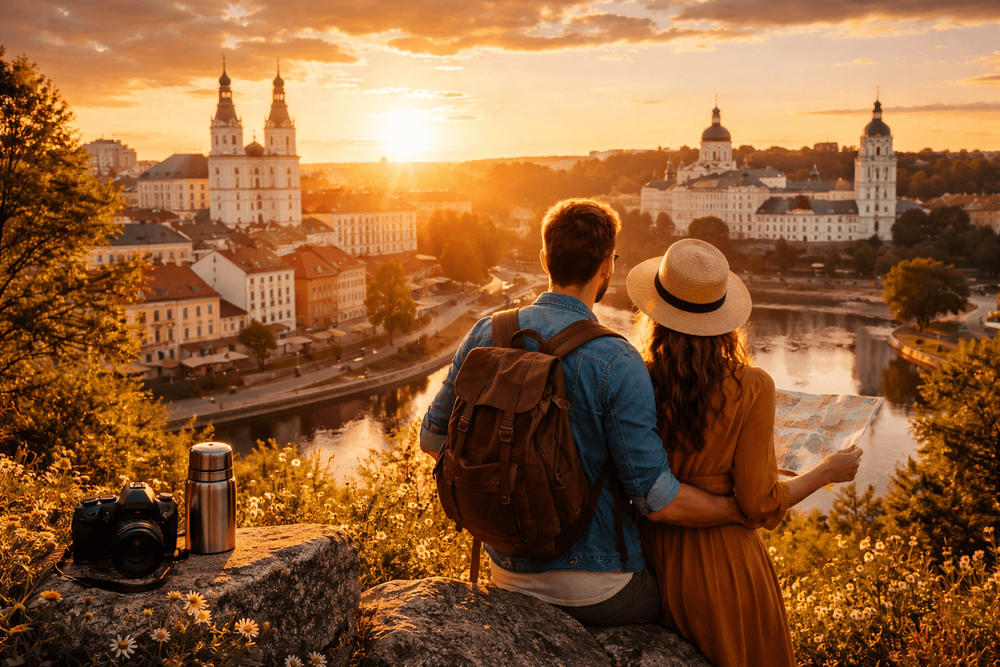
Belarus on a Budget: Smart Money-Saving Tips for Travelers
Stretch your BYN further. From overland routes and regional trains to canteen lunches, smart stays, and free city strolls, this guide makes Belarus affordable.
Mood
Budget Adventure
meta-title: Budget Travel Tips for Belarus: 2026 Guide meta-description: Budget travel tips for Belarus on transport, stays, food, and visas—updated March 2026 with price ranges, routes, and money‑savvy tactics. last-verified: March 2026
A dawn chill hangs over Minsk as the first metro hums below Independence Avenue, its carriages gliding into tiled stations the color of cream and amber. Bakers lift trays of black bread into street-facing windows, and a tram’s bell clips through the crisp air. It’s a capital that still rewards the careful traveler—the kind who times their steps, counts their coins, and knows that the best budget travel tips for Belarus begin with moving like a local.
Note on accuracy and currency: Transport, prices, and entry rules can change quickly. Unless otherwise noted, ranges and observations reflect traveler reports and official notices reviewed as of March 2026—recheck details before you go.
Budget Travel Tips for Belarus: Getting In and Getting Around
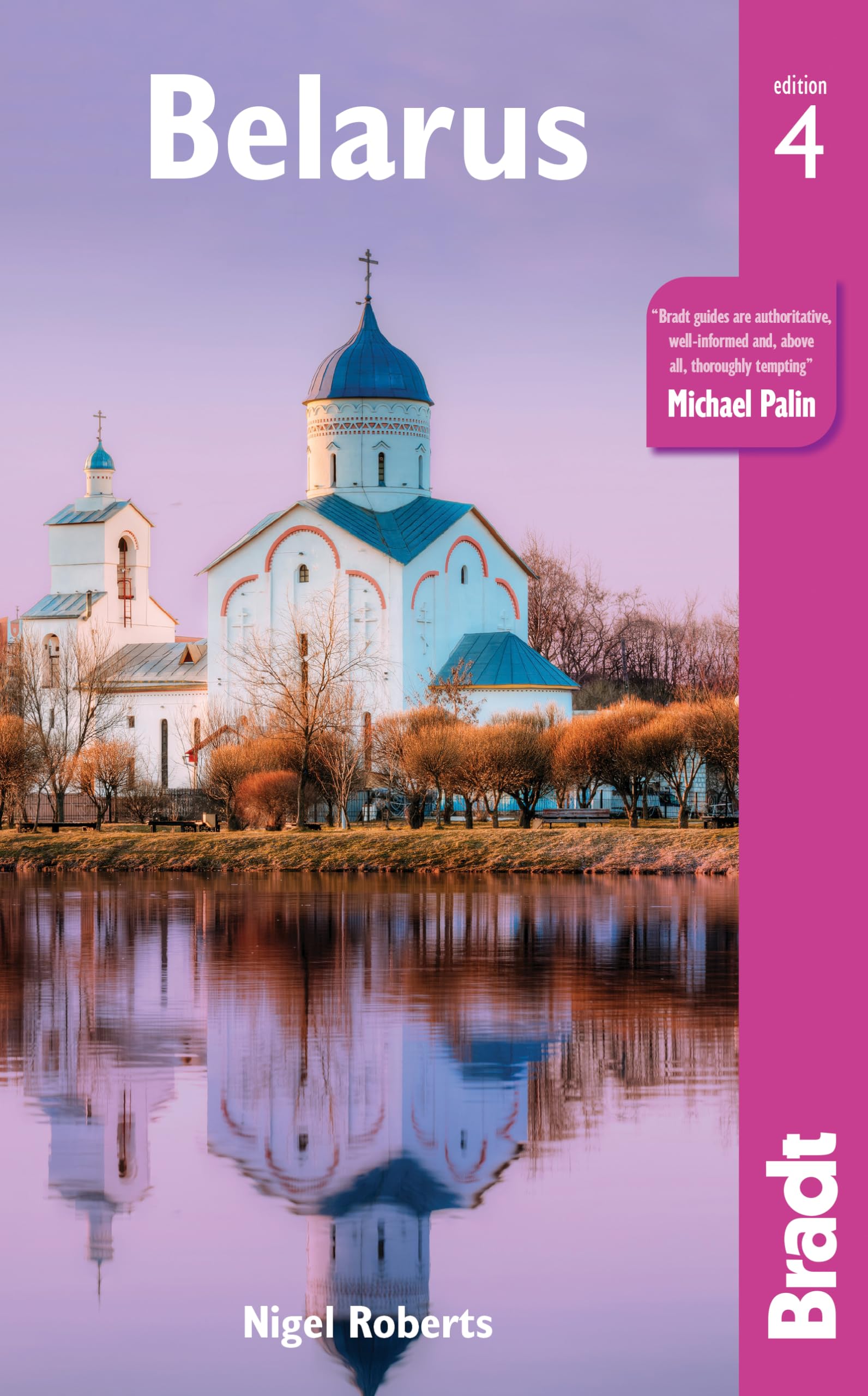
Bradt Belarus (Bradt Travel Guides): Roberts, Nigel
Dass auch die Darstellung der Geschichte von Belarus reichlich holzschnittartig und angelesen daherkommt, fällt gegenüber weniger ins Gewicht. So ist dem sympathischen Autor Nigel Roberts für die näch
Check Price on AmazonSmart entry routes and border realities
- Overland can be the cheapest. Long-distance buses from regional hubs—Warsaw, Vilnius, and Riga—often undercut flights to Minsk when booked ahead. Seasonal demand and geopolitics can affect schedules and border formalities, so verify current routes, ticketing, and entry requirements with operators and official sites before you commit (as of March 2026).
- Trains, when running, offer comfort and predictable costs. Regional services have historically linked Belarus with neighboring countries, but availability and frequency vary; cross-border routes are especially changeable. Check timetables with Belarusian Railways (BCh) and neighboring rail operators close to your dates (ideally within a week of travel).
- Flights to nearby gateway cities can save money. Low fares to Vilnius, Warsaw, or Riga plus a cross-border bus may be cheaper than flying directly to Minsk. Balance the fare with visa rules, transit times, and late-night arrivals that might require taxis.
Visa and entry regimes for Belarus change. Some nationalities benefit from visa-free access under specific conditions (often tied to arrivals via Minsk National Airport), while others use regional visa-free zones or e‑visas. Because policies have shifted repeatedly in recent years, confirm your options with official government sources and your airline or bus operator before purchase (last checked March 2026).
Airport transfers that don’t drain your budget
- Minsk National Airport to city: As of early 2026, airport express buses and marshrutkas link the terminals with major stations and the Uruchcha (Uručča) metro area; signage or schedules may reference an express line commonly labeled 300E/300Э. These options typically cost a small fraction of a taxi and run throughout the day and into the evening. For late‑night arrivals, service thins—plan on a ride‑hailing car or prebooked transfer.
- Taxis and ride‑hailing: Use vetted apps with upfront pricing rather than accepting offers in the arrivals hall. Confirm the fare in‑app, match the license plate, and use card payment in‑app where supported; carry cash only as a backup.
Domestic movement: reliable, low‑cost, and scenic
- Trains are the backbone. Belarusian Railways (BCh) runs a network of regional elektrichka services and longer‑distance trains. Regional trains are usually the lowest‑cost option for short hops; reserved long‑distance cars add comfort at moderate fares. Buy online (where available) or at station kiosks—have your passport handy. Check current timetables and prices a few days before departure (as of March 2026).
- Intercity buses and marshrutkas (minibuses) reach where trains don’t. They can be the fastest links between smaller towns and suburbs. Fares are generally modest; luggage often rides underneath; cash remains common onboard.
- Urban transport is a bargain. The Minsk Metro, plus trams, trolleybuses, and buses in major cities, make cross‑town travel easy. As of March 2026, single rides typically price in the low single‑digit BYN range; day or multi‑ride passes can save money if you’ll make several hops.
A careful word on hitchhiking and carshares
Hitchhiking has local precedent but sometimes functions semi‑formally—some drivers may expect a small contribution. If attempting it, travel by daylight, stick to well‑trafficked roads, agree on any contribution before entering, and share your live location with someone you trust. Carpool and ride‑share groups exist on regional platforms; confirm the price and pickup point in writing and keep your passport secure.
Sleep Well for Less: Budget Stays and Booking Tactics
Where value lives: hostels, guesthouses, agrousadby
- Hostels in Minsk, Brest, Grodno, and Vitebsk offer reliable value, with lockers, shared kitchens, and central or transit‑linked locations that cut transport costs. For curated options and neighborhood context, see the guide to the Best Hostels in Belarus: Top Picks, Practical Tips, and Local Experiences.
- Family‑run guesthouses and homestays trade polish for hospitality—think hearty breakfasts and insider suggestions. Expect straightforward rooms and warm hosts more than hotel‑style amenities.
- Agrousadby (rural farm stays) provide a quiet counterpoint to city days. They’re often simple, heated, and set near lakes or birch groves; shared saunas and small piers feel like luxuries at countryside prices.

Pacsafe Prosafe 1000 Combination Lock with Steel Cable, Black
View on AmazonBooking smarter, not pricier
- Travel off‑peak. Late autumn and deep winter tend to see lower rates, while shoulder seasons (April–May and September–October) pair milder weather with deals. For a climate‑and‑cost overview to time your trip, consult When to Visit Belarus: Best Months for Weather, Wildlife, Festivals & Low‑Season Travel.
- Reserve cancellable rooms early, then re‑check rates the week before travel; many small properties adjust prices late. Calling or messaging directly—politely and in simple English or Russian—can surface unadvertised discounts, especially for stays of three nights or more.
- Consider location. A room steps from a metro or tram stop can offset a slightly higher nightly rate by eliminating taxis and long transfers.
Editorially picked budget‑friendly stays
To protect factual accuracy and avoid promoting unverified listings, the following are illustrative examples—patterns to look for rather than endorsements of specific properties (names and URLs intentionally omitted; verify details before booking):
- Grodno old‑town townhouse: A small 19th‑century townhouse guesthouse just off a pedestrian street, with creaky parquet and compact private rooms. Book weekday nights outside festival periods for the best value.
- Braslaw Lakes cottage: A basic lakeside cottage with a shared sauna and a simple dock—ideal if you self‑cater and rent bikes locally. Prices dip midweek and outside peak summer.
- Minsk tram‑side hostel: A clean, centrally located hostel near a leafy park and a tram or metro stop. Look for free luggage storage and a guest kitchen to stretch your budget.
If you prefer named, vetted places, use major booking platforms’ filters (price, kitchen access, transit proximity) and cross‑check recent guest photos and reviews (focus on entries from late 2025 onward).
Eat Well on a Shoestring: Everyday Money‑Savers
Cafeterias, canteens, and markets
Belarusian cooking is generous and unfussy—perfect for travelers stretching BYN.
- Stolovayas (canteens) serve rotating trays of soups, cutlets, and kasha; as of March 2026, travelers report full weekday lunches (soup, a main like draniki or cutlets, a salad, and kompot) typically in the single‑ to low double‑digit BYN range.
- Modest cafes keep prices reasonable if you step a street or two beyond main squares; watch for weekday “business lunch” sets with fixed pricing.
- Markets are the thrifty heart of eating. In Minsk, the central covered markets brim with dill‑fragrant cucumbers, honey, smoked fish, and berries; in Brest and Vitebsk, market halls deliver cheese, cured meats, and seasonal produce for picnic spreads. Bring small bills and your own bag.
For detailed neighborhood picks and price benchmarks across the country, bookmark Budget Bites in Belarus: Where to Eat Cheap and Eat Well.
Self‑catering that actually saves
- Book lodgings with a kitchen. Major supermarkets in cities carry wide selections; house‑brand staples, kefir, buckwheat, and frozen pelmeni keep costs down without sacrificing flavor.
- Breakfast in, lunch out, supper simple. A routine of market fruit and yogurt for breakfast, canteen lunch, and a light, home‑cooked dinner is one of the most effective budget travel tips for Belarus.
- Coffee and water. Espresso kiosks and small cafes pour strong, budget‑friendly cups. Tap water in major cities is generally treated; many locals prefer filtered. Carry a refillable bottle and top up at your stay.
Price snapshots (ranges; last checked March 2026)
- Urban transit ride: typically low single‑digit BYN
- Metro day/multi‑ride passes: priced to favor frequent riders; check kiosks for current offers
- Canteen lunch: single‑ to low double‑digit BYN, depending on portions and add‑ons
- Intercity train (100–150 km): modest in regional class; verify on BCh for exact fares
- Hostel bunk in big cities: among the lower brackets for European capitals; varies widely by season and event dates
Expect prices to vary by city and with inflation. Paying in BYN by card or contactless where accepted often yields a good rate; always compare your bank’s fees.
Avoiding markups and negotiating small purchases
- Taxis: use apps with upfront pricing; avoid cash‑only drivers at stations.
- Menus: ask for the full menu with prices before ordering; avoid “specials” not listed unless a price is stated.
- Markets: a smile and a polite counteroffer work for fresh produce; for packaged goods and most stalls, posted prices are firm.
Free and Low‑Cost Experiences Across Belarus
City walks that cost nothing and give everything
- Minsk’s river loop: Follow the Svislach embankments through Victory Park, where birch leaves shimmer, paddleboats nudge the docks, and summer often brings open‑air gatherings.
- Trinity Hill and the island vistas: Cobbles, church bells, and the bronze “Island of Tears” memorial create a reflective hour at sunset.
- Brest’s twilight ritual: Watch the ceremonial guards at the eternal flame near Brest Fortress, then wander Sovetskaya Street for buskers and café terraces.
- Grodno’s old town: Baroque façades, historic synagogues, and side streets where time seems to slow.
Tip‑based walking tours operate intermittently—check schedules a day ahead and carry small BYN notes for gratuities (as of March 2026).
Nature for the price of a bus ticket
- Belovezhskaya Pushcha National Park offers ancient forest lanes and the chance—if you’re lucky—to spot bison from a distance. Entry fees are typically reasonable by regional standards; in season, bike rentals are available in or near main entrances. Confirm current access, prices, and rental options before you go.
- Braslaw Lakes rewards early risers with mirror‑still mornings; camping or a basic cottage keeps costs minimal if you self‑cater.
- Near Minsk, Loshitsa Park and the Botanical Garden offer generous green space for picnics and photos without straining the budget.
Museums and culture on a budget
Many state museums advertise occasional free or reduced‑fee days. Smaller provincial museums often charge only a handful of BYN. Aim for weekday afternoons to avoid groups, and ask about combined tickets for adjacent sites. Check each museum’s official page the week of your visit (last checked March 2026).
For ideas that pair wallet‑friendly stops with unmissable icons, the roundup of Top Attractions in Belarus — Must‑See Sights & Unique Experiences helps prioritize days without overspending.
Seasonal timing that trims costs
Festival periods like Vitebsk’s Slavianski Bazaar push up accommodation prices; arrive on the shoulders—often two days after—to catch the residual atmosphere at saner rates. Winter usually brings the lowest hotel prices; spring and autumn are ideal for city wandering and countryside cycling.
Stretch Your Rubles: Money, Visas, and Small Protections
Currency, cards, and avoiding fees
- Currency: The Belarusian ruble (BYN) is the legal tender. Exchange at banks or official exchange counters; avoid street exchanges.
- ATMs: Widely available in cities. Prefer machines inside banks, decline dynamic currency conversion, and withdraw less often in larger amounts to reduce per‑withdrawal fees.
- Cards: Card acceptance is common in urban supermarkets and many hotels/restaurants, but it varies by merchant and issuer. Some foreign‑issued cards may face regional restrictions; carry backup cash for markets, marshrutkas, and rural areas. Before departure, ask your bank about Belarus coverage and enable travel notices.
- Fee‑free tools: A debit card with zero international ATM fees and a travel credit card without foreign transaction fees can trim real costs over a week or two.
Visa costs and how to keep them low
Some travelers qualify for visa‑free entries tied to specific modes of arrival or regions; others apply for an e‑visa or standard visa. Costs and processing times vary and have shifted in recent years. To keep expenses down (as of March 2026):
- Choose your entry point strategically if visa‑free rules apply via Minsk National Airport.
- If regional visa‑free zones are available (historically around cities like Grodno or Brest), align your itinerary to those boundaries and durations.
- Apply early to avoid rush fees and double‑check insurance requirements—policies sold at borders can be pricier than those purchased in advance.
For additional on‑the‑ground basics—SIM cards, emergency numbers, etiquette, and transit know‑how—scan the country primer, Smart Travel Tips for Exploring Belarus, and keep notes handy offline.
Safety and legal habits that prevent fines
- Registration: Stays beyond a short window may require registration with migration authorities; hotels typically handle this automatically, but apartment guests may need to self‑register online. Keep copies (digital and paper) of any confirmation and verify the current rule before arrival (last checked March 2026).
- ID and conduct: Carry your passport. Drinking alcohol in public, smoking in restricted areas, or jaywalking can incur fines. Photographing certain government or military sites is sensitive—ask if unsure.
- Insurance: Medical insurance valid in Belarus is often mandatory and always prudent. Keep proof accessible.
- Night transport: Use marked, metered taxis or ride‑hailing apps; avoid unlicensed cars.
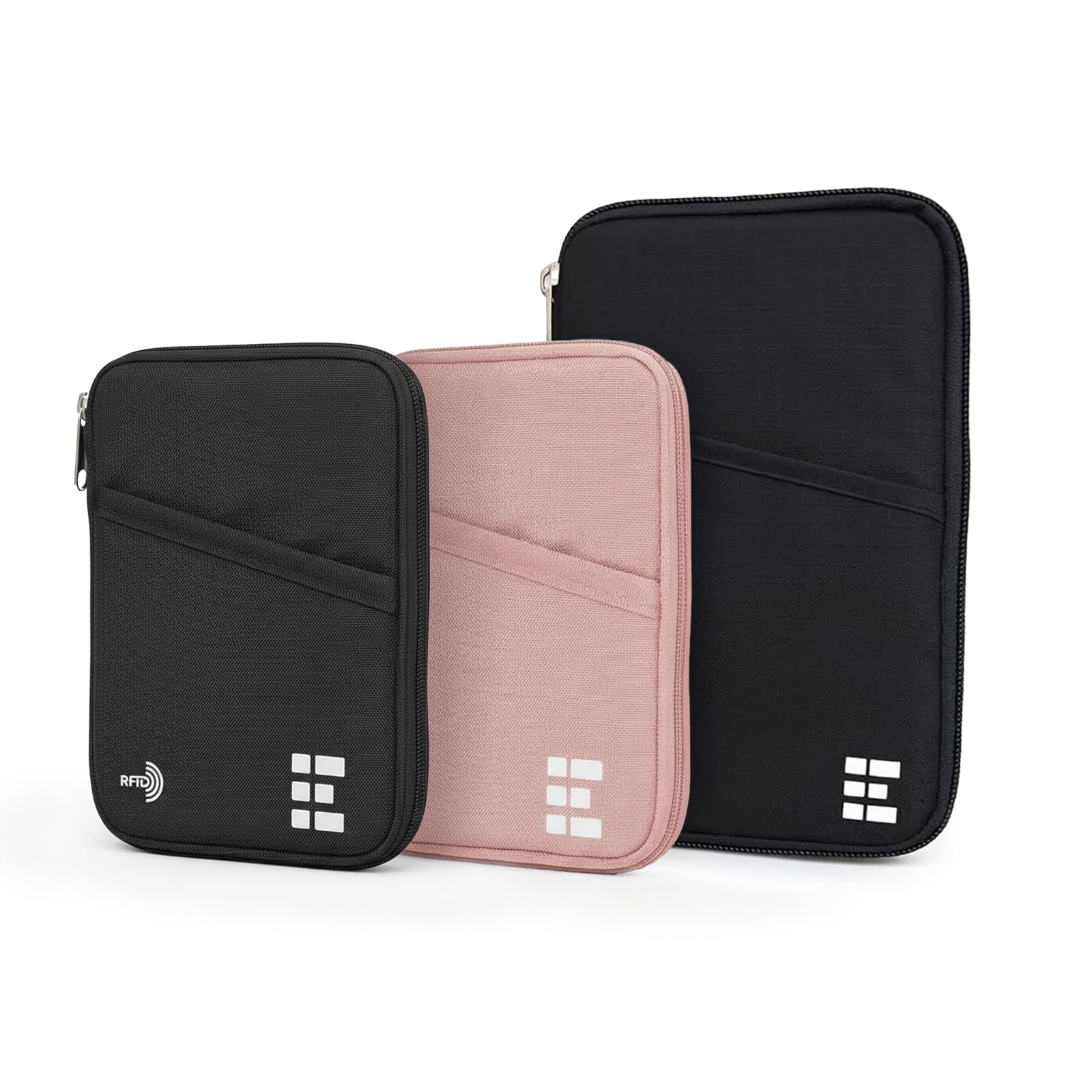
Amazon.com | Zero Grid RFID Family Passport Holder for up to 6 Passports, Large Zippered Wallet for Men & Women, Fits Cards, Cash, ID, Sim Card, AirTag; Premium & Compact Travel Document Holder - Midnight Black | Passport Wallets
View on AmazonLittle efficiencies that add up
- Metro proximity: Booking within a 5–8 minute walk of a metro or tram stop can save several paid rides per day.
- Two big meals: A substantial canteen lunch and early café supper stretch your budget better than three smaller restaurant stops.
- Free days: Track museum free‑entry calendars; plan your city day around them.
- Offline tools: Download offline maps and translation packs on Wi‑Fi to reduce data costs—and the stress of a dead signal on a rural bus.
The feeling to take with you
Frugality here doesn’t feel like sacrifice. It tastes like dill on warm potatoes and the peppery edge of rye. It sounds like trolley wires singing above a dusky avenue and birch leaves brushing a cottage window. With a few well‑placed decisions—and these budget travel tips for Belarus—travelers can move through the country with ease, pay fairly, and still end most days with coins left for a last pastry.
Recommended Travel Gear
Bradt Belarus (Bradt Travel Guides): Roberts, Nigel
Dass auch die Darstellung der Geschichte von Belarus reichlich holzschnittartig und angelesen daherkommt, fällt gegenüber weniger ins Gewicht. So ist dem sympathischen Autor Nigel Roberts für die näch
Pacsafe Prosafe 1000 Combination Lock with Steel Cable, Black
DIMENSIONS, WEIGHT & - 7. 1"H x 4. 3"W x 0. 8"D, 0. 29 lbs. <strong>Lock made of Zinc alloy and stainless steel cable to ensure durability and long-lasting usage</strong>. Comes wit
Amazon.com | Zero Grid RFID Family Passport Holder for up to 6 Passports, Large Zippered Wallet for Men & Women, Fits Cards, Cash, ID, Sim Card, AirTag; Premium & Compact Travel Document Holder - Midnight Black | Passport Wallets
RFID Protection: Wallet <strong>includes 7 RFID blocking sleeves to help protect passports and cards from unauthorized scans while traveling domestically or internationally</strong>.