Hokkaido in Shoulder Season: Hot Springs, Snowmelt and Farm Roads
Spring in Hokkaido is a quiet adventure: uncrowded onsen towns, farm-road drives, snow lingering in the peaks, and parks easing into bloom. Plan a 5–10 day loop.
Trip Length
5-10 days
Best Time
March to May (spring shoulder season)
Mood
adventure
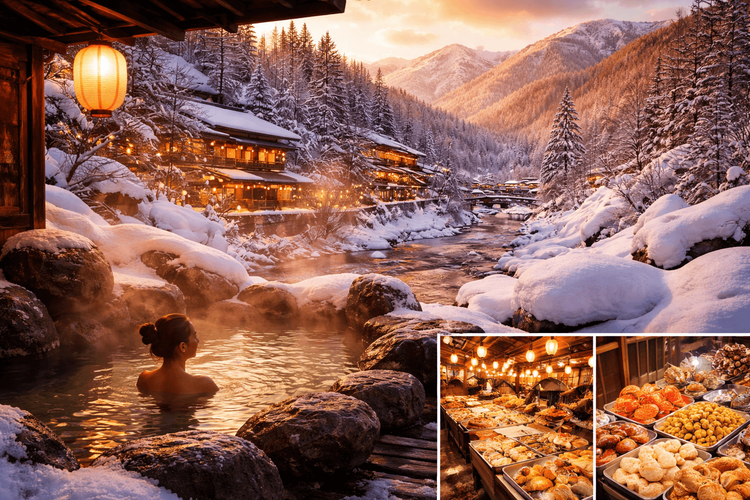
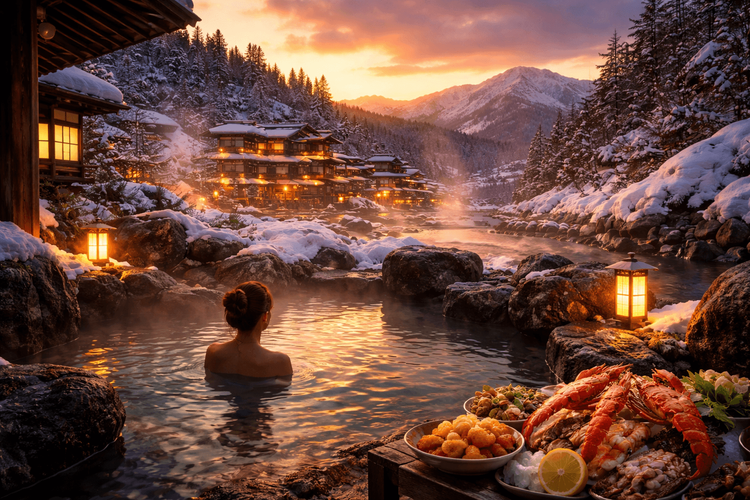
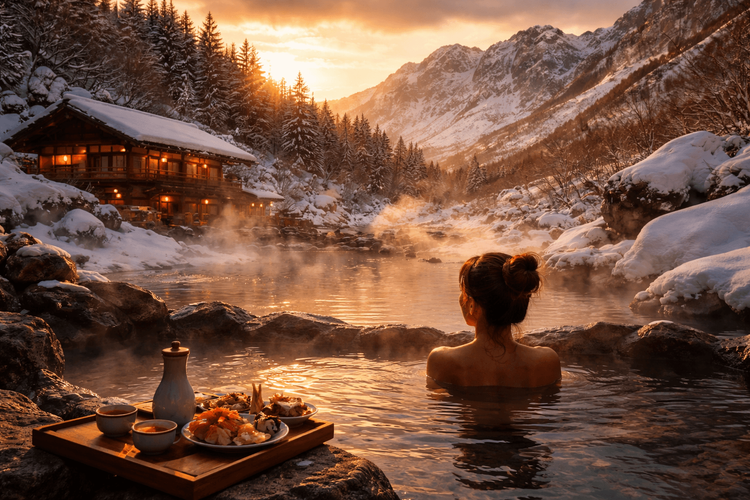
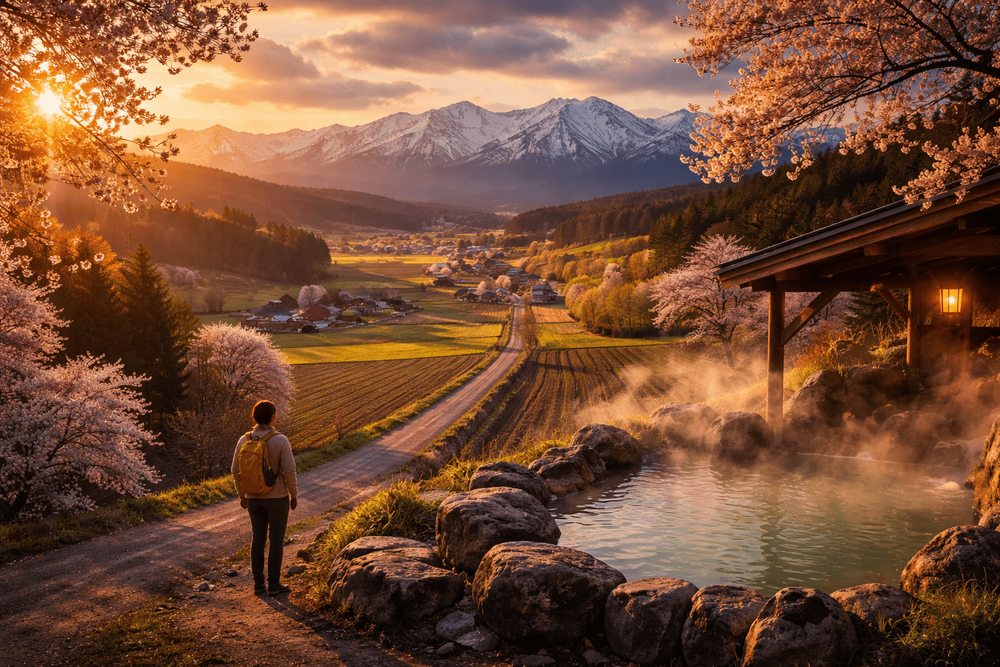
Steam rises from an outdoor bath as snow clings to the ridgelines—a reminder that winter hasn’t quite given up. Down in the valley, meltwater braids through birch forests and farm roads reappear as dark ribbons between fields readying for spring. This is the in-between—March to May—when a Hokkaido travel guide isn’t about chasing peak seasons but savoring the quiet rewards of the shoulder months: uncrowded onsen towns, soft light, and landscapes in flux.
Why the shoulder season works
You’ll feel it the moment you slip into an onsen with only the wind and a distant rookery for company. Spring in Hokkaido is about contrasts. In the mountains, winter lingers; at sea level, cherry buds swell, riverbanks green, and local markets pivot from deep-winter comfort foods to the first bright flavors of the year. The big draw now is time—time to linger in a hot spring without queuing, to pull off on a farm road and watch cranes arc across a sky washed clean by snowmelt, to drive a scenic loop without peak-season traffic.
Crowds thin after ski season tapers and before summer flower caravans arrive. Accommodation in popular towns typically has more availability; popular viewpoints feel unhurried. Trails at higher elevations are often still snowbound, but lowland paths, lakeshores, and valley drives open up day by day. If you like your adventure with a quiet soundtrack, this is your window.
Hokkaido travel guide: Where to go March–May
Hokkaido is large—think regions rather than a single hub—and spring invites a choose-your-own-loop approach.
Sapporo and Otaru: Begin or end in Sapporo, where parks and riverside promenades wake up in late April and May. Nearby Otaru’s canal and herring mansions take on a misty, cinematic quality in spring drizzle. On clear days, coastal viewpoints feel like private verandas.
Shikotsu–Toya and onsen towns: The volcanic lakes south of Sapporo are at their moody best in shoulder season, with steam curling from rivers and slopes still patched with snow. Onsen towns such as Jozankei or Noboribetsu feel especially relaxed now; long soaks, short gorge walks, and slow dinners are the order of the day.
Niseko and Annupuri foothills: Late March can still deliver corn-snow turns for experienced skiers and splitboarders with a guide, while April and May bring thawed rivers and quiet country lanes for cycling. Even if you’ve hung up your skis, the views of white-draped Mount Yotei hovering over greening fields are worth the detour.
Furano and Biei: The famous patchwork hills trade winter’s blank page for thin strokes of color as fields thaw. Lavender waits for summer, but in April and May you get the geometry: plowed earth, pale grasses, and the occasional early bloom under a sky that can switch from pearly to sapphire in a morning. Farm roads here are an open-air gallery—drive, ride, or wander.
Daisetsuzan National Park: Hokkaido’s highest range keeps its snow late. While most alpine routes remain wintry into May, valley walks, gorges, and onsen-lined canyons such as Sounkyo deliver drama without the commitment. Check ropeway operations and trail conditions; meltwater swells waterfalls and the air smells like pine and thawed earth.
East Hokkaido—Akan–Mashu and Kushiro wetlands: Spring light turns lakes glassy and the marshlands begin to green. You’re here for quiet roads, steam rising from volcanic vents, mirror-smooth caldera lakes, and the first movements of migratory birds. Morning mist on Lake Mashu or Lake Kussharo can feel like a private show.
Two spring routes for 5–10 days
If you have a week, think in arcs that minimize backtracking.
Western Hot Springs and Coast (7–9 days) Day 1–2: Sapporo arrival and city time—walk along the Toyohira River, warm up with soup curry, catch the evening glow from a central viewpoint. Day 3–4: Jozankei or Noboribetsu for onsen-hopping, short canyon walks, and lakeside drives in Shikotsu–Toya. Day 5–6: Niseko area for spring riding (if snow holds), farm-road cycling, or coffee-and-onsen days with Mount Yotei views. Day 7: Otaru’s canal and coastal viewpoints; seafood markets shift toward spring catches. Optional Days 8–9: Loop to Lake Toya or the Shakotan Peninsula for wind-sculpted cliffs and quiet coves.
Central Highlands and Patchwork Hills (6–8 days) Day 1–2: Asahikawa gateway and Daisetsuzan valley walks; soak in a riverside bath with snow still visible up high. Day 3–4: Furano and Biei for filmic farm roads, soft-serve stands reopening, and sunrise drives across rolling fields. Day 5–6: Sapporo for parks coming into bloom and markets leaning into spring produce. Optional Days 7–8: Detour east to Lake Akan and Mashu for quiet caldera lakes and geothermal quirks before looping back.
These are outlines, not checklists. Shoulder season is about reading the weather, following the steam, and favoring the road that looks like it knows a secret.
Onsen towns in spring: the daily rhythm
In March and April, the rotemburo—outdoor baths—are reasons enough to come. You might be soaking with powder fringes still clinging to cedar branches, or with a drizzle that turns the surface into hammered silver. Etiquette is simple: rinse thoroughly before entering, skip the swimsuit (that’s the norm), and keep towels out of the water. Many lodgings offer both overnight stays and daytime bathing; shoulder season means more flexibility for same-day soaks. Between baths, stretch your legs along river paths where snowmelt carves new soundtracks by the hour.
How to get there and around
- Gateways: New Chitose Airport (for Sapporo) has the most flights; regional airports such as Asahikawa and Kushiro shorten drives if you’re focusing on central or eastern loops. Trains connect airports to city centers.
- Trains and buses: JR Hokkaido links major cities and gateways. Rural lines thin out between small towns, especially in the east; plan extra time if you’re stringing together buses. IC cards work smoothly in urban areas; in remote stretches you may need cash fares.
- Driving: For full freedom in March–May, a rental car is the move. Expect winter tires to still be standard in early spring. Black ice can linger on shaded roads, and alpine passes may close after late snowfalls—check daily advisories. Distances are deceptive on the map; leave room for slow detours and serendipitous photo stops. Many service stations are full-service; staff will guide you if you’re unsure.
What to expect on arrival
- Weather swings: You can ski corn snow in the morning and picnic beside thawed lakes in the afternoon. Pack for range: brisk mornings, mild afternoons, chilly nights. Wind off the Sea of Japan can sharpen the air.
- Trails and access: Lowland paths and farm tracks open first; higher routes in Daisetsuzan often hold snow into May. Some ropeways or park roads run limited spring schedules—confirm before you go.
- Flowers and trees: Hokkaido’s cherry blossoms generally arrive later than Honshu’s, often from late April into May depending on the year and the town’s altitude. By May, early fields trade white for pinks and fresh greens; full summer displays wait their turn.
- Food rhythm: Spring menus ease from hearty winter stews to lighter plates. Seafood markets hum year-round; in spring, expect crab, scallops, and line-caught fish depending on the port. Dairy country comes alive as pastures green—ice cream stands and coffee counters reopen along popular drives.
Adventure notes for spring
- Late-season snow sports: Guided ski touring can be excellent in late March and occasionally into April when conditions align. If you’re new to the terrain, hire a qualified local guide and carry proper gear.
- Cycling: Once roads clear, the soft contours around Biei and the Niseko foothills are ideal for half-day rides. Expect occasional gravel and meltwater crossings; a light layer and gloves keep you happy on descents.
- Lakes and rivers: Shoreline walks around volcanic lakes feel meditative in spring’s cool air. Kayak and canoe outfitters begin to stir as water levels stabilize—check opening dates.
Where to base yourself
Think two to three bases rather than a new hotel every night. A Sapporo hub plus an onsen town and a countryside stay (Furano/Biei or Niseko area) covers a lot of ground without turning your trip into a relay race. In eastern Hokkaido, pairing a caldera-lake town with a night near the marshlands creates a rewarding contrast. In spring, bookings are less pressured, making it easier to extend a night when a place gets under your skin.
Eating and drinking in shoulder season
Hokkaido is indulgent without trying. In Sapporo, rich soup curry warms cold evenings; along the coast, stalls steam shellfish to order; inland, smoky jingisukan (grilled lamb) pairs perfectly with cool nights. Dairy is a point of pride—farm cafés serve just-made cheeses and soft-serve that tastes like the fields smell. If you enjoy sake, you’ll find small breweries across the island; tasting rooms often spotlight seasonal releases when the snowmelt still runs cold.
Planning essentials
- Trip length: 5–10 days lets you sample a region or two without rushing.
- Connectivity: Coverage is solid along main corridors. Mountain valleys can be patchy—download maps offline.
- Cash and cards: Cards are widely accepted in cities; small countryside shops may prefer cash.
- Language: English signage is common at transport hubs and major sites; a translation app bridges the rest.
The spirit of the season
In the shoulder months, Hokkaido gives more than it asks. Roads open like invitations. Hot springs steam in the cool morning air. Farmers step into their fields and birds redraw the sky. Use this Hokkaido travel guide as a sketch, then let weather and whim finish the picture. If winter clings to the peaks, all the better—the contrast is why you came. Start plotting your loop, and leave a little room at the edges for whatever the snowmelt reveals next.
Where to Stay

Vessel Hotel Campana Susukino
Vessel Hotel Campana Susukino is a 4-star hotel in Sapporo's Susukino district offering modern rooms, easy access to nightlife, dining and public transit, and ties to sister properties in Furano and Noboribetsu; guests give it a 9/10 rating.

La'Gent Stay Sapporo Odori Hokkaido
La'Gent Stay Sapporo Odori is a 4-star hotel in central Sapporo by Odori Park, offering a convenient base for exploring Hokkaido, including Furano and Noboribetsu, and holding a 9/10 guest rating.

karaksa hotel Sapporo
karaksa hotel Sapporo is a 4-star property in Sapporo, part of a Hokkaido group with locations in Furano and Noboribetsu; guests rate it 9.1/10, and it offers comfortable rooms and practical amenities as a convenient base for exploring the city and region.

GRANBELL HOTEL SUSUKINO
Granbell Hotel Susukino is a 4-star, design-oriented hotel in Sapporo’s Susukino district with an 8.8/10 guest rating, offering modern rooms, an on-site restaurant and easy access to public transport and nightlife, with sister properties in Furano and Noboribetsu.

Vessel Inn Sapporo Nakajima Park
Vessel Inn Sapporo Nakajima Park is a 3-star hotel with a 9/10 guest rating, located steps from Nakajima Park and providing a convenient base for exploring central Sapporo and day trips to Furano and Noboribetsu.