
Sapporo to Noboribetsu: Hokkaido’s Late‑Winter Comforts of Snow, Steam and Soul‑Soothing Food
A one-week winter route from Sapporo to Noboribetsu pairs onsen steam, soulful Hokkaido cooking, and hushed snow walks—a wellness ritual you’ll want every year.
Trip Length
1 week
Best Time
January–March
Mood
wellness
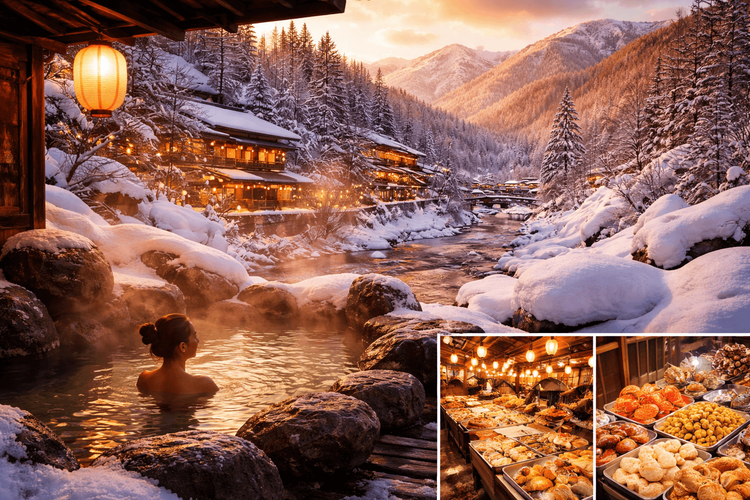
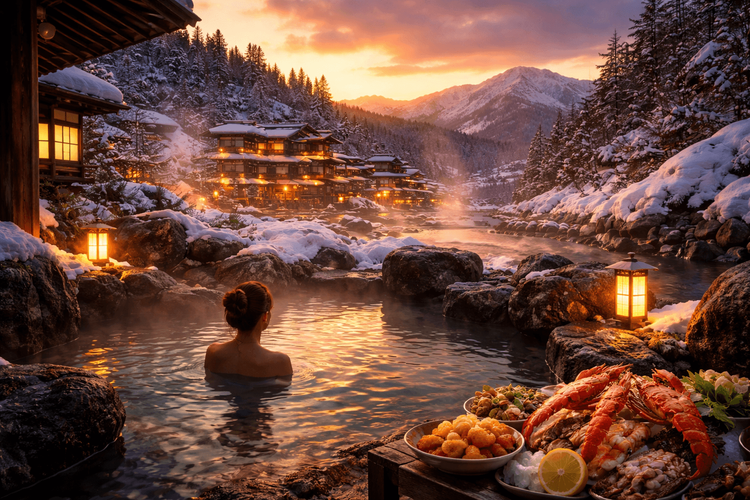
Snow hisses on the rim of the outdoor bath as it meets mineral heat. Pines wear a frosting of white so perfect it looks staged, and somewhere below, a river runs under armor-thick ice. This is the promise of a Hokkaido travel guide built for late winter: you warm from the bones outward as steam curls into the night and the scent of cedar mingles with sulfur and cold.
Why late winter feels like a ritual
January through March in Hokkaido isn’t a season; it’s a state of mind. The island leans into contrast—open-air rotenburo at dusk, quiet streets padded in snow, meals that arrive with clouds of fragrant steam. With the holiday rush behind and spring still a rumor, your days take on a rhythm: soak, stroll, slurp, repeat. Sapporo sets the tempo with big-sky avenues and hearty cooking; Noboribetsu deepens it with geothermal drama and onsen traditions that ask you to slow down and listen—to the water, to the wind, to your own pulse.
Hokkaido travel guide: Late‑winter route and rituals
Think of this one-week path from Sapporo to Noboribetsu as a gentle arc—city energy easing into hot-spring calm.
- Days 1–2: Sapporo. Arrive, acclimate, and eat well. If your timing aligns, winter festivals add a glitter of lanterns and ice.
- Day 3: Day trip to Otaru or Jozankei. Choose seaside glass and snow-lit canals, or forested hot springs closer to town.
- Day 4: Lake Shikotsu. Clear water, frosted shores, and seasonal ice sculptures when temperatures really bite.
- Days 5–6: Noboribetsu Onsen. Volcanic valleys, milky baths, and quiet streets lit by rising steam.
- Day 7: Return via New Chitose Airport, pausing for last tastes and one more soak if you can.
You could reverse it, but moving from the city’s glow to the onsen’s hush feels like a story finding its ending.
Sapporo: where warmth is cooked, not just found
Sapporo’s winter playbook starts indoors. The city’s signature bowls—miso-rich ramen, slow-simmered soup curry—are built for temperatures that ask for an extra pause at the door. Markets teem with Hokkaido’s cold-water riches: crab legs like crimson sculpture, glistening scallops, uni so sweet it tastes of snowmelt. Order a steaming donburi piled with the day’s catch and watch how quickly the room returns to color in your cheeks.
When you do venture out, parks and avenues turn into galleries of ice and light in February. Even on ordinary nights, wide sidewalks hum softly under footfalls cushioned by snow, and convenience stores double as oases of heat and supplies—hand warmers, thick socks, local sweets. If you need a break from the chill, a museum-café loop or a stop at a historic beer hall keeps things civilized, amber, and convivial.
Day trips that layer the mood
- Otaru by day: The port’s canal wears its winter coat well. Warehouses glow gold by late afternoon, and glass workshops send warm light onto the snow. Sweet shops lean into the season with creamy custards and flaky pastries inspired by the island’s stellar dairy.
- Jozankei’s forest baths: An easy ride south from Sapporo, this onsen valley swaps neon for river rock and cedar. It’s a good primer in bathing etiquette before the deeper dive in Noboribetsu.
- Lake Shikotsu’s clarity: One of the clearest lakes in Japan reads almost black-blue in winter, fringed with hoarfrost. When temperatures plummet, local ice and light displays make evenings oddly otherworldly.
Noboribetsu: steam, sulfur, silence
The approach feels cinematic. Snowbanks give way to ridges, and then the landscape opens into Noboribetsu’s geothermal heart. Hell Valley (Jigokudani) exhales steady plumes from sulfur vents, and boardwalks snake above mineral-streaked earth. It’s theatrical, yes, but also meditative: clouds drift, water gurgles, the air tastes faintly of eggs and winter. Up the slope or along side streets, ryokan and public baths pour that same earth-warmed water into indoor hinoki tubs and open-air rock pools.
Make time for a twilight walk through rising steam; the cold edits everything down to essentials. After, dinner is quiet theater—seasonal seafood, mountain vegetables, and hot pots that arrive with broth rolling at the rim. You sleep like you’ve set something heavy down.
Eating for warmth: a regional cheat sheet
- Miso ramen: Rich, savory, often touched with butter and corn in winter. It’s not subtle; it’s exactly what you want after a long walk in the snow.
- Soup curry: Fragrant, brothy, and customizable for heat. Vegetables stay vibrant, proteins fall-apart tender.
- Kaisen-don: Bowls layered with crab, salmon roe, scallops, and whatever the docks delivered that morning.
- Jingisukan: A tabletop grill ritual that perfumes the air with lamb and onions—best after a day in the cold.
- Dairy and sweets: Hokkaido’s milk and cream have a cult following. Custards, soft-serve, butter cookies—consider them morale in edible form.
- Local brews and sake: Crisp lagers and clean, rice-driven sakes pair beautifully with winter’s salt and smoke.
Onsen etiquette that keeps the mood serene
Bathing here is about quiet and care. A few reminders go a long way:
- Rinse well before soaking; wash stations are part of the ritual.
- No swimwear in most traditional baths. A small towel is fine for modesty outside the water.
- Keep long hair tied up; keep towels out of the bathwater.
- Move slowly between hot and cold; step out if your heart races.
- Tattoos are handled differently by each facility; check policies or choose tattoo-friendly public baths when needed.
Practicalities: how to arrive, move, and stay warm
- Getting there: Fly into New Chitose Airport, the gateway for Hokkaido. Trains run under an hour to central Sapporo; signage is clear in English and Japanese. From Sapporo, limited express trains head south to Noboribetsu in roughly 70–90 minutes. From the station, a short bus or taxi ride climbs to the onsen village.
- What to expect on arrival: Platforms and sidewalks are efficiently cleared, but ice lingers—rubber soles with good grip are worth it. Stations and malls have coin lockers for day-bag freedom. Convenience stores handle quick meals, SIMs, and emergency gloves without fuss. IC transit cards are widely useful for trains and purchases; cash still helps at smaller baths and family-run eateries.
- Getting around: In winter, trains are the calmest bet between cities. Local buses serve onsen towns reliably, though schedules thin in the evening. Taxis are easy to find at major stations. If you rent a car, expect well-managed roads but respect snow and black ice.
- What to pack that actually matters: A warm coat that blocks wind, a mid-layer you can shed indoors, and socks you love. Compact crampons for icy alleys can save a slip. Bring a small towel for public baths and a sealable bag for wet swim caps or toiletries.
A one‑week outline you can trust
- Day 1: Land at New Chitose. Train to Sapporo. Early dinner of ramen or soup curry, then a short walk to catch the glow of winter lights.
- Day 2: Market morning for seafood bowls. Afternoon museum or café crawl. Consider an evening soak at a city bath to start the theme.
- Day 3: Otaru or Jozankei. If Otaru, arrive late morning, stroll the warehouses, warm up with pastries, return after twilight. If Jozankei, claim a day-use bath and linger until your fingers prune.
- Day 4: Lake Shikotsu. Walk the lakeshore, hunt for the clearest patch of water, visit seasonal ice displays if they’re on. Return to Sapporo for grilled lamb.
- Day 5: Sapporo to Noboribetsu. Check into your ryokan or public bathhouse of choice. First long soak before dinner.
- Day 6: Hell Valley boardwalks, then footbaths and tea. Afternoon nap, twilight rotenburo, quiet kaiseki-style dinner.
- Day 7: Slow morning soak. Train to New Chitose for your flight, pausing for one last seafood bowl at the airport if timing allows.
Wellness gains you actually feel
This week trades spectacle for sensation: the way your hands stop aching the moment your shoulders drop into hot water; the peppermint-cold shock of night air on damp skin; the particular calm that arrives after a hot pot shared at an unhurried table. Hokkaido doesn’t force revelations—it gives you the conditions for them. That’s the heart of this Hokkaido travel guide: set the scene, and let winter do the rest.
When to go and why it works
Late January through March stays reliably wintry, with deep snow in the city and the countryside. Early February adds festival sparkle around the island; late February and early March often bring clearer skies and marginally longer days—ideal for daytime walks and twilight baths.
The goodbye that isn’t one
On the train back to the airport, snowfields strobe by like film frames. Your hair still smells faintly of cedar. There are trips you check off, and then there are trips you repeat until they become part of your year. Sapporo to Noboribetsu in late winter belongs to the second kind. If you’re ready to let the island reset your pace, this Hokkaido travel guide points the way: snow, steam, and food that steadies you for the seasons ahead.
Where to Stay

Vessel Hotel Campana Susukino
Vessel Hotel Campana Susukino is a 4-star hotel in Sapporo's Susukino district offering modern rooms, easy access to nightlife, dining and public transit, and ties to sister properties in Furano and Noboribetsu; guests give it a 9/10 rating.

La'Gent Stay Sapporo Odori Hokkaido
La'Gent Stay Sapporo Odori is a 4-star hotel in central Sapporo by Odori Park, offering a convenient base for exploring Hokkaido, including Furano and Noboribetsu, and holding a 9/10 guest rating.

karaksa hotel Sapporo
karaksa hotel Sapporo is a 4-star property in Sapporo, part of a Hokkaido group with locations in Furano and Noboribetsu; guests rate it 9.1/10, and it offers comfortable rooms and practical amenities as a convenient base for exploring the city and region.

GRANBELL HOTEL SUSUKINO
Granbell Hotel Susukino is a 4-star, design-oriented hotel in Sapporo’s Susukino district with an 8.8/10 guest rating, offering modern rooms, an on-site restaurant and easy access to public transport and nightlife, with sister properties in Furano and Noboribetsu.

Vessel Inn Sapporo Nakajima Park
Vessel Inn Sapporo Nakajima Park is a 3-star hotel with a 9/10 guest rating, located steps from Nakajima Park and providing a convenient base for exploring central Sapporo and day trips to Furano and Noboribetsu.