
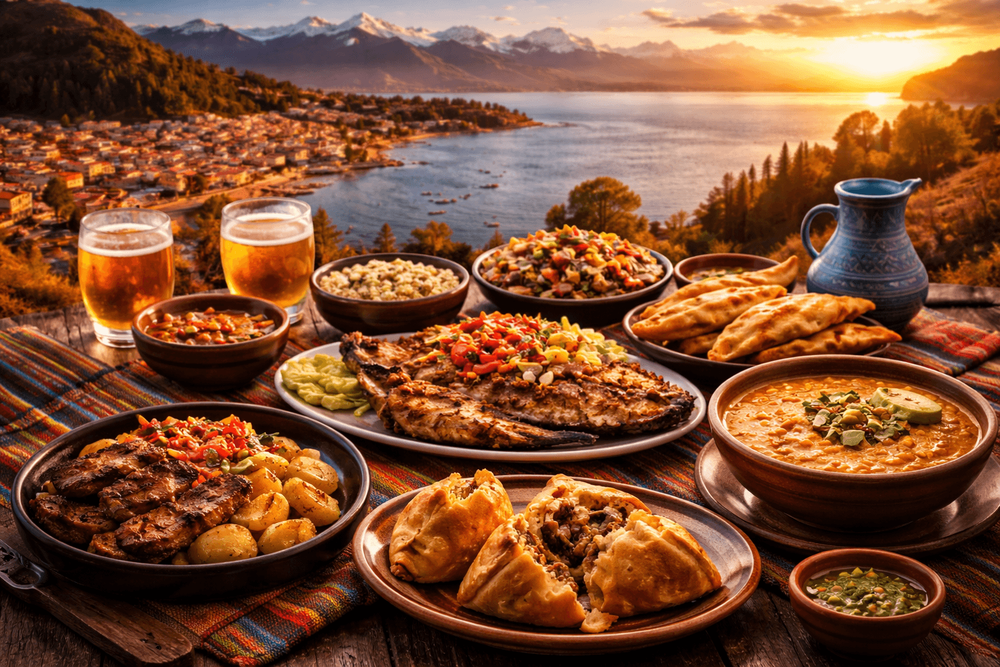
Taste of Bolivia: Must-Try Dishes Every Traveler Should Sample
From salteñas to anticuchos, discover the dishes, markets, and rituals that define Bolivian cuisine—plus where, when, and how to savor every bite.
Mood
Culinary Deep-Dive
Dawn breathes thin and bright over La Paz. Steam curls from a tin pitcher of api morado, perfuming the street with cinnamon and clove as a vendor opens a tray of burnished salteñas, their crimped seams glistening like lacquer. The first bite breaks with a sugared crunch; a rush of savory broth and ají heat follows, chased by the citrusy spark of quirquiña in a spoonful of llajua. In a city that climbs to the sky, breakfast begins near the ground—on sidewalks and in stalls—with some of the essential, must-try dishes in Bolivia that anchor daily life to the land.
Must-Try Dishes in Bolivia: The Canon
- Salteñas: Bolivia’s mid-morning obsession. These hand pies—more stew than pastry—encase beef or chicken with potatoes, peas, olives, and hard-boiled egg in a slightly sweet, braided crust. The gelatinized broth turns molten as they bake; the proper technique is to eat them upright, never sideways.

Lonely Planet Bolivia (Travel Guide): Albiston, Isabel, Grosberg, Michael, Johanson, Mark
Lonely Planet's Boliviais <strong>your passport to the most relevant, up-to-date advice on what to see and skip, and what hidden discoveries await you</strong>. Explore the world's largest s
Check Price on AmazonAnticuchos: Nighttime belongs to the grill. Skewers of marinated beef heart sizzle over charcoal, basting in smoky fat and ají panca. Served street-side with boiled potatoes and a drizzle of peanut sauce, they’re tender, mineral, and deeply satisfying.
Pique macho (pique a lo macho): A boisterous platter for sharing—flash-fried strips of beef and sausage tossed with a mound of fries, peppers, and onions, crowned with wedges of hard-boiled egg and a spooning of llajua. Salty, spicy, and unapologetically hearty.
Silpancho: Cochabamba’s cult classic. A thin, breaded beef cutlet blankets a bed of rice and sliced potatoes, then takes a fried egg and a bright pico de gallo flecked with locoto. It’s a study in textures: crackle, fluff, cream, and crunch.
Sopa de maní: Comfort in a bowl. This creamy peanut soup—perfumed with celery and parsley—often carries tender beef, carrot, and potato, sometimes thin noodles, and always a final flourish of golden shoe-string potatoes scattered on top.
Mondongo Chuquisaqueño: A celebratory pork stew from Sucre and Potosí. Slow-cooked in brick-red ají colorado until the meat yields, it’s served with mote (hominy), potatoes, and a crisp mantle of pork crackling for contrast.
Majadito: The eastern lowlands on a plate—rice cooked in a savory broth with tomatoes and annatto, studded with charque (sun-dried beef) or shredded meat, and finished with a fried egg and sweet plantain.
Humintas: Sweet-corn tamales scented with anise and folded in corn husks. Steamed or oven-baked, they’re delicate and custardy, with pockets of melted cheese that bloom in the mouth like butter.
Api morado: A hot, purple-corn drink brightened with orange peel and warmed by cinnamon and clove. Silky and soothing, it shows up with the sunrise and again in chilly Andean evenings, often paired with pastelitos or buñuelos.
Llajua: The heartbeat of the Bolivian table. This thin, fresh salsa—tomato and locoto chile beaten to a glossy sheen with the herb quirquiña—doesn’t shout; it sings, elevating everything from grilled meats to humble potatoes.
Regional Flavors: From Altiplano to Amazon
La Paz and the Altiplano
The high plateau reads like a ledger of austere abundance. Tubers thrive here: floury chuño, waxy papas andinas, oca with its delicate, nutty sweetness. In La Paz, chairo (a rich soup of chuño and beef) and sopa de maní keep the cold at bay, while anticuchos perfume the avenues after dusk. Salteñas arrive mid-morning as a second breakfast—an unspoken ritual between office workers and students. Markets like Mercado Lanza and Rodríguez Market present meticulously stacked pyramids of potatoes next to glistening cheeses and deep-green bundles of quirquiña, all cues to the city’s flavorful restraint and altitude-tested appetite.
Cochabamba: The Country’s Larder
Cochabamba sits in a fertile valley with a reputation to match: locals insist it holds the nation’s best food. Portions grow generous; flavors lean bright. Silpancho is the emblem—crisp, indulgent, and unapologetically large—while pique macho runs rampant in late-night haunts. Chicharrón (pork fried slowly in its own fat until bronzed and shattering) appears at weekend almuerzos. In the city’s capacious markets, the smell of ají rojo and fresh bread mingles with ripe stone fruit and corn still jewelled with milk.
Santa Cruz and the Oriente
The lowlands turn the table toward tropical ease. Here, majadito and locro (a hearty beef-and-corn soup) speak of open skies and shade trees. Cheeses soften the palate: the springy, salty kiss of queso cruceño brightens everything from arepas de choclo to cuñapé (tapioca-cheese rolls). Plantain and yuca stand in for potatoes, and the air is fragrant with achiote and grilled meats. Lunch lingers longer; the heat invites a siesta and a cold beer beading in the hand.
Yungas and the Amazonian Fringe
Where the Andes plunge into cloud forest, the larder shifts again. Bananas sweeten stews, yuca becomes pan de yuca and sonso, and river fish—dorado, pacú—receive a simple, citrus-forward treatment. Drinks run refreshing and lightly fermented; chicha de yuca and corn, served in shared bowls, bind village gatherings and weekend markets with gentle buzz and ceremony.
For those seeking a broader sweep of flavors across elevations, Taste Bolivia: Authentic Culinary Experiences from Altiplano to Amazon maps how geography seasons every bite.
Where to Taste It: Markets, Stalls, and Tables
Street Stalls and Markets
- Morning markets for salteñas and api: In La Paz and Sucre, stands begin selling around 9 a.m. and may be sold out by noon. Expect to pay 7–15 BOB per salteña; api runs 5–10 BOB a cup.
- Night grills for anticuchos: Seek the flicker of charcoal along busy avenues. Skewers often cost 10–25 BOB each; a plate with potatoes and peanut sauce might be 20–35 BOB.
- Almuerzo at the market: The set lunch—soup, a hearty second course, and a refresco—sits between 20–35 BOB. Arrive by 12:30 p.m. to catch the freshest pots; seats fill quickly.
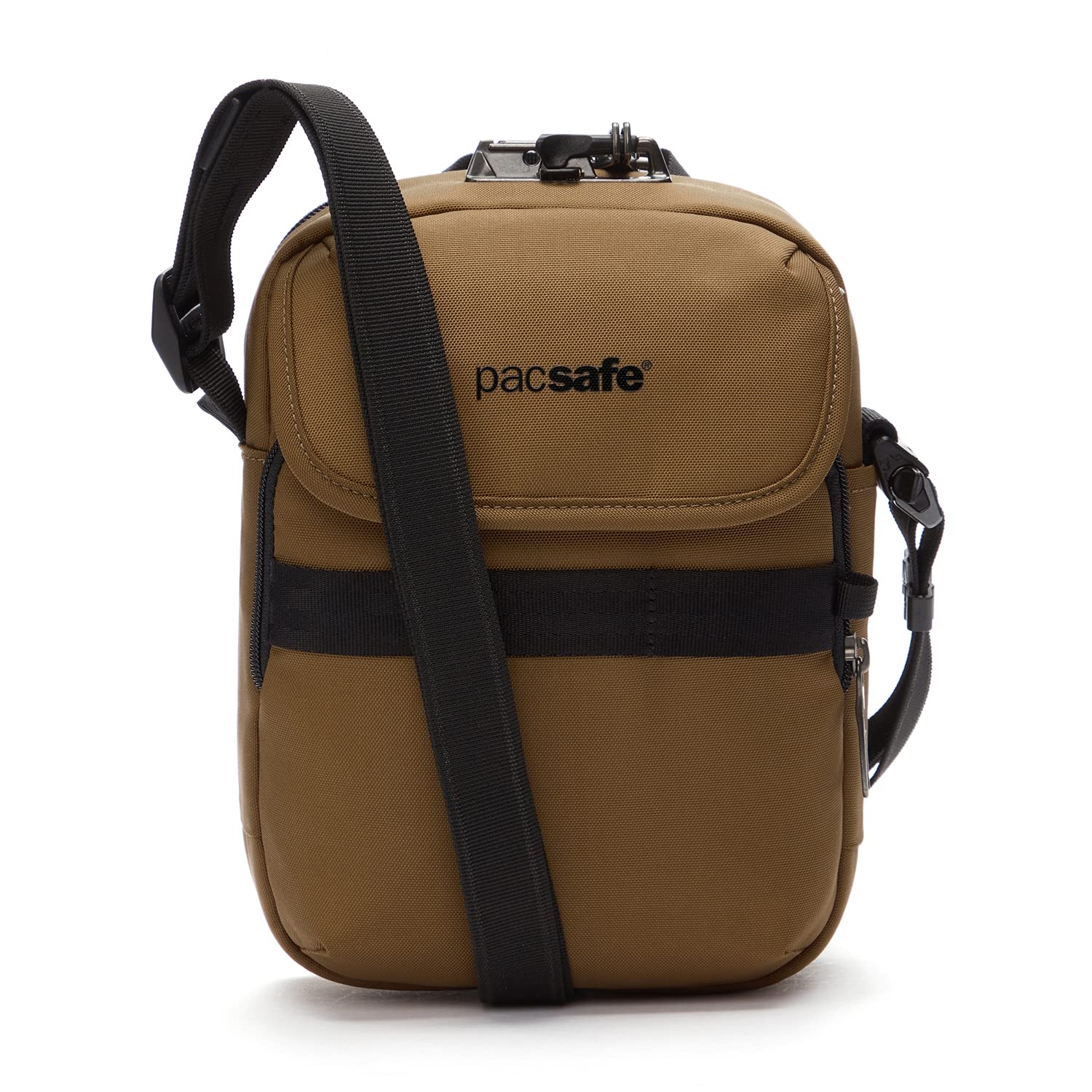
Pacsafe Metrosafe X Anti Theft Compact Crossbody - Fits 8" Tablet, Black : Clothing, Shoes & Jewelry
View on AmazonRodríguez Market and Mercado Lanza in La Paz, La Cancha in Cochabamba, Mercado Central in Sucre, and Los Pozos in Santa Cruz are institutions. Follow the locals; stalls with steady crowds and piping-hot turnover deliver the crispest, cleanest flavors.
Family-Run Eateries and Notable Kitchens
- Cochabamba’s silpancherías plate cutlets bigger than the plate itself—crisply fried, egg-yolk gloss pooling into the rice.
- In Sucre and Potosí, traditional comedores serve mondongo on feast days, the ají rojo lacquered and gleaming, the crackling audible across the room.
- In Santa Cruz, rustic eateries pair majadito with fried plantain and a runny-yolked egg; the rice grains gleam with annatto’s sunset hue.
- In La Paz, contemporary kitchens elevate tradition with confidence—think quenelles of peanut cream that recall sopa de maní, or local trout wrapped in Andean herbs.
Culinary travelers who prefer guidance can book market walks and hands-on tastings through Savor Bolivia: What to Expect on Culinary Tours and Food Experiences. It’s an efficient way to sample must-try dishes in Bolivia while understanding the stories simmering behind them.
Prices, Peak Times, and the Rhythm of the Table
- Breakfast is brisk: pastries by 8 a.m., salteñas by mid-morning. Bakeries reopen for merienda around 5 p.m. with buñuelos and api.
- Lunch is the day’s anchor, typically 12–2 p.m. Dinner skews lighter—though pique macho ignores curfews.
- Expect higher prices in polished restaurants (60–120 BOB for mains) and gentler ones in markets and neighborhood cafes.
Where to Stay for Easy Eating
- The Atix Hotel (booking-url) in La Paz anchors the city’s southern district with museum-grade Bolivian art and a breakfast spread that previews the pantry—from quinoa breads to local cheeses. Its perch grants quick access to both upscale dining and beloved salteñerías.
- In Sucre, Parador Santa María La Real (booking-url) occupies a restored colonial mansion where courtyards glow at dusk. The kitchens treat guests to regional breads and jams, and the Mercado Central sits a leisurely stroll away.
- Santa Cruz’s Los Tajibos (booking-url) feels like a tropical garden unfurled—pools, palms, and a dining scene that toggles between lowland classics and cosmopolitan plates. It’s an elegant base for forays to local churrasquerías and market breakfasts.
Culture, Etiquette, and Smart Tips
Mealtime Customs and Occasion Foods
Bolivians prize the midday meal. The almuerzo’s two courses are not a throwback but a living ritual: a brothy opener—sopa de maní, chairo, or a seasonal vegetable soup—followed by a plato fuerte. On weekends, families gather around chicharrón; on feast days in Sucre, mondongo crowns the table, its ají rojo a celebratory banner. Around All Saints’ Day, bread effigies called t’antawawas appear, traded and blessed alongside platters of seasonal fruit.
Tea time (merienda) is no less sacred—late afternoons bring api morado with pastelitos or steaming mocochinchi, a dried-peach infusion scented with cinnamon. Even the fastest lunch pauses for a shared llajua bowl; it’s common to taste, nod, and ask the vendor about the day’s locoto heat.
Travelers drawn to the ways food braids into rites and music will find rewarding context in Authentic Cultural Tours in Bolivia: Indigenous Traditions, Festivals & Community Immersion, which often include market visits and celebratory meals.
Drink Pairings: From Singani to Chicha
- Singani: Bolivia’s high-altitude grape brandy lifts cocktails like the Chuflay (singani, ginger ale, lime) and Yungueñito (singani, orange juice) with alpine clarity. It flatters fried dishes—anticuchos, silpancho—by cutting richness.
- Chicha: Fermented corn or yuca, served slightly tart and milky in communal bowls. In Cochabamba and the valleys of Tarija, chicherías mark their readiness with a broom above the door; manners dictate sharing and sipping slowly.
- Beers and refrescos: Local lagers cool the lowlands; in the Andes, api morado or mocochinchi warm the bones. Fresh jugos are tempting; ask if they’re blended with purified water.

GRAYL GeoPress 24 oz Water Purifier Bottle - Filter for Hiking, Camping, Survival, Travel (Bali Blue)
Versatile, fast, and ridiculously easy to use — the 24oz GeoPress Water Filter & Purifier Bottle <strong>requires zero setup, no sucking or squeezing, and makes 24 fl oz (710 ml) of clean purified
Check Price on AmazonDietary Options and How to Order
- Vegetarian travelers will find solace in humintas, arepas de choclo with cheese, llauchas (cheese pastries), stuffed locoto sin carne, and market soups made to order. Quinoa, tarwi (lupini beans), and Andean tubers add protein and substance.
- For less spice, request “sin ají” or ask for llajua on the side. For richer cuts, “bien cocido” assures a thorough sear at grill stalls.
- Portion sizes can be generous; sharing a pique macho or silpancho is common and welcomed.
Street Smarts and Food Safety
Bolivians are fastidious about their markets, but prudent travelers do well with a few rules:
- Follow the line: Busy stalls mean fast turnover and fresher fry oil.
- Prioritize hot and cooked: Soups bubbling vigorously, meats griddled to order, and just-fried buñuelos are safer bets than premade salads in small towns.
- Hydration and altitude: On arrival to La Paz or Potosí, consider gentle starts—soups, light corn dishes—before heavy meats. Altitude can make the richest plates feel heavier.
- Cash is king in markets; small bills smooth transactions. Tipping isn’t expected at stalls; in restaurants, rounding up or leaving 5–10% for attentive service is appreciated.
For travelers planning long, budget-friendly circuits between cities and markets, Backpacking Bolivia: Essential Tips for Safe, Affordable, and Authentic Travel offers practical advice that dovetails neatly with street-food exploration.
The Taste That Lingers
Evenings descend quickly in the high Andes. Smoke threads the corners where anticucho grills pop and hiss, potatoes blush in the coals, and llajua gleams like rubies under a single bulb. In the lowlands, rice glows the color of late sun, plantains caramelize to toffee, and chicha cools palms damp with heat. Across altitudes and seasons, these must-try dishes in Bolivia fold weather and history into each mouthful—salt from the Salar, peanuts from valley floors, purple corn from pre-Columbian terraces—proving that a country can be tasted as vividly as it can be seen.
Recommended Travel Gear
Lonely Planet Bolivia (Travel Guide): Albiston, Isabel, Grosberg, Michael, Johanson, Mark
Lonely Planet's Boliviais <strong>your passport to the most relevant, up-to-date advice on what to see and skip, and what hidden discoveries await you</strong>. Explore the world's largest s
GRAYL GeoPress 24 oz Water Purifier Bottle - Filter for Hiking, Camping, Survival, Travel (Bali Blue)
Versatile, fast, and ridiculously easy to use — the 24oz GeoPress Water Filter & Purifier Bottle <strong>requires zero setup, no sucking or squeezing, and makes 24 fl oz (710 ml) of clean purified
Pacsafe Metrosafe X Anti Theft Compact Crossbody - Fits 8" Tablet, Black : Clothing, Shoes & Jewelry
ANTI-THEFT - 2022 version in Tan colorway, <strong>Interlocking Zippers & Cut Proof Material (lightweight steel mesh) to prevent pickpocketing</strong>. RFID blocking pocket to keep credit cards/I