
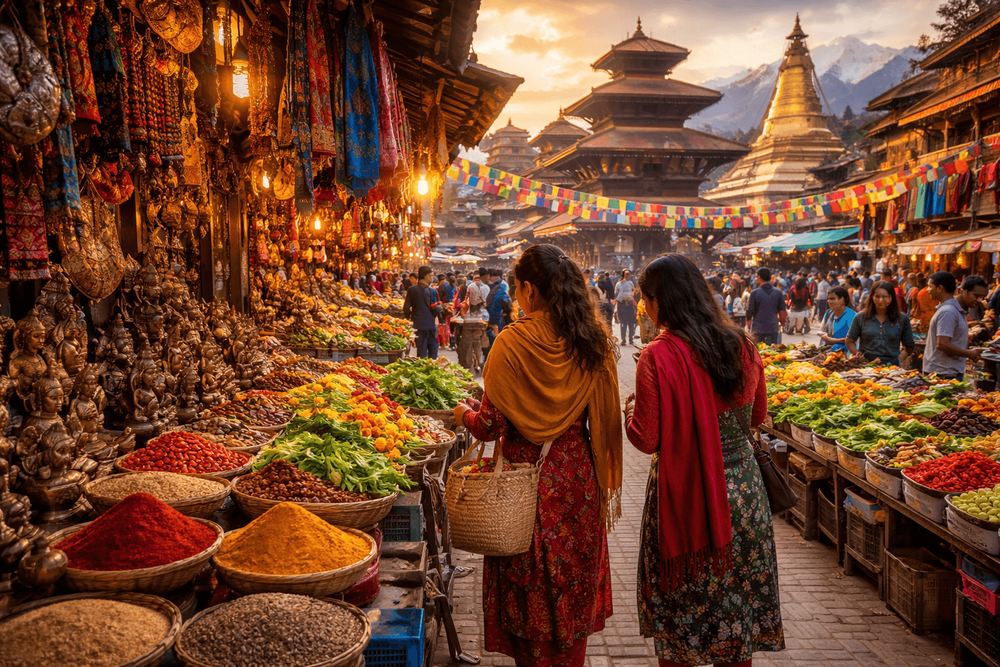
Shop Like a Local: Nepal’s Best Markets for Food, Handicrafts & Culture
From Asan’s spice-scented lanes to Palpa’s dhaka looms, here’s where to taste, haggle, and bring home Nepal’s most soulful market finds.
Mood
Artisanal Treasure Hunt
The first scent that greets the dawn in Kathmandu’s Asan is coriander and turmeric, rising in warm plumes from burlap sacks. Brass bowls glint in shopfronts as porters thread through a maze that has hummed for centuries. This is the living soul of commerce in the Himalaya—and where travelers discover the best local markets in Nepal, places where trade is not just transaction but tradition.
The Best Local Markets in Nepal
Kathmandu’s Asan Bazaar and Indra Chowk: The Beating Heart
At the crossroads of Kathmandu’s medieval trade routes, Asan unfurls in a tangle of six converging lanes, each choked with life. Here, vendors stack pyramids of chilies and garlic beside hand-beaten brass utensils and bundles of incense. Look for loose-leaf chiya (tea) blends, ghee, dried buffalo meat (sukuti), and seasonal produce displayed with ritual precision. Nearby Indra Chowk is the city’s bangle-and-bead emporium—rows of glass bracelets shimmer like dragonfly wings—while blanket merchants and fabric houses recall the days when traders trekked down from Tibet with salt and wool.
Signature experiences: Sip sweet, milky chiya at a streetside stall, then watch a silversmith shape filigree earrings no bigger than a rupee. The Newa heritage of the old city is palpable in the woodcarved windows and hidden courtyards; temple bells punctuate bargaining like metronomes.
Stay nearby: The Dwarika’s Hotel wraps guests in Newar craftsmanship—tile-roofed courtyards, carved lintels, and a collection that feels like a living museum—an elegant base for early-morning forays into the old bazaars.
Thamel’s Craft Lanes and Night Energy
Thamel’s reputation as backpacker central belies its deeper appeal to craft hunters. By day, lanes brim with pashmina, singing bowls, thangka painting studios, lokta-paper journals, and trekking gear. By evening, the neon hum gives way to late-opening emporia where artisans explain the symbolism in mandalas or let you tap a bowl to feel its resinous note. For authentic studio-made thangkas, seek workshops where artists can detail pigments and lineage; for cashmere, look for fine, even weave and a soft hand.
Context: Thamel rose in the 1970s as a countercultural waypoint. Today, it’s a market for both performance and craft, with bars, music, and stalls that run late during peak season.
Patan’s Mangal Bazaar and the Guilds of Lalitpur
Cross the Bagmati River to Lalitpur and the tone shifts to ateliers and guilds. Patan’s Mangal Bazaar, spilling from the exquisite Patan Durbar Square, is the capital of metalwork: lost-wax bronzes, copper utensils hammered to a satin sheen, and paubha (Nepali thangka) paintings with jewel-like detail. Craftspeople here have cast ritual objects for centuries; many workshops are family affairs passed through generations. Browse for repoussée wall art, heirloom-quality oil lamps, and subtle silver jewelry with Nepalese motifs.
Stay in style: The Traditional Comfort balances contemporary Nepali design with natural textures—perfect for travelers who want quick access to Lalitpur’s workshops while enjoying serene, design-forward rooms.
Bhaktapur’s Squares and Potters’ Quarter
In Bhaktapur, the past feels unusually close. The city’s car-free core preserves a Gothic warren of brick alleys that unfurl to grand squares. Potters’ Square is the beating kiln: terracotta water jars line up in sunlit ranks, blackened by rice-husk firing. Woodcarvers chisel mythic serpents from sal wood, and confectioners sell the city’s famed juju dhau (king yogurt), ladled into clay cups. Bhaktapur is also the place to seek temple-inspired wood panels, paubha scrolls, and refined paper goods made from lokta bark.
Note: Entry tickets for foreign visitors help fund heritage conservation—carry your pass as you browse stalls across Durbar Square, Taumadhi, and Dattatreya.
Pokhara: Lakeside Souks and the Old Bazaar
While Lakeside is Pokhara’s postcard strip—prayer flags mirrored in Phewa Lake—the Old Bazaar north of the water rewards curiosity. Under wooden arcades at Bindhyabasini’s foothill, merchants sell gleaming brass vessels, spices, and aromatic tea from Nepal’s eastern hills. Lakeside’s boutiques skew bohemian: felt slippers, hemp backpacks, Tibetan-inspired jewelry, and soft wool shawls. Nearby Tibetan community centers sell hand-knotted carpets; ask about knot count, dyes, and origin before buying.
Where to linger: After a morning at market, the Temple Tree Resort & Spa offers garden courtyards scented with frangipani and a pool that frames the Annapurnas—restorative before a sunset browse along Lakeside.
Tansen (Palpa): Dhaka Capital of the Hills
High on the ridge between Pokhara and the Terai, Tansen’s stone-paved lanes swing past Newar mansions and arcaded shopfronts. This is the homeland of Palpali dhaka, the handwoven geometric textile seen in Nepal’s iconic topi caps. Weavers here produce cloth in earthy reds and indigo, which tailors transform into jackets, shawls, and table runners. Complement your textiles with hand-lathed woodenware and small-batch hill coffee.
Atmosphere: Morning light runs like honey over ochre facades; from Srinagar Hill, the bazaar’s red roofs look lifted from a woodcut.
Dharan: Eastern Market Energy
Dharan’s wide avenues and roundabouts give it a breezy, almost coastal feel. Once a British Gurkha recruitment center, it blends hill and plains cultures. Markets around Bhanu Chowk and Pindeshwor hum with clothing boutiques, jewelers, and snack stalls grilling sekuwa (skewered meat). Look for modern takes on dhaka textiles, goldwork from Sunsari’s karigars, and fresh produce flowing in from the tea-rich hills of Dhankuta.
Insider tip: Saturday is Nepal’s weekly day off, and town markets often run hottest then—though in many cities including Dharan, trading is lively most days. Arrive early for the best produce and the fewest crowds.
Regional Bazaars Worth the Detour
- Janakpur: A riot of color near Janaki Mandir, where Maithil women sell Mithila paintings on cloth and paper. Seek pieces signed by the artist and ask about natural versus synthetic dyes.
- Jomsom (Mustang): On weekly market days, traders from surrounding valleys hawk yak cheese, Himalayan herbs, and hand-knit woolens against a stark mountain backdrop.
- Ilam: Tea country. In town bazaars and garden outlets, compare fragrant orthodox teas, green tips, and autumnal flushes by aroma and leaf.
- Sauraha (Chitwan): A small, convivial market for Tharu basketry and woven mats; ask artisans about the reeds and grasses they harvest from nearby wetlands.
For eaters keen to snack as they shop, Nepal’s markets are a movable feast. Plan your own tasting walk with guidance from Taste Nepal: Must-Try Street Foods, Where to Find Them and How to Eat Like a Local, or join curated strolls via Gourmet Food Tours in Nepal: Taste, Learn, and Shop Your Way Through Kathmandu & Beyond.
What to Buy: Signature Finds and Smart Picks
The best local markets in Nepal balance heirloom craft with everyday essentials. Let the shortlist below guide your browsing—and your bargaining.
- Pashmina and cashmere scarves: In Thamel and Lakeside, expect NPR 8,000–16,000 for fine 100% cashmere; blends or “pashmina feel” acrylics range NPR 2,000–6,000. Quality feels featherlight and warm; fibers should spring back when pressed. Ask for fiber content and care.
- Thangka/Paubha paintings: Prices vary widely—NPR 15,000 for student works to well over NPR 500,000 for master studios. Authentic studios will explain iconography, show works-in-progress, and may provide a provenance letter. Avoid “antique” claims without export clearance.
- Metalwork (Patan specialty): Hand-hammered copper water pots, tea sets, butter lamps, and small bronzes. Simple everyday pieces start around NPR 2,500; intricate repoussé climbs higher. Look for even hammer marks and clean soldering.
- Pottery (Bhaktapur): Terracotta cups and storage jars run NPR 50–1,500; burnished black pottery costs a bit more. Inspect for hairline cracks by tapping lightly—clear, bell-like notes suggest strength.
- Dhaka textiles (Tansen, Dharan): By the meter from NPR 1,200–2,800 depending on weave and dye, or finished topi caps from NPR 800–2,000. Handloom edges are subtly irregular—part of the charm.
- Singing bowls: Machine-spun bowls are uniform and cheaper (NPR 3,000–8,000); hand-hammered bowls with complex overtones cost more (NPR 10,000+). Test with a mallet—tones should bloom and linger.
- Spices and teas: In Asan and Pokhara Old Bazaar, loose masala blends and black teas typically cost NPR 150–800 per 100g. Seal in zip bags; request labels with origin and date.
- Lokta paper goods: Journals, gift wrap, and lamp shades from NPR 300–2,500. Natural bark fibers yield a soft, resilient sheet; look for consistent texture.
- Jewelry: Silver filigree and ethnic-inspired pieces span NPR 1,500–20,000. Ask about purity (92.5% sterling is standard) and look for maker marks.
- Carpets (Pokhara, Patan/Jawalakhel centers): Hand-knotted Tibetan rugs priced by size and knot count; small runners from NPR 35,000; room carpets much more. Clarify dyes (vegetal vs. synthetic) and request a receipt detailing fiber and origin.
- Edible keepsakes: Bhaktapur’s juju dhau doesn’t travel, but vacuum-packed yak cheese from Mustang, local honey, and single-origin coffee beans do. Remember liquid limits if flying.
For seasonal flavors to seek at the market—green garlic in spring, wild mushrooms during monsoon, and ghiu-bataka (potatoes with clarified butter) in winter—browse Taste the Seasons: Nepal’s Best Seasonal Dishes and Where to Try Them.
Practical Tips for Market Days
A little preparation goes a long way when navigating the best local markets in Nepal.
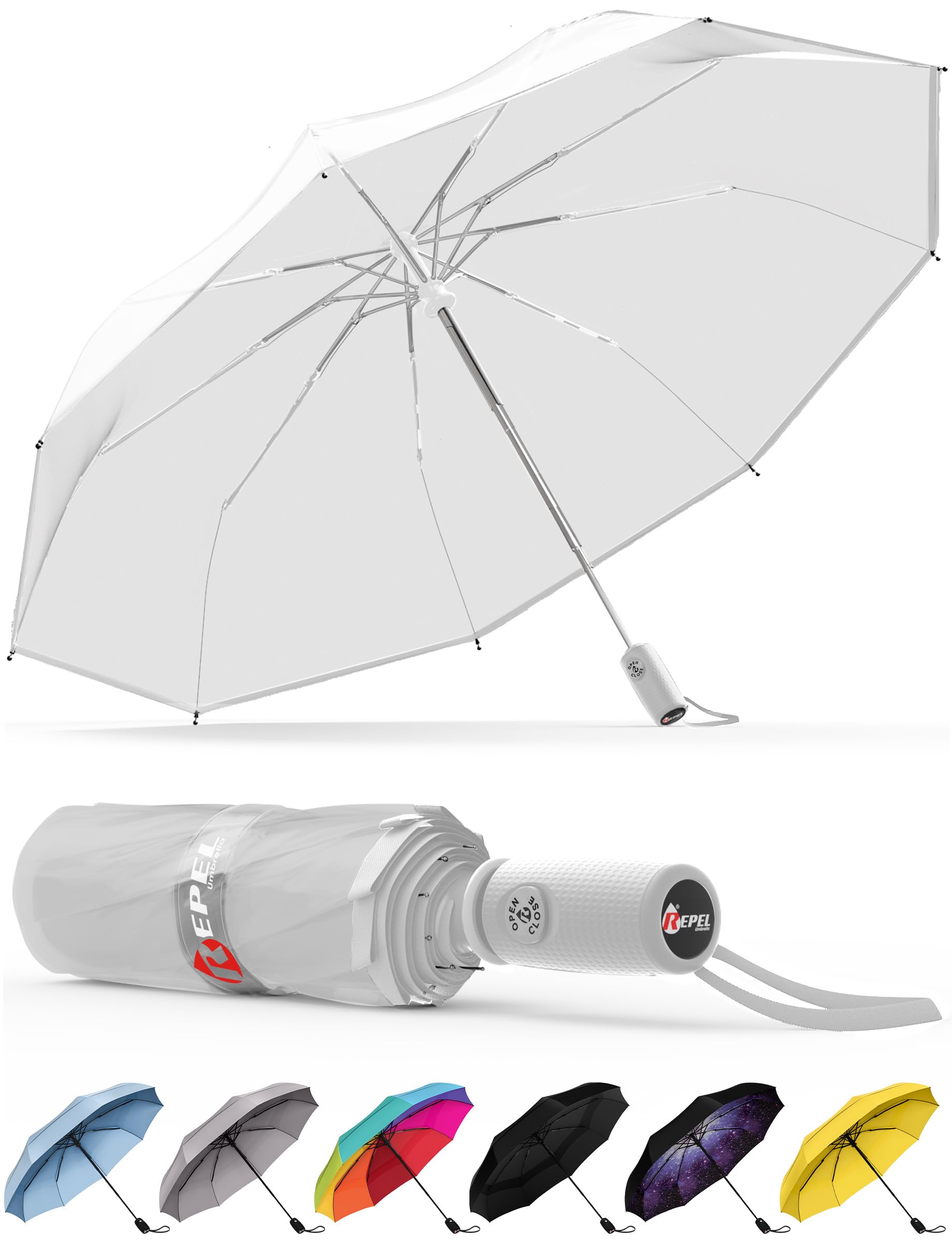
Windproof Travel Umbrella - Compact & Withstands Winds up to 85MPH, Strongest Premium Auto Folding Umbrella for Rain and Sun - Durable, Light & Portable for Women & Men, Fits Backpack & Cars : Clothing, Shoes & Jewelry
View on Amazon
Lonely Planet Nepali Phrasebook & Dictionary 6: O'Rourke, Mary-Jo, Man Shrestha, Bimal, Pradhan, Krishna
Lonely Planet NepaliPhrasebook & Dictionary is <strong>your passport to the most relevant Nepali phrases and vocabulary for all your travel needs</strong>. Know how to organise your mountaineering
Check Price on Amazon- Timing: Most markets open after sunrise and wind down by dusk. Arrive 7–9 a.m. for produce and calm lanes; evenings suit souvenir browsing. Festival periods—Dashain, Tihar, Teej, Rato Machhindranath, and Bhaktapur’s Bisket Jatra—bring pop-up stalls and florists by the cartload; streets are joyous but crowded.
- Getting there: Asan and Indra Chowk are a 15–20-minute walk from Thamel; taxis and ride-hail apps can drop you at the perimeter. Patan and Bhaktapur are easy taxi rides; public microbuses run frequently but can be packed. Bhaktapur’s core requires a heritage-area ticket. In Pokhara, Lakeside is walkable; the Old Bazaar is a short taxi hop.
- Money and payments: Cash is king for small vendors. Carry smaller notes (NPR 100–500); ATMs cluster in tourist areas. Larger craft houses may accept cards; confirm fees.
- Bargaining: Polite negotiation is expected for non-food items. Start 20–30% below the first quote and meet in the middle. Keep the exchange good-humored; a smile goes further than brinkmanship.
- Useful Nepali phrases:
- “Kati parchha?” (How much is it?)
- “Ali sasto hunchha?” (Can it be a bit cheaper?)
- “Arko dekhāunuhos.” (Please show another.)
- “Sācho pashmina ho?” (Is it real pashmina?)
- “Dhan’yabād.” (Thank you.)
- Quality checks: For textiles, examine stitching and edges; for metalware, look for smooth joins and a balanced weight; for thangkas/paubhas, avoid cracked paint or glossy printed imitations. Always ask for receipts, and for ritual objects or paintings, request documentation.
- Shipping and packing: Many shops can arrange DHL/EMS shipping; confirm insurance and delivery time. If carrying, cushion metal and ceramics with clothing, and request bubble wrap.
- Weather and dress: Lanes can be dusty; comfortable closed shoes beat sandals. A light scarf helps in sun or smog. Monsoon shoppers should bring a compact umbrella and patience—showers can pass quickly.
To sync shopping with Nepal’s festive calendar and special market days, see Festival Trail Nepal: How to Experience Nepal’s Rich Cultural Celebrations.
Culture and Responsible Shopping
Markets here are social theaters as much as supply chains. A respectful approach keeps them vibrant.
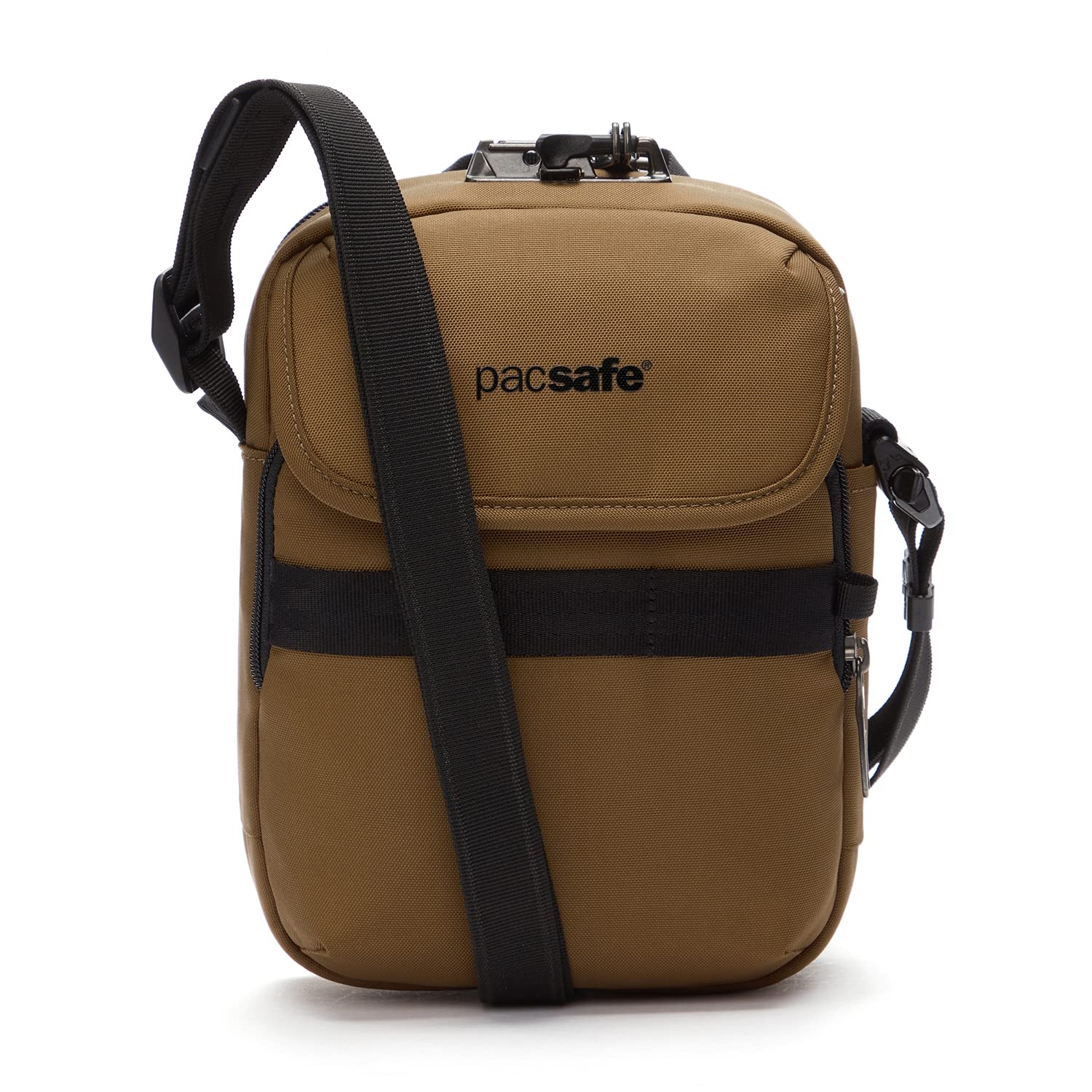
Pacsafe Metrosafe X Anti Theft Compact Crossbody - Fits 8" Tablet, Black : Clothing, Shoes & Jewelry
ANTI-THEFT - 2022 version in Tan colorway, <strong>Interlocking Zippers & Cut Proof Material (lightweight steel mesh) to prevent pickpocketing</strong>. RFID blocking pocket to keep credit cards/I
Check Price on Amazon- Etiquette: Ask before photographing people or inside workshops. Step aside for porters carrying doko baskets; give right of way in temple thresholds. Avoid touching sacred objects unless invited.
- Support artisans fairly: Prefer cooperatives, studio shops, and stalls where makers can explain their process. Paying a fair price sustains craft lineages; aggressive low-balling can undercut livelihoods.
- What to avoid: Do not buy wildlife products (ivory, coral, big-cat skins) or anything labeled “antique” without paperwork. Nepal strictly controls the export of cultural heritage; ritual bronzes and old thangkas often require Department of Archaeology clearance or are non-exportable. Reputable shops will advise.
- Sustainable choices: Favor natural fibers (cashmere, wool, cotton, nettle), plant-based dyes, and locally sourced woods. For paper, ask about FSC or community forestry sourcing of lokta bark.
- Food safety: Choose stalls with brisk turnover, where food is cooked to order and served hot. Peel fruit, opt for boiled or filtered water, and consider skipping ice. Look for clean hands and utensils.
- Accessibility and safety: Old towns mean cobbles, steps, and occasional uneven paving. Watch for motorbikes in narrow alleys and keep valuables close; pickpocketing is rare but possible in crowds. Masks help with dust in dry months.
Finally, pace yourself. Markets here reward lingering—the slow perusal of a weave, the warm heft of a bowl, the way yogurt gathers a sheen on a clay rim. When the afternoon bells toll and marigold sellers begin threading garlands, you’ll understand why the best local markets in Nepal are less a checklist than a state of mind—one of patience, conversation, and the quiet joy of bringing home something made with care.
Recommended Travel Gear
Lonely Planet Nepali Phrasebook & Dictionary 6: O'Rourke, Mary-Jo, Man Shrestha, Bimal, Pradhan, Krishna
Lonely Planet NepaliPhrasebook & Dictionary is <strong>your passport to the most relevant Nepali phrases and vocabulary for all your travel needs</strong>. Know how to organise your mountaineering
Pacsafe Metrosafe X Anti Theft Compact Crossbody - Fits 8" Tablet, Black : Clothing, Shoes & Jewelry
ANTI-THEFT - 2022 version in Tan colorway, <strong>Interlocking Zippers & Cut Proof Material (lightweight steel mesh) to prevent pickpocketing</strong>. RFID blocking pocket to keep credit cards/I
Windproof Travel Umbrella - Compact & Withstands Winds up to 85MPH, Strongest Premium Auto Folding Umbrella for Rain and Sun - Durable, Light & Portable for Women & Men, Fits Backpack & Cars : Clothing, Shoes & Jewelry
AWARD-WINNING WINDPROOF DESIGN: <strong>Engineered to outperform ordinary umbrellas, this compact folding umbrella withstands extreme conditions with reinforced fiberglass ribs, a vented canopy, and s