
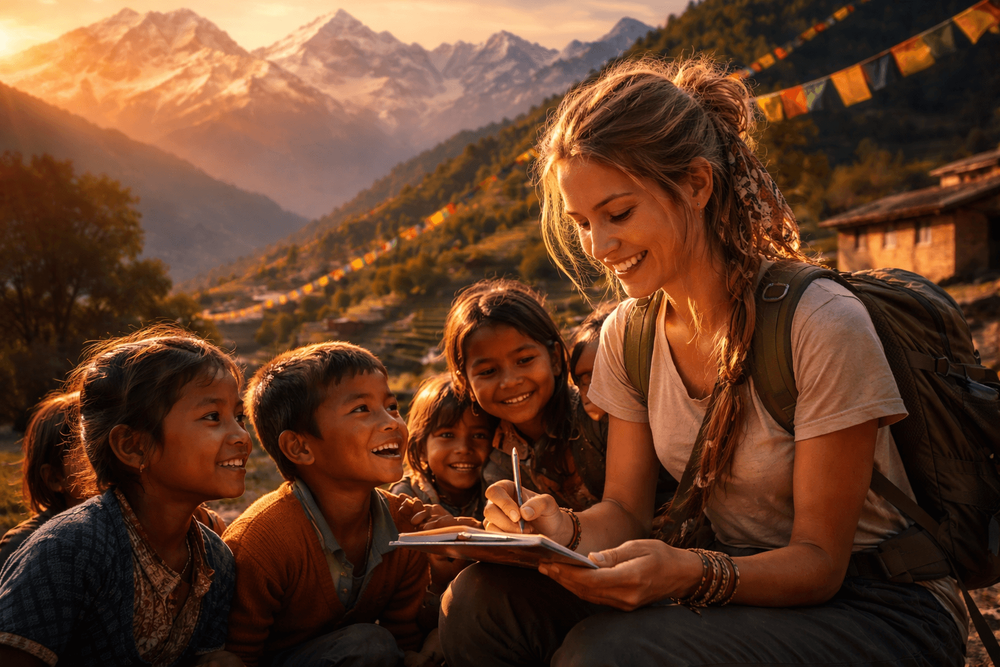
Volunteering in Nepal: A Practical Guide to Responsible, Impactful Service Travel
Plan ethical, effective volunteering in Nepal with vetted programs, practical logistics, and impact-first advice—so your service supports communities long after you fly home.
Mood
Purposeful Journey
At first light in Kathmandu, prayer wheels hum and incense scrolls through the alleys of Patan as minibuses cough awake for the road to the hills. Daypacks thump against wooden benches; a bundle of textbooks slides into a volunteer’s lap; a box of saplings is wedged beneath the driver’s seat. This is the beginning for many who imagine volunteering while traveling in Nepal: equal parts romance and reality, where the work is humble, the needs complex, and the rewards arrive quietly—often in Nepali tea cups and long, unhurried conversations.
Volunteering While Traveling in Nepal: Types of Work and Realistic Outcomes
Volunteering while traveling in Nepal spans classrooms and clinics, farms and forests, city wards and mountain paths. The most effective roles are those that match clear skills to community priorities, and that measure success by what remains after a volunteer boards a flight home.
Teaching and Education Support
- What it looks like: Assisting local teachers with English, science, or IT; running library hours; developing lesson plans; training in classroom management or inclusive education. In urban schools, volunteers may help reinforce phonics or basic computing. In hill villages, the focus might be reading circles and resource creation.
- Skills and timeframes: Educators and TEFL-certified travelers are especially useful. Without training, volunteers can still support literacy programs by creating materials and organizing libraries. Expect to spend 3–12 weeks to achieve something concrete—like a set of reusable lesson plans, a cataloged library, or a teacher workshop.
- Realistic outcomes: Improved resources and teacher capacity rather than short-term spikes in student test scores. Sustainable wins include co-created curricula and training-of-trainers sessions.
Healthcare and Public Health
- What it looks like: Supporting local clinics with triage, health education, maternal-health workshops, or data systems. Public-health students may help with sanitation campaigns, nutrition mapping, or water-quality testing.
- Skills and timeframes: Qualified clinicians (with host-country permissions) and public-health professionals are most impactful. For students and non-clinicians, community health education under local supervision is appropriate. Minimum 4–8 weeks helps avoid burdening staff and allows follow-up.
- Realistic outcomes: Strengthened record-keeping, better patient flow, or community health talks co-led with local workers. Avoid clinical procedures unless credentialed and authorized.
Community Development and Enterprise
- What it looks like: Business-skills mentoring for co-ops, women’s groups, or youth enterprises; support with bookkeeping, branding, or digital literacy; helping local governments with mapping community assets.
- Skills and timeframes: Finance, marketing, design, or IT backgrounds help. Two to eight weeks can yield a branded product line, a simple e-commerce page, or a bookkeeping template—if paired with ongoing local oversight.
- Realistic outcomes: Capacity building—templates, training manuals, and linkages to markets—rather than rapid revenue jumps.
Conservation and Wildlife
- What it looks like: Reforestation drives, invasive-species removal, camera-trap maintenance, and biodiversity monitoring alongside park rangers or community forests near Chitwan, Bardia, or mid-hill watersheds.
- Skills and timeframes: Ecology students and experienced hikers are ideal. Two to six weeks can support data collection across seasons; patience and adherence to protocols matter more than fitness alone.
- Realistic outcomes: Verified data sets, seedling survival monitoring, and strengthened local stewardship—small, steady contributions to long-term projects.
Trekking Trail Support and Disaster Resilience
- What it looks like: Post-monsoon trail assessments, signage audits, first-aid trainings for lodge owners, or waste-management initiatives on popular routes like the Annapurna Circuit and Langtang.
- Skills and timeframes: Trekking experience, first aid, GIS mapping, or communications savvy are valuable. Two to four weeks can help produce hazard maps, emergency contact posters, or lodge waste-audit reports.
- Realistic outcomes: Safer trails, better information flow, and community-owned plans for next season.
How to Choose and Vet Organizations
The most reputable NGOs and social enterprises in Nepal are led by—or deeply entwined with—local communities. They publish where funds go, welcome scrutiny, and recognize that volunteers should augment, not replace, Nepali jobs.
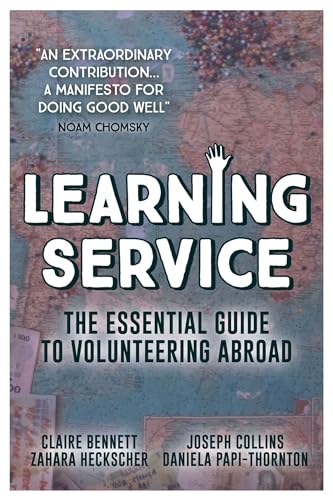
Learning Service: The essential guide to volunteering abroad: Bennett, Claire, Collins, Joseph, Heckscher, Zahara, Papi-Thornton, Daniela
by Claire Bennett (Author), Joseph Collins (Author), Zahara Heckscher (Author), Daniela Papi-Thornton (Author) & 1 more ... Want to help? First you must be willing to learn. This year, over ten mi
Check Price on Amazon- Governance and registration: Look for organizations registered in Nepal and, if applicable, affiliated with the Social Welfare Council (SWC). Ask for a copy of registration certificates and the latest annual report.
- Financial transparency: Clear budgets, fee breakdowns, and project costs are non-negotiable. A program should explain how your fees support staff salaries, materials, training, and monitoring.
- Defined roles and supervision: You should receive a role description, pre-departure training, and named local supervisors. Vague promises—“help wherever needed”—often signal poor planning.
- Safeguarding and ethics: Robust child-protection policies and background checks are essential when working near minors. Organizations should prohibit “orphanage tourism”—a harmful model linked to family separation and exploitation.
- Impact evidence: Request outcome indicators, baseline data, and examples of previous volunteer contributions. Ask how the community evaluates success.
- Fair fees: High placement fees with little local benefit are a red flag. If a large proportion of your payment goes to overseas marketing, reconsider.
- Local partnerships: Prioritize projects co-created with ward offices, schools, health posts, or community forest user groups. Local ownership ensures continuity when you leave.
Due diligence tips:
- Speak to past volunteers and, crucially, local counterparts.
- Search for independent evaluations or media mentions.
- Verify the address, staff list, and project sites; be wary of P.O. boxes only.
- Ask how many local staff are employed year-round and what training they receive.
- If an organization hesitates to share documents—or pressures you to commit quickly—step back.
For foundational planning and cultural context before committing, see Top Travel Tips for Nepal for practical orientation on safety, seasons, and on-the-ground expectations. Top Travel Tips for Nepal: Practical, Safe, and Responsible Advice for First-Time Visitors
Practical Logistics and Preparations
Thoughtful preparation is part of responsible service. It protects you, your hosts, and the integrity of the work.
Visas, Permits, and Arrival
- Visas: Many nationalities can obtain tourist visas on arrival (15/30/90 days), extendable in Kathmandu or Pokhara. However, structured volunteering often requires specific authorization arranged through the host organization; ask your partner to clarify legal requirements and sponsorship well in advance.
- Registration: Reputable hosts will brief you on any local registrations or letters needed for clinics, schools, or municipal projects.
- Arrival flow: Most arrivals transit Tribhuvan International Airport (KTM). Plan 2–3 nights in the Valley to acclimate, attend orientations, and gather supplies.
Getting Around
- Transport to placements: Expect a mix of domestic flights (Pokhara, Nepalgunj, Bharatpur), tourist buses on main corridors, and hired jeeps for remote hills. Monsoon rains (June–September) can disrupt roads; in winter, high passes may close.
- Local transport: Microbuses, tempos, and rideshares connect neighborhoods. Always ask hosts which routes are safest at night.
Health, Vaccines, and Insurance
- Vaccinations: Consult a travel clinic 6–8 weeks before departure about routine immunizations and region-specific guidance. Many volunteers also consider hepatitis A/B, typhoid, and rabies depending on activities and locations.
- Altitude and air: If your work involves trekking areas, ascend slowly and know the symptoms of altitude illness. Kathmandu’s air quality can be poor—bring masks if sensitive.
- Water and food: Use a filtered bottle or purification system; eat thoroughly cooked foods until you understand local options.
- Insurance: Purchase travel insurance with medical evacuation and coverage for volunteer activities. Share policy numbers and emergency contacts with your hosts.

GRAYL GeoPress 24 oz Water Purifier Bottle - Filter for Hiking, Camping, Survival, Travel (Bali Blue)
View on AmazonCosts and Money Matters
- Program fees: Transparent, community-led programs might range from US$150–US$600 per week, often including housing and meals; specialized clinical or research placements may cost more. Extremely high “administration” fees with little local line-item detail warrant scrutiny.
- Daily spending: In cities, budget US$15–US$40 per day for meals, transport, and incidentals if accommodation is provided. Long-term stays benefit from local markets and can be surprisingly affordable; for broader budgeting context, see Nepal on a Shoestring: Essential Budget Travel Tips.
- Connectivity: Local SIM cards (Ncell, Nepal Telecom) are easy to obtain with a passport photo; data is inexpensive but can be patchy in the hills.
Accommodation and Food
- Standards: Volunteer housing ranges from family homestays to simple dorms near project sites. Expect intermittent hot water, squat toilets in rural areas, and power cuts buffered by inverters or solar.
- Diet: Dal bhat—lentils, rice, vegetable curries—fuels the country. Vegetarian options are abundant; inform hosts of allergies well in advance.
For a soft landing in Kathmandu before heading out, The Traditional Comfort (booking-url) balances Nepali craft design with quiet, well-insulated rooms—ideal for recovering from jet lag and attending orientations. Volunteers transiting through Pokhara often decompress at Temple Tree Resort & Spa (booking-url), where garden paths and a modest pool offer a welcome breather before bus rides into the middle hills. If your program brings you to Patan, the Baber Mahal Vilas (booking-url) occupies a restored Rana-era complex whose courtyards and carved woodwork pair character with reliable hot showers.
For those who prefer to align lodging with sustainability commitments, browse our curated stays in Stay Green in the Himalayas: A Traveler’s Guide to Eco‑Friendly Hotels in Nepal.
Packing and Language Basics
- Essentials: Sturdy shoes, a headlamp, quick-dry layers, a light sleeping bag liner, a compact first-aid kit, power adapter (Type C/D/M, 230V), reusable bottle with filter, sunscreen, modest clothing that covers shoulders and knees for village settings.
- Helpful extras: Laminated lesson plans, offline maps, a small speaker for trainings, and printed Nepali-English visual aids.
- Language: Learn greetings and courtesies. “Namaste” (hello), “Dhanyabad” (thank you), “Kripaya” (please), and “Khana mitho cha” (the food is delicious) go a long way. Ask your host for context-specific vocabulary.
![Ceptics India Travel Plug Adapter (Type D) for Pakistan, Nepal, Bangladesh - 3 Pack [Grounded & Universal] (GP-10-3PK) : Electronics](https://m.media-amazon.com/images/I/51cCZNUZUYL.jpg)
Ceptics India Travel Plug Adapter (Type D) for Pakistan, Nepal, Bangladesh - 3 Pack [Grounded & Universal] (GP-10-3PK) : Electronics
View on AmazonResponsible, Ethical Practices and Community Impact
The heart of ethical volunteering is humility and partnership. The work succeeds when it centers local knowledge and builds something others can carry forward.
- Cultural etiquette: Dress modestly in villages; remove shoes before entering homes and temples; accept tea when offered—it’s hospitality as dialogue. Ask before photographing people; always seek guardian consent for images of children.
- Power dynamics: Volunteers often possess perceived privilege—education, mobility, cash. Acknowledge it. In meetings, listen first; in trainings, co-facilitate with local staff; in budgets, prioritize local wages and vendors.
- Do no harm: Avoid roles that displace paid local labor. Decline assignments for which you’re unqualified (for example, clinical tasks without credentials). Never volunteer in orphanages or residential care institutions.
- Sustainability best practices: Orient projects toward materials that can be repaired or replaced locally. Train counterparts, document processes, and store resources in shared, labeled folders or binders.
- Waste and water: Favor refill stations over plastic bottles; pilot composting only if a reliable system exists. Teach by doing.
- Exit strategies: Before you leave, ensure passwords are handed over, materials are translated, and responsibilities are mapped to specific people by name and date.
- Measuring and reporting: Keep a simple logbook of activities and outcomes; co-create at least one indicator the community cares about (e.g., “20 teachers trained with follow-up classroom observation in four weeks”). Share a short handover report in both English and Nepali if possible.
Many placements are beyond the usual tourist corridors—and that’s part of the appeal. If your interests extend to lesser-known regions after your service, our guide to remote valleys and hidden treks can help you explore respectfully: Nepal Off the Beaten Path: Remote Valleys, Hidden Treks & Authentic Encounters.
Safety, Personal Wellbeing, and Post-Trip Continuity
Sustainable service begins with taking care of the person doing the serving. Nepal is welcoming, but the terrain, altitude, and urban intensity can be demanding.
- Personal safety: Road conditions vary; avoid overnight buses where possible. Keep valuables discreet; carry a photocopy of your passport when out and about. In the field, clarify radio or phone coverage and establish a daily check-in.
- Health on assignment: Hydrate, build rest days into your work plan, and watch for signs of burnout. If air quality in Kathmandu bothers you, use a particulate mask and take green-space breaks.
- Gender-aware planning: Women travelers regularly volunteer across Nepal; dress codes and transport choices can help minimize unwanted attention. See our tailored insights for navigating solo in-country: Nepal for Solo Travelers: Best Destinations, Safety Tips, and Practical Planning.
- Emergency planning: Share your itinerary and local contacts with someone at home. Know the nearest clinic or hospital and the evacuation plan if you’re working in the hills.
- Mental-health readiness: Service work can surface difficult stories. Build boundaries—set “office hours,” debrief with supervisors, and schedule screen-free evenings.
- Post-trip continuity: The most meaningful chapters may begin after you leave. Stay in touch with counterparts; offer remote mentoring or pro bono design hours; fundraise for tools identified by the community. Continue to purchase from local cooperatives and amplify their work with consent. When sharing stories and photos, credit local partners and protect privacy.
When to Go—and What to Expect
- Best seasons: Autumn (October–November) and spring (March–April) bring crisp skies and reliable transport—ideal for both urban placements and hill projects. Winter is clear but cold in the highlands; the monsoon paints valleys electric green, but travel slows.
- Expectations: Progress may feel unhurried. Meetings move at tea-speed, translation takes time, and roads demand patience. That pace is not a flaw—it’s the rhythm of work that lasts.
The promise of volunteering while traveling in Nepal is not in dramatic before-and-after photos. It’s in the way a library label helps a child find her next book, in the clinic’s new patient flow that shortens a grandmother’s wait, in seedlings that rise—quietly—months after you’ve gone. Leave behind tools, not footprints of dependency; leave with a pocketful of names, invitations to return, and the knowledge that you were one small note in a longer, local song.
Recommended Travel Gear
Learning Service: The essential guide to volunteering abroad: Bennett, Claire, Collins, Joseph, Heckscher, Zahara, Papi-Thornton, Daniela
by Claire Bennett (Author), Joseph Collins (Author), Zahara Heckscher (Author), Daniela Papi-Thornton (Author) & 1 more ... Want to help? First you must be willing to learn. This year, over ten mi
GRAYL GeoPress 24 oz Water Purifier Bottle - Filter for Hiking, Camping, Survival, Travel (Bali Blue)
Versatile, fast, and ridiculously easy to use — the 24oz GeoPress Water Filter & Purifier Bottle <strong>requires zero setup, no sucking or squeezing, and makes 24 fl oz (710 ml) of clean purified
Ceptics India Travel Plug Adapter (Type D) for Pakistan, Nepal, Bangladesh - 3 Pack [Grounded & Universal] (GP-10-3PK) : Electronics
Ceptics India, Nepal, Bangladesh Travel Adapter Plug with Dual USB - Type D - Usa Input - <strong>Ultra Compact - Safe Grounded Perfect for Cell Phones, Laptops, Camera (CTU-10)</strong>